


Walk-In Chiller Solutions for Buffet and All-Day Dining Concepts
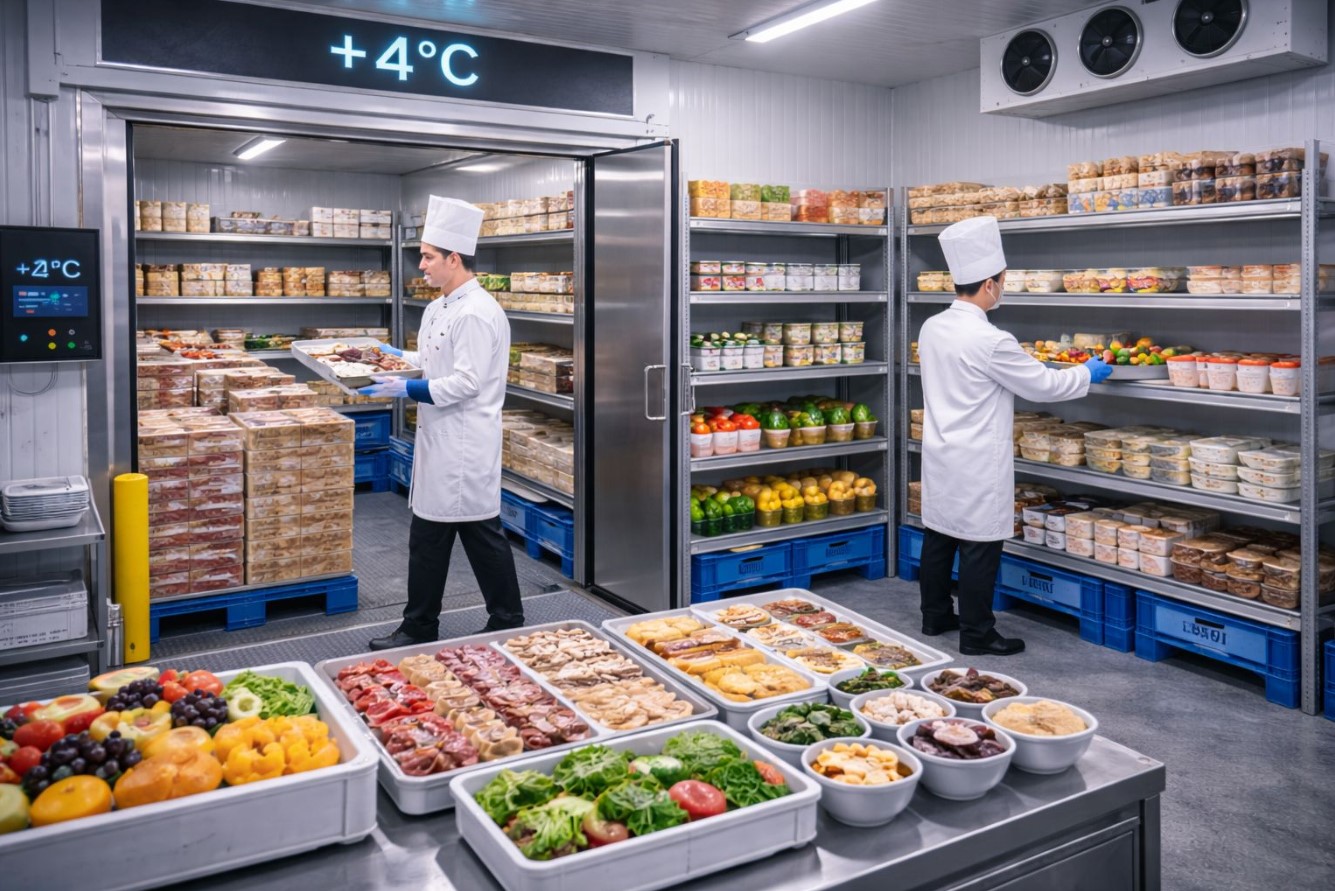
Buffet restaurants and all-day dining venues operate under constant operational pressure. Unlike conventional kitchens that prepare meals for limited service windows, buffet environments require continuous replenishment, strict temperature control, and consistent food quality throughout the day.
In these high-demand settings, a walk-in chiller is more than a storage facility. It becomes a critical operational asset that supports workflow efficiency, food safety compliance, and uninterrupted service performance.
For hotels, resorts, banquet kitchens, and large-scale dining establishments, professionally designed cold room systems and walk-in chillers help reduce downtime, improve replenishment speed, and maintain ingredient freshness during peak service periods.
Why Buffet and All-Day Dining Operations Need Specialised Walk-In Chillers
Buffet kitchens experience significantly higher cold room traffic compared to standard restaurants. Staff frequently enter and exit chillers to replenish serving stations, retrieve prepared ingredients, and manage inventory rotation across multiple meal periods.
Without a properly engineered refrigeration system, frequent door openings and fluctuating storage loads can lead to unstable internal temperatures, higher energy consumption, and increased food spoilage risks.
To maintain stable operating conditions, walk-in chillers for buffet operations are typically designed with:
- High-capacity refrigeration systems for rapid temperature recovery
- Heavy-duty insulation panels to minimise thermal exchange
- Strategically positioned evaporators for consistent airflow distribution
- Durable doors designed for repeated operational use
For example, a hotel buffet serving several hundred guests per seating may require ingredient replenishment every few minutes during breakfast and dinner peaks. In these environments, refrigeration systems must maintain safe storage temperatures continuously, even during intensive usage cycles.
Optimising Walk-In Chiller Layouts for Faster Replenishment
In buffet operations, kitchen workflow efficiency directly affects service speed and guest experience. Poorly organised cold rooms can slow replenishment, create congestion, and increase staff fatigue during peak periods.
An operationally efficient walk-in chiller layout helps kitchen teams retrieve ingredients quickly while reducing unnecessary door opening times.
Zoned Storage Improves Workflow Efficiency
Separating storage areas by category allows staff to locate products faster and maintain better inventory control.
Typical storage zones include:
- Raw proteins
- Dairy products
- Vegetables
- Sauces and condiments
- Prepared buffet components
- Ready-to-serve replenishment items
This also supports better hygiene management and reduces cross-contamination risks.
Dedicated Replenishment Zones Reduce Downtime
Frequently used ingredients should be positioned near entry points for quick access.
By reducing retrieval times, kitchens can minimise cold air loss and maintain more stable internal temperatures throughout service periods.
Dual-Access Cold Room Designs Improve Kitchen Flow
Large hotel kitchens and banquet facilities often benefit from dual-access walk-in chillers. One access point can face the preparation zone, while another connects directly to service areas.
This design helps prevent operational bottlenecks while improving staff movement efficiency during busy meal periods.
Maintaining Stable Temperatures During Frequent Access
One of the biggest operational challenges in buffet environments is temperature fluctuation caused by repeated door openings.
Each time a chiller door opens, warm air enters the cold room while chilled air escapes. Without proper system design, this can compromise food safety and increase compressor strain.
To minimise temperature instability, modern walk-in chillers commonly include:
- Rapid-closing insulated doors
- PVC strip curtains or air curtains
- High-speed refrigeration recovery systems
- Smart temperature monitoring systems
- Automated alarm alerts for deviations
These features help maintain safe storage conditions even during heavy operational use.
Stable temperature control is especially important for hotels and hospitality operators managing large quantities of perishable ingredients throughout the day.
Designing Cold Rooms for Continuous Operations
Unlike traditional restaurants that pause between service periods, all-day dining concepts often operate from early morning until late at night. Their refrigeration systems must therefore support near-continuous use without compromising reliability.
Durable Construction Materials
Heavy-duty wall panels, anti-slip flooring, and corrosion-resistant finishes help cold rooms withstand:
- Continuous foot traffic
- Trolley movement
- Frequent cleaning routines
- Humid kitchen environments
Condensation and Humidity Control
Poor humidity management can lead to condensation buildup, slippery floors, and product deterioration.
Proper ventilation and moisture control systems help maintain safer and more stable operating conditions within the cold room environment.
Redundant Refrigeration Systems
For high-volume hospitality operations, refrigeration downtime can cause major operational disruptions.
Some facilities install:
- Backup compressors
- Dual refrigeration circuits
- Emergency power integration
These measures help maintain uninterrupted cooling performance during equipment faults or power interruptions.
Supporting Food Safety Compliance in Buffet Kitchens
Food safety compliance remains a major operational priority for buffet and all-day dining establishments.
Walk-in chillers used in commercial kitchens must consistently maintain chilled storage temperatures between 0°C and 4°C to protect ingredient quality and reduce bacterial growth risks.
Key Features That Support Compliance
Professionally designed cold rooms often include:
- Digital temperature logging systems
- Real-time monitoring and alerts
- Easy-to-clean hygienic surfaces
- Clearly segregated storage zones
- Food-safe shelving systems
These systems support compliance with SFA food safety requirements while simplifying inspection and audit processes.
For hospitality operators, strong cold storage management also helps protect brand reputation and reduce the risk of food safety incidents.
Scalable Walk-In Chiller Designs for Growing Operations
Buffet concepts frequently evolve over time. Hotels and restaurants may expand seating capacity, introduce new menu stations, or increase event catering operations.
A rigid cold room design can make future expansion costly and disruptive.
Modular Cold Room Systems Provide Greater Flexibility
Scalable walk-in chiller solutions may include:
- Modular insulation panel systems
- Expandable refrigeration capacity
- Adjustable shelving layouts
- Pre-installed electrical provisions
This allows businesses to adapt their cold storage infrastructure as operational requirements grow.
For example, a resort that later introduces seafood stations or live cooking counters can expand storage capacity without completely rebuilding its existing cold room.
Improving Staff Productivity Through Better Cold Room Design
Cold room performance is not only about refrigeration efficiency. Layout design also affects staff productivity and operational speed.
Poorly designed storage spaces can slow replenishment processes, increase physical strain, and create workflow congestion during busy service periods.
Productivity-focused features include:
- Wide aisles for trolley access
- Clearly labelled storage zones
- Bright internal lighting
- Ergonomic door systems
- Efficient shelving layouts
These improvements help kitchen teams work faster and more safely during peak service periods.
Why Walk-In Chillers Are a Strategic Investment for Hospitality Operators
For buffet restaurants, hotels, and all-day dining venues, walk-in chillers play a direct role in operational continuity and customer satisfaction.
A professionally designed cold room supports:
- Faster replenishment during service
- Better ingredient freshness
- Improved food safety compliance
- Reduced refrigeration strain
- Lower long-term operational costs
More importantly, reliable cold storage infrastructure helps businesses maintain consistent service standards during demanding operational periods.
Conclusion
Buffet and all-day dining operations require refrigeration systems that can handle constant access, rapid stock rotation, and strict food safety demands.
Well-designed walk-in chillers provide the stability, accessibility, and durability needed to support high-volume hospitality environments.
By combining efficient layouts, reliable refrigeration systems, and scalable construction methods, businesses can improve kitchen workflow, maintain food quality, and reduce operational risks over the long term.
For hospitality operators managing demanding dining environments, investing in the right walk-in chiller solution is ultimately an investment in operational reliability, food safety, and consistent guest experience.
FAQs
1. What temperature should a walk-in chiller maintain for buffet operations?
Walk-in chillers used in buffet kitchens should generally maintain temperatures between 0°C and 4°C to ensure food safety and ingredient freshness.
2. Why are walk-in chillers important for buffet restaurants?
Buffet restaurants require constant replenishment throughout service periods. Walk-in chillers help maintain ingredient freshness, improve replenishment speed, and support food safety compliance during high-volume operations.
3. How can buffet kitchens reduce temperature fluctuations in cold rooms?
Temperature fluctuations can be reduced through rapid-closing doors, strip curtains, proper insulation, high-capacity refrigeration systems, and smart monitoring technology.
4. What is the best walk-in chiller layout for hotel buffet kitchens?
The most effective layouts typically include zoned storage sections, dedicated replenishment areas, and wide aisles that support efficient staff movement and faster ingredient retrieval.
5. Can walk-in chillers be expanded later?
Yes. Modular cold room systems allow businesses to expand storage capacity, adjust shelving layouts, and upgrade refrigeration systems as operational needs grow.
6. How do walk-in chillers improve kitchen efficiency?
Efficient cold room designs reduce retrieval times, minimise congestion, improve workflow organisation, and help kitchen staff replenish buffet stations more quickly during peak periods.