


Cold Room Storage Planning for Time-Definite Delivery Networks
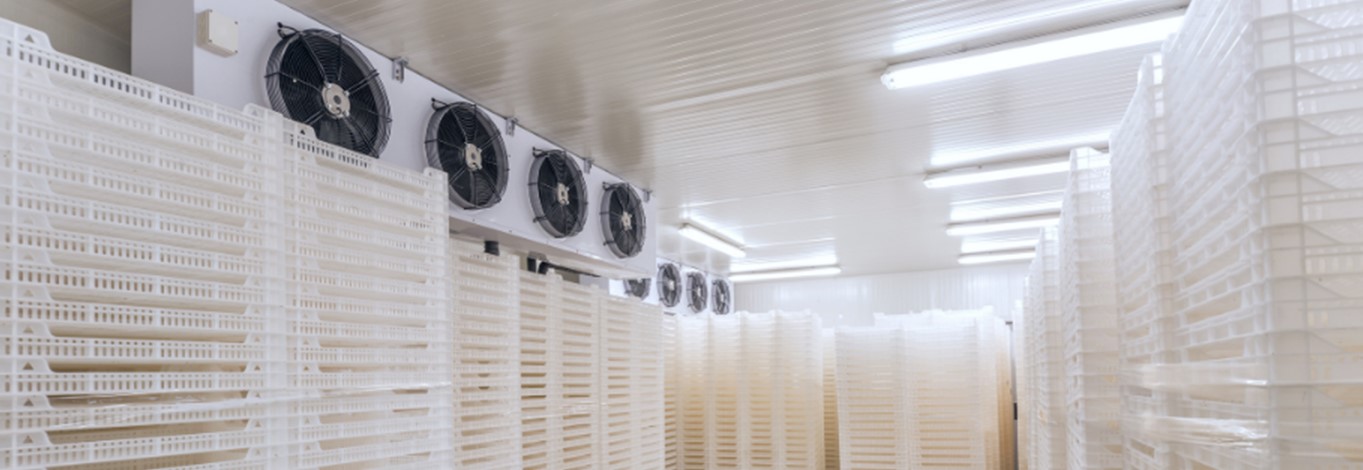
Time-definite delivery networks operate on precision. Whether handling pharmaceuticals, fresh produce, frozen foods, or temperature-sensitive industrial goods, these logistics systems promise customers that shipments will arrive within fixed delivery windows, sometimes down to the hour.
To meet these guarantees consistently, cold storage infrastructure must be engineered not only for refrigeration performance, but also for speed, workflow efficiency, and dispatch accuracy.
Cold room storage planning therefore becomes a strategic part of logistics infrastructure rather than a simple storage requirement. For companies operating time-critical distribution networks, properly designed cold rooms directly influence delivery reliability, compliance performance, and operational profitability.
In Singapore’s fast-moving logistics environment, cold room efficiency plays a major role in supporting same-day delivery, pharmaceutical distribution, and temperature-controlled supply chain operations.
Why Time-Definite Logistics Requires Specialised Cold Room Planning
Unlike traditional warehousing operations, time-definite logistics networks cannot afford delays caused by inefficient storage layouts or slow retrieval processes. Products often move through facilities within hours rather than days, turning cold rooms into high-throughput operational hubs rather than passive storage areas.
Cold storage systems supporting time-definite delivery networks must therefore accommodate:
- Rapid intake and dispatch cycles
- Minimal product dwell time
- Accurate shipment sequencing
- Fast staging and retrieval workflows
- Continuous operational movement
Without these capabilities, even small bottlenecks inside a cold room can result in missed dispatch cutoffs, delayed deliveries, and increased operational costs.
Supporting Strict Delivery Time Windows
Meeting guaranteed delivery schedules requires close coordination between warehouse workflows, transportation systems, and cold room operations.
Temperature-sensitive goods often arrive from suppliers, remain in short-term holding areas, and move immediately into outbound vehicles. Cold room layouts must therefore support uninterrupted product flow.
Strategic Door Placement
Cold room doors should align directly with receiving bays and loading docks to reduce unnecessary travel distances inside the facility.
Benefits include:
- Faster product movement
- Reduced handling time
- Lower exposure to ambient temperatures
- Improved dispatch efficiency
Dedicated Inbound and Outbound Lanes
Separating inbound and outbound movement paths reduces congestion during busy loading periods.
This is especially important during:
- Early morning dispatch waves
- Same-day delivery cycles
- Peak supermarket distribution periods
- Pharmaceutical shipment processing
Clearly Defined Staging Zones
Cold rooms designed for time-definite logistics typically include marked staging areas assigned to specific delivery routes or departure schedules.
Example
A regional grocery distribution hub handling same-day supermarket deliveries implemented dedicated staging zones for each dispatch wave.
This layout allowed staff to pre-stage orders efficiently, reducing loading delays and improving outbound delivery accuracy during peak operations.
Minimising Staging Time in Cold Room Storage
In time-critical logistics environments, products should spend as little time as possible inside storage areas. Longer dwell times increase the risk of inefficiencies, temperature instability, and handling errors.
Cold room planning should therefore prioritise rapid throughput over maximum storage density.
High-Density Racking Near Dispatch Areas
Fast-moving inventory should be positioned close to loading exits to reduce retrieval time and minimise forklift travel distances.
This improves:
- Picking speed
- Labour efficiency
- Dispatch turnaround times
Dynamic Slotting Systems
Dynamic slotting allows inventory locations to be adjusted according to shipping schedules and dispatch priorities.
Frequently dispatched items remain easily accessible, reducing unnecessary handling.
Automated Tracking and Labelling
Barcode and RFID systems allow warehouse teams to identify shipments quickly without manual verification delays.
Integrated tracking systems also improve inventory accuracy and reduce the risk of incorrect dispatches in fast-paced logistics environments.
Example
A pharmaceutical distributor supporting next-day hospital deliveries reorganised storage locations according to dispatch urgency rather than product category.
This reduced retrieval time for urgent medical shipments while improving operational efficiency during peak order periods.
Layout Planning for Dispatch Accuracy
In time-definite logistics, accuracy is equally as important as speed. Incorrect shipments or loading errors may result in missed delivery commitments, product loss, or regulatory complications.
Cold room layouts can significantly reduce these risks through structured workflow design.
Clearly Segmented Staging Bays
Each vehicle route or dispatch cycle should have a designated staging zone to prevent shipment mixing and loading confusion.
Colour-Coded and Labelled Zones
Visual identifiers such as coloured floor markings, shelving labels, and route indicators help staff distinguish shipments quickly during busy loading periods.
Wide Aisles for Simultaneous Picking
Adequate aisle spacing allows multiple workers and forklifts to move efficiently without congestion.
This improves:
- Picking speed
- Workplace safety
- Dispatch coordination
Example
Courier-style cold chain facilities handling temperature-sensitive parcels often organise staging areas by departure time instead of geographic destination.
This approach ensures earlier dispatches remain closest to loading docks, improving turnaround speed and delivery reliability.
Managing Temperature Stability During Rapid Operations
Frequent door openings and constant operational movement can destabilise cold room temperatures if the facility is not designed for high-traffic logistics environments.
Maintaining stable storage conditions remains essential for protecting product quality and regulatory compliance.
Effective Temperature Control Features
- Rapid-closing insulated doors
- Air curtains to reduce warm air infiltration
- High-performance evaporators for faster temperature recovery
- Insulated dock interfaces for sealed loading operations
These systems help maintain stable internal temperatures even when loading docks operate continuously throughout the day.
Well-designed airflow systems also reduce refrigeration strain and improve energy efficiency during high-volume dispatch cycles.
Case Example: Express Cold Chain Logistics Hub
An express cold chain provider serving healthcare clinics required guaranteed delivery within strict time windows across multiple cities.
Its original cold storage facility was designed for static warehousing, leading to congestion, slower retrieval times, and dispatch bottlenecks.
After redesigning the operation, the company implemented:
- Dual-zone cold rooms for inbound and outbound products
- Pre-assigned staging lanes for delivery routes
- Digital dispatch displays showing loading priorities
- Fast-access storage areas for urgent shipments
The redesigned layout improved dispatch speed, reduced handling errors, and strengthened compliance reporting without requiring additional warehouse space.
Durability and Reliability for Continuous Operations
Time-definite logistics facilities often operate continuously, placing significant strain on cold room structures and refrigeration systems.
Industrial cold room systems must therefore prioritise long-term durability and operational reliability.
Important Construction Features
- Reinforced insulated wall panels
- Anti-slip flooring systems for worker safety
- Heavy-duty door hardware designed for high-cycle usage
- Redundant refrigeration systems for operational continuity
Durable materials help reduce maintenance downtime while supporting uninterrupted logistics operations.
Integrating Technology for Precision Logistics
Modern cold room systems increasingly rely on automation and smart monitoring tools to improve logistics visibility and operational accuracy.
Integrated systems may include:
- Real-time inventory tracking
- Automated temperature monitoring
- Scan verification for shipment loading
- Dwell time tracking systems
- Automated compliance reporting
When integrated with warehouse management systems, these technologies help operators maintain better control over product movement and environmental conditions.
This level of visibility is particularly valuable for pharmaceutical and food logistics providers that require strict traceability and compliance documentation.
Energy Efficiency in High-Throughput Cold Rooms
Cold rooms supporting rapid dispatch operations face increased refrigeration loads due to frequent access activity.
Energy-efficient design features help maintain performance while reducing operating costs.
Common Energy-Efficient Features
- Variable-speed refrigeration compressors
- High-performance insulation panels
- LED lighting designed for cold environments
- Automated rapid-access door systems
Efficient refrigeration design supports long-term operational sustainability while maintaining reliable cold chain performance.
Best Practices for Time-Definite Cold Room Storage
Logistics operators can improve cold room performance by implementing the following strategies:
- Design dedicated inbound and outbound traffic flows
- Position staging areas close to dispatch docks
- Use dynamic slotting for fast-moving inventory
- Install rapid-closing insulated doors
- Integrate automated inventory tracking systems
- Optimise airflow for temperature stability
- Use durable flooring and high-cycle door systems
These measures help improve delivery reliability, operational speed, and cold chain compliance across fast-paced logistics networks.
FAQs About Cold Room Storage for Time-Definite Logistics
1. What is a time-definite delivery network?
A time-definite delivery network guarantees shipments arrive within specific delivery windows, often involving strict dispatch schedules and high-speed logistics operations.
2. Why is cold room planning important for time-definite logistics?
Cold room planning helps improve dispatch speed, reduce staging delays, maintain temperature stability, and support accurate order fulfilment for temperature-sensitive goods.
3. How can cold rooms improve dispatch efficiency?
Cold rooms improve dispatch efficiency through strategic layouts, dedicated staging zones, fast-access storage systems, and optimised loading workflows.
4. What technologies are commonly used in modern cold rooms?
Modern cold rooms often use barcode scanning, RFID tracking, automated monitoring systems, temperature sensors, and integrated warehouse management software.
5. How do cold rooms maintain temperature stability during frequent loading?
Temperature stability is maintained using insulated rapid doors, air curtains, high-performance refrigeration systems, and controlled airflow management.
6. What industries rely on time-definite cold chain logistics?
Industries including pharmaceuticals, food distribution, grocery retail, biotechnology, seafood export, and healthcare logistics commonly rely on time-definite cold chain operations.
7. Why are separate staging zones important in cold rooms?
Separate staging zones reduce shipment mix-ups, improve loading accuracy, and help staff organise dispatches according to delivery schedules or routes.
Conclusion
In time-definite delivery networks, cold rooms are far more than passive storage facilities. They are active logistics environments that directly influence delivery speed, product integrity, and operational reliability.
From minimising staging time to supporting accurate dispatch workflows and stable temperature control, every aspect of cold room planning affects supply chain performance.
By combining intelligent layouts, durable construction, efficient refrigeration systems, and advanced monitoring technologies, businesses can transform cold storage infrastructure into a competitive logistics advantage.
For companies operating fast-paced cold chain distribution networks, investing in purpose-built cold room systems supports stronger operational performance, improved compliance, and more reliable on-time deliveries.
Contact Kiat Lay coldroom specialist today to discuss your cold room requirements and strengthen your time-definite logistics operations. Kiat Lay also provides cold room rental in Singapore for temporary storage, peak distribution periods, and emergency cold chain support.