


7 Signs Your Commercial Cold Room Needs Professional Servicing
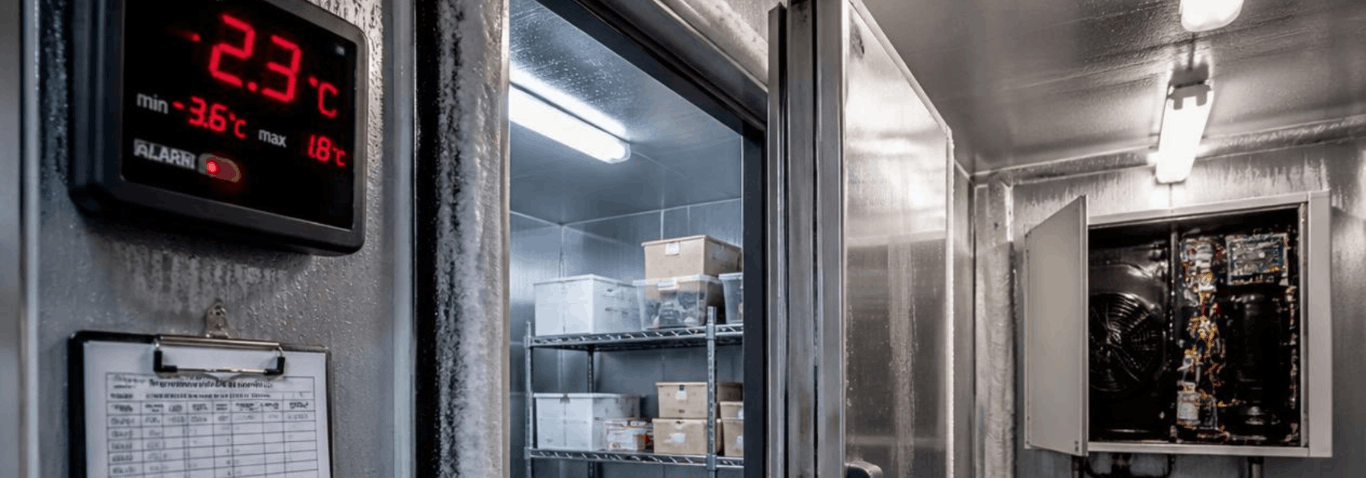
A commercial cold room is expected to operate reliably every day, often without interruption. Whether supporting food manufacturing, pharmaceutical storage, hospitality operations or logistics facilities, consistent refrigeration performance is essential for maintaining product quality and keeping operations running smoothly.
Like any refrigeration system, however, a cold room requires regular servicing to continue performing efficiently. Minor issues that are overlooked can gradually develop into more serious problems, leading to higher energy consumption, unexpected downtime or costly repairs.
Recognising the early warning signs allows businesses to address potential issues before they affect daily operations. In many cases, timely servicing can restore system performance while extending the lifespan of key refrigeration components.
This article highlights seven common signs that indicate it may be time to arrange professional cold room servicing.
Why Preventive Maintenance Matters
Cold room maintenance is not simply about repairing equipment after a fault occurs. Routine servicing helps maintain refrigeration performance, improve energy efficiency and reduce the likelihood of unexpected operational disruptions.
Regular inspections also allow technicians to identify components showing signs of wear before they develop into larger issues. This proactive approach helps businesses minimize downtime while maintaining more reliable storage conditions.
For facilities operating around the clock, preventive maintenance becomes an important part of long term operational planning rather than an occasional repair activity.
-
Temperature Is No Longer Consistent
One of the earliest signs that a cold room requires attention is inconsistent internal temperature.
Products stored in different parts of the cold room may experience varying temperatures, even though the refrigeration system appears to be operating normally. This may indicate airflow restrictions, refrigeration issues or components that are no longer performing efficiently.
Consistent temperature control is essential for businesses handling temperature sensitive products. Investigating unusual temperature fluctuations early helps prevent product quality issues and unnecessary operational disruptions.
-
Ice Build Up Is Becoming More Frequent
A small amount of frost may be expected under certain operating conditions. However, excessive ice build up on evaporator coils, walls or around door openings usually indicates that the system should be inspected.
Common causes include:
- Damaged door seals
- Warm air entering the cold room
- Defrost system issues
- Poor door closing habits
Ignoring ice accumulation can reduce cooling efficiency while increasing energy consumption over time.
-
Electricity Costs Continue Increasing
A noticeable increase in electricity consumption may indicate that the refrigeration system is working harder than necessary.
Several factors can contribute to this, including:
- Dirty condenser coils
- Ageing refrigeration components
- Refrigerant issues
- Poor insulation performance
- Frequent temperature loss caused by damaged doors or seals
Regular servicing helps identify these issues before they significantly affect operating costs. Monitoring energy consumption alongside routine servicing can also help businesses identify performance trends over time.
-
Water Leakage Around the Cold Room
Water pooling around the cold room should never be ignored. While condensation can occur under certain conditions, persistent water leakage often points to an underlying issue that requires professional inspection.
Possible causes include:
- Blocked or damaged drainage systems
- Defrost cycle issues
- Condensation caused by warm air entering the cold room
- Damaged insulation around door frames
Addressing these issues early helps prevent additional damage to surrounding flooring and equipment while maintaining a safe working environment for staff.
-
Unusual Noise During Operation
Cold rooms typically produce a consistent level of operating noise. Changes in sound, such as rattling, grinding or excessive vibration, may indicate that components are beginning to wear.
Although the refrigeration system may continue operating, unusual noise often signals that servicing is required before the issue develops into a larger mechanical failure. Routine inspections allow technicians to identify worn components and carry out preventive repairs before they affect normal operations.
-
Door Seals Are Damaged or No Longer Closing Properly
Door seals play an important role in maintaining stable internal temperatures. When seals become worn, cracked or damaged, warm air can enter the cold room, forcing the refrigeration system to work harder to maintain the required temperature.
Common signs include:
- Visible gaps around the door
- Condensation near the door frame
- Frost forming around the entrance
- Doors that no longer close securely
Replacing damaged seals is often a straightforward maintenance task, but delaying repairs may increase energy consumption and place unnecessary strain on the refrigeration system.
-
Cooling Performance Has Become Slower
If products take longer to reach the required storage temperature, the refrigeration system may no longer be operating at peak efficiency.
Reduced cooling performance can result from several factors, including ageing equipment, refrigerant issues, airflow restrictions or components requiring maintenance.
Rather than waiting for a complete system failure, arranging an inspection when cooling performance begins to decline allows potential issues to be addressed before they affect daily operations.
Common Symptoms and Possible Causes:
|
Symptom |
Possible Cause |
|
Temperature fluctuations |
Airflow restriction, refrigeration system issues |
|
Ice build up |
Damaged door seals or defrost system problems |
|
Water leakage |
Drainage blockage or condensation |
|
Unusual noise |
Worn mechanical components |
|
Higher electricity consumption |
Reduced refrigeration efficiency |
|
Slow cooling performance |
Refrigeration or airflow issues |
Recognising these symptoms early allows maintenance work to be planned before equipment failures interrupt business operations.
Regular inspections also provide opportunities to identify minor issues before they develop into more costly repairs, helping businesses maintain reliable cold storage throughout the year. Facilities operating cold rooms in food manufacturing, pharmaceutical, hospitality and logistics environments often include preventive servicing as part of their planned maintenance programme to reduce unexpected downtime.
Kiat Lay provides cold room maintenance services to help businesses keep their refrigeration systems operating efficiently through scheduled inspections, preventive maintenance and repair support.
When Should You Schedule Preventive Maintenance?
Rather than waiting for a breakdown, preventive maintenance should be carried out at regular intervals based on how the cold room is used. Facilities operating continuously or handling temperature sensitive products often require more frequent inspections than those with lower daily usage.
While maintenance schedules vary depending on the application, routine servicing generally includes:
- Inspecting refrigeration components
- Checking evaporators and condensers
- Examining door seals and insulation
- Testing temperature performance
- Identifying worn components before they fail
A planned maintenance programme helps reduce unexpected downtime while supporting consistent refrigeration performance throughout the year.
Routine servicing is most effective when viewed as an ongoing operational strategy rather than a response to equipment failure. By addressing minor issues early, businesses can often avoid more disruptive repairs while maintaining stable storage conditions for temperature sensitive products.
Conclusion
Commercial cold rooms operate under demanding conditions and are expected to perform reliably every day. Identifying early warning signs such as temperature fluctuations, ice build up or declining cooling performance allows businesses to resolve issues before they develop into more significant problems.
Preventive maintenance not only helps improve equipment reliability but also supports energy efficiency, product quality and long term operational performance. Scheduling routine inspections gives businesses greater confidence that their refrigeration systems will continue supporting day to day operations without unnecessary interruptions.
Whether your cold room supports food manufacturing, pharmaceutical production, hospitality or logistics operations, regular servicing is an important part of protecting your investment and maintaining reliable storage conditions.
If your refrigeration system is showing any of these warning signs, request a consultant with Kiat Lay about professional cold room maintenance services. Our experienced team provides preventive servicing, repairs and technical support to help businesses maintain reliable cold storage systems across a wide range of industries.