


Cold Room Design for Multi Temperature Distribution Centres in Singapore
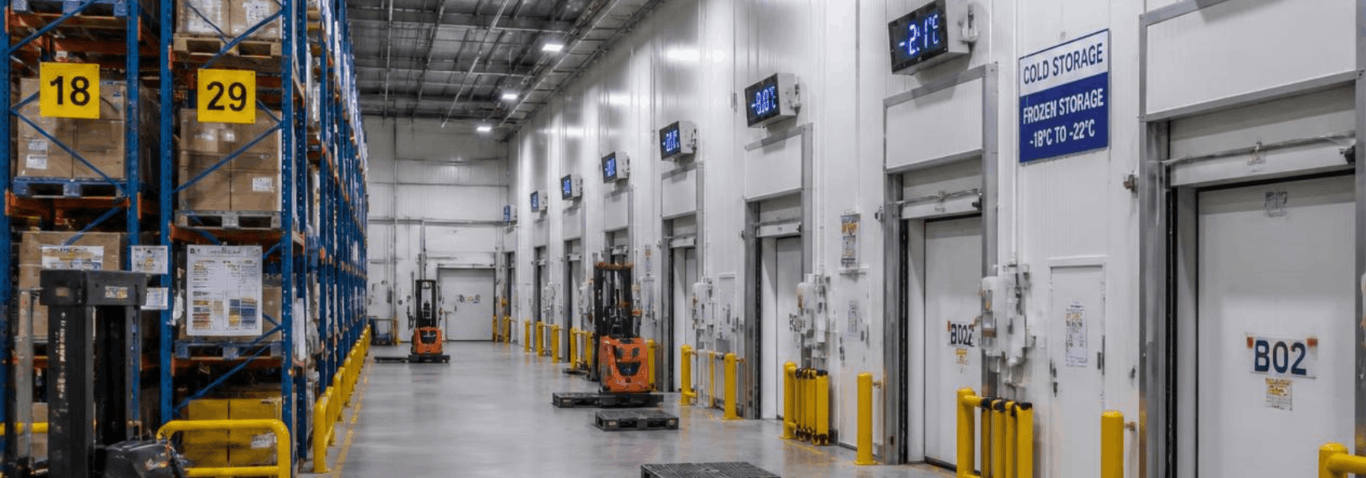
Distribution centres have evolved beyond simple storage facilities. Today, many logistics operators manage a wide range of temperature sensitive products within the same warehouse, from chilled food and frozen goods to pharmaceuticals and other products requiring controlled storage conditions.
As inventory volumes increase and fulfilment schedules become more demanding, businesses need cold storage solutions that support efficient product movement without compromising temperature control. This is particularly important for distribution centres handling multiple product categories, where different storage environments must operate together within a single facility.
Planning a cold room for a distribution centre therefore requires more than allocating refrigerated storage space. Businesses should also consider workflow, storage zoning, accessibility and future expansion to ensure the facility continues supporting operational requirements as distribution activities grow.
This article explores the key considerations when planning multi temperature cold rooms for distribution centres and how a well designed solution can improve warehouse efficiency while supporting long term business growth.
Why Multi Temperature Storage Matters
Modern distribution centres often handle products with different storage requirements throughout the same operation.
For example, a logistics company may store frozen food products alongside chilled dairy items, fresh produce or temperature controlled pharmaceutical products. Attempting to accommodate these products within a single storage environment can reduce operational efficiency and make inventory management more challenging.
A multi temperature cold room allows businesses to organise products according to their required storage conditions while supporting smoother warehouse operations.
Typical applications include:
- Food and beverage distribution
- Pharmaceutical logistics
- Import and export facilities
- Third party logistics providers
- Regional distribution centres
By separating products into appropriate temperature zones, businesses can improve stock organisation, reduce unnecessary product handling and support more efficient warehouse operations.
Planning Warehouse Workflow
A well designed cold room should support the movement of products throughout the warehouse rather than becoming a bottleneck during daily operations.
Within a typical distribution centre, products move through several stages before leaving the facility.
- Receiving.
- Inspection.
- Storage.
- Order picking.
- Packing.
- Dispatch.
Each stage should be considered during the planning process to reduce unnecessary handling and improve operational efficiency.
The location of loading areas, cold rooms and dispatch zones all influence how efficiently products move through the warehouse. Poor layout planning can increase travel distances for warehouse staff while creating congestion during busy operating periods.
Businesses should also consider future warehouse expansion. As inventory volumes grow, additional storage capacity or operational changes may be required. Allowing flexibility during the design stage helps reduce major modifications later while supporting long term warehouse performance.
Automation and Temperature Controlled Warehousing
Warehouse operations continue to evolve as businesses look for ways to improve storage efficiency, increase throughput and reduce manual handling. One development gaining wider adoption is the use of Automated Storage and Retrieval Systems (ASRS), particularly in facilities managing large inventories and high order volumes.
When automation is introduced, cold room planning becomes even more important. Refrigeration systems, storage layouts and equipment access all need to support automated operations without affecting temperature stability.
Some key considerations include:
- Adequate clearance for automated equipment
- Consistent temperature across storage zones
- Layouts that support efficient product retrieval
- Space for future warehouse expansion
- Reliable refrigeration performance during continuous operation
Planning these requirements early helps ensure the cold room can operate efficiently alongside warehouse automation as business requirements change.
Kiat Lay designs cold room solutions that can be integrated with warehouse automation, allowing businesses to develop refrigerated environments that support both operational efficiency and long term growth.
Temperature Zones for Different Products
Not every product requires the same storage environment. Separating inventory according to temperature requirements improves organisation and helps maintain product quality throughout the supply chain
|
Storage Zone |
Typical Applications |
Planning Consideration |
|
Frozen Storage |
Frozen food, seafood, meat |
Stable low temperature and efficient product access |
|
Chilled Storage |
Dairy products, fresh produce, beverages |
Consistent cooling and organised inventory |
|
Temperature Controlled Storage |
Pharmaceuticals, healthcare products |
Reliable monitoring and controlled conditions |
|
Dispatch Holding Area |
Outgoing customer orders |
Quick access while maintaining product integrity |
Designing these storage areas around warehouse workflow helps minimise unnecessary movement while improving picking and dispatch efficiency. Long term planning should also take future operational requirements into account, including warehouse expansion, sustainability initiatives and evolving logistics infrastructure.
Supporting Reliable Warehouse Operations
Cold rooms within distribution centres often operate throughout the day, making reliability an important operational consideration. Even minor equipment issues can affect storage conditions, disrupt fulfilment schedules and increase operational costs if not addressed promptly.
Planning for long term performance involves more than selecting suitable refrigeration equipment. Businesses should also consider ongoing servicing, equipment inspections and preventive maintenance to help maintain consistent operating conditions.
A preventive maintenance programme can help identify worn components before they lead to unexpected downtime. Routine inspections of refrigeration systems, evaporators, condensers, door seals and temperature monitoring equipment all contribute to maintaining reliable cold storage performance.
For distribution centres operating around the clock, scheduled maintenance also reduces the risk of unplanned interruptions that may affect inventory or customer deliveries. Kiat Lay provides cold room maintenance services to support customers after installation, helping logistics businesses maintain reliable refrigerated storage systems throughout their operational lifecycle.
Choosing the Right Cold Room Solution
Every distribution centre operates differently. Some facilities focus on high volume food distribution, while others manage pharmaceutical products or mixed inventory requiring multiple temperature conditions. Understanding these operational differences is essential when planning a cold room.
Rather than selecting a standard solution, businesses should evaluate how the cold room will support warehouse activities both today and in the future. Factors such as storage capacity, workflow, automation and maintenance all influence long term performance.
When evaluating a cold room solution, consider whether it can support:
- Current operational requirements
- Future business expansion
- Multiple temperature zones
- Warehouse automation
- Ongoing maintenance and servicing
Planning around these requirements helps businesses create cold storage infrastructure that continues supporting operations as distribution demands evolve.
Industry Insight
Distribution centres are under increasing pressure to process larger order volumes while maintaining product quality and delivery accuracy. As businesses expand, warehouse operations often become more complex, with multiple product categories moving through receiving, storage, picking and dispatch within the same facility.
Planning the cold room as part of the overall warehouse workflow, rather than as a standalone storage area, can help improve productivity, reduce unnecessary product movement and support more efficient day to day operations.
Conclusion
Cold room planning for modern distribution centres extends beyond refrigeration. It involves understanding how products move through the warehouse, how different temperature zones support inventory requirements and how future growth may influence storage capacity.
Businesses investing in multi temperature cold rooms should consider operational workflow, warehouse layout, automation opportunities and long term maintenance from the beginning of the project. These considerations contribute to a more efficient facility that can adapt to changing business requirements over time.
Whether you are developing a new distribution centre or upgrading an existing warehouse, careful planning can help create a cold room solution that supports both operational efficiency and future expansion.
If you are planning a temperature controlled warehouse or distribution facility, contact Kiat Lay to discuss a customised cold room solution designed around your operational requirements. From design and installation to long term maintenance support, our team works with businesses across Singapore to deliver reliable cold storage infrastructure for logistics operations.