


Future-Proof Cold Room Construction for Carbon-Regulated Logistics
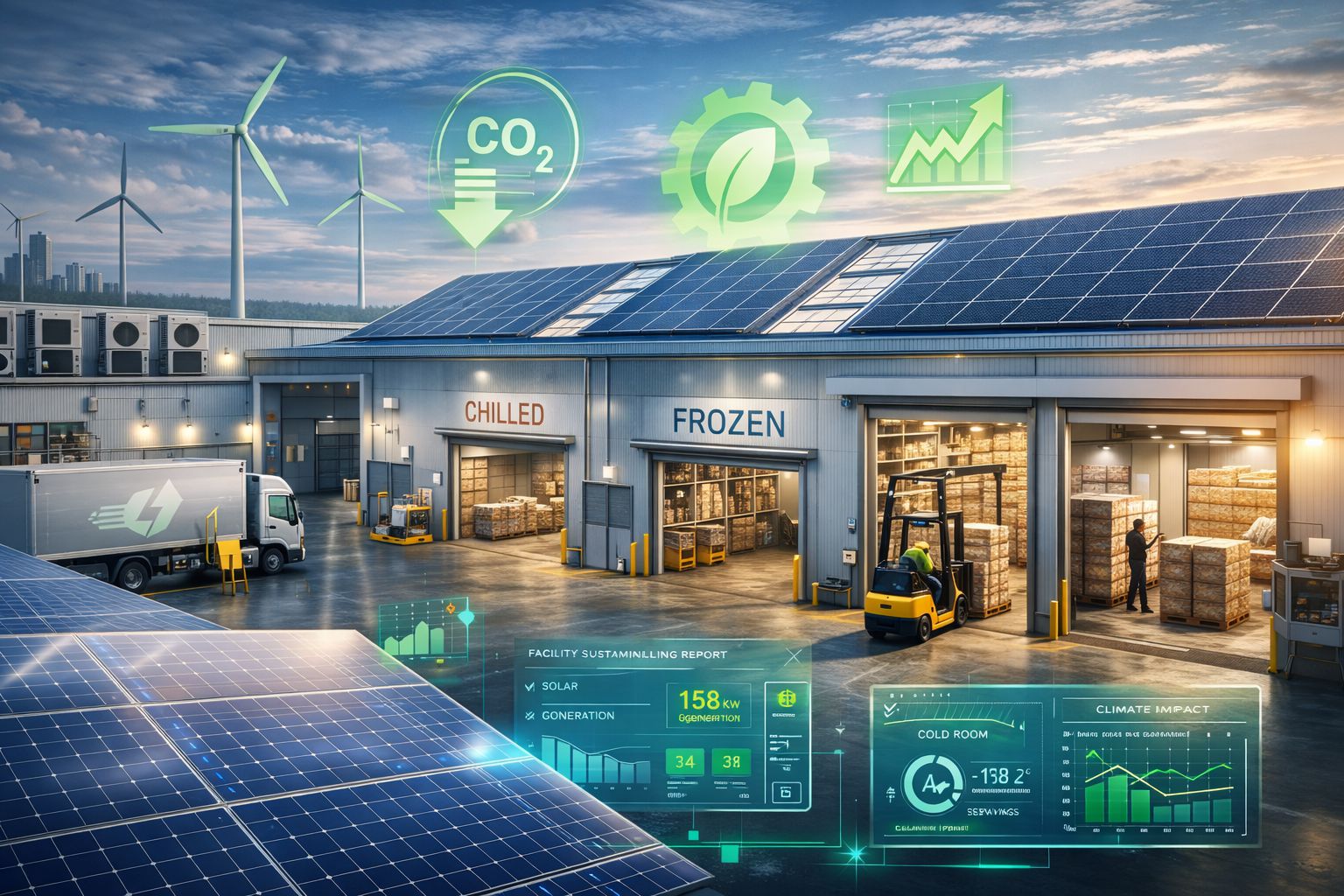
Cold storage facilities are under growing pressure to operate with greater energy efficiency, lower emissions and stronger reporting discipline. For logistics operators, food distributors, pharmaceutical supply chains and temperature-controlled warehouses, carbon accountability is becoming part of everyday operational planning.
Cold room construction now has to support more than temperature control. It must help businesses manage electricity consumption, prepare for carbon-related regulations, improve ESG reporting and protect long-term infrastructure value.
For facilities in Singapore and across Southeast Asia, this is especially important. High ambient temperatures, frequent door openings and 24-hour operations can place a heavy load on refrigeration systems. A poorly designed cold room can increase energy use, raise operating costs and make future upgrades more difficult.
This article explains how future-ready cold room construction supports carbon-regulated logistics through:
- Energy-efficient refrigeration and insulation design
- Sustainability reporting and operational data tracking
- Modular layouts that support future upgrades
- Long-term planning for lower operating risk
Why Carbon-Regulated Logistics Matters for Cold Storage
Carbon-regulated logistics refers to supply chain operations that are measured, reported or managed based on energy use and carbon emissions. This affects businesses that operate warehouses, cold rooms, freezer rooms, distribution hubs and temperature-controlled transport networks.
For cold storage operators, the main pressure points include:
- Rising electricity costs
- Carbon tax and emissions-related reporting
- Client ESG requirements
- Refrigerant phase-down requirements
- Demand for more efficient warehouse operations
- Audit expectations from multinational customers
Because cold rooms are energy-intensive assets, the way they are designed, insulated, monitored and maintained has a direct effect on carbon performance.
Future-proof cold room construction helps businesses reduce avoidable energy waste while keeping storage conditions stable and compliant.
1. Designing Cold Rooms for Changing Environmental Requirements
Cold rooms must be planned with future regulations in mind. This does not mean overbuilding the system. It means designing the facility with the right insulation, refrigeration capacity, controls and upgrade pathways from the start.
Low-GWP Refrigerant Readiness
Many industries are moving away from high global warming potential refrigerants. For cold room operators, this means future systems should be planned with refrigerant compatibility and long-term servicing in mind.
A future-ready refrigeration system should consider:
- Compatibility with lower-GWP refrigerant options
- Safe plant room and ventilation design
- Refrigerant leak detection where required
- Service access for long-term maintenance
- Equipment selection that supports future regulatory changes
Choosing suitable equipment early can reduce the risk of expensive retrofits later. It also helps logistics operators stay prepared as refrigerant rules continue to develop.
High-Performance Insulation
Insulation is one of the most important factors in cold room energy performance. When insulation is weak, damaged or poorly sealed, heat enters the cold room more easily. This forces the refrigeration system to work harder.
A well-insulated cold room should include:
- High-quality insulated panels with suitable thickness
- Properly sealed panel joints
- Insulated flooring where required
- Effective vapour barriers
- Well-designed doors and gaskets
- Reduced thermal bridging
Better insulation reduces heat gain, stabilises internal temperatures and lowers compressor workload. Over time, this can help reduce electricity use and maintenance stress.
Smart Temperature Control Systems
Modern cold rooms can be designed with controls that match cooling output to actual operational demand. This is important because many facilities do not run at full load all the time.
Useful technologies may include:
- Inverter-driven compressors
- Variable speed fans
- Demand-based cooling controls
- Smart defrost cycles
- Remote temperature monitoring
- Automated system alerts
These systems help prevent unnecessary energy use during partial loads, low activity periods or off-peak operating hours.
Practical Planning Scenario: Reducing Energy Load in a Warehouse
A food distributor upgrading its temperature-controlled warehouse may choose thicker insulated panels, inverter compressors and improved door seals.
Instead of only increasing cooling capacity, the design focuses on reducing heat ingress and matching refrigeration output to actual storage demand. This approach can help lower electricity consumption, reduce equipment strain and support future carbon reporting requirements.
2. Supporting Sustainability Reporting Requirements
Carbon-regulated logistics depends on measurable data. Many businesses now need to report energy performance, emissions intensity and sustainability improvements to customers, auditors or internal ESG teams.
Cold room construction can support this by integrating monitoring and reporting systems from the beginning.
Energy Monitoring Integration
A future-ready cold room can be equipped with:
- Energy meters connected to a central dashboard
- Temperature and humidity sensors
- Real-time performance tracking
- Zone-based energy monitoring
- Alerts for abnormal energy use
- Digital maintenance logs
This gives facility managers clearer visibility into how much electricity each cold room, freezer room or storage zone consumes.
Instead of relying on rough estimates, businesses can track useful performance indicators such as:
- kWh per cubic metre of storage
- Energy use by temperature zone
- Cooling performance during peak and off-peak periods
- Impact of door openings and loading activities
- Equipment performance over time
This information supports better operational decisions and more accurate ESG reporting.
Audit-Ready Cold Room Infrastructure
Sustainability audits may require records that show how the cold room was designed, operated and maintained.
Relevant documentation may include:
- Insulation specifications
- Refrigerant type and system details
- Maintenance schedules
- Temperature logs
- Energy consumption data
- Alarm and corrective action records
- Equipment service history
When digital monitoring and automated logging are built into the cold room system, audit preparation becomes more organised and less dependent on manual records.
Practical Planning Scenario: Cold Storage with ESG Reporting Needs
A pharmaceutical logistics provider may need to meet both temperature control requirements and sustainability reporting expectations.
By using digital temperature monitoring, energy tracking and automated record keeping, the facility can support GDP-related storage control while improving the accuracy of its operational reporting. This gives both quality teams and management a clearer view of facility performance.
3. Building Long-Term Adaptability into Industrial Cold Room Design
Carbon expectations will continue to change. A cold room built today should be able to support operational changes over the next 10 to 15 years without requiring major reconstruction.
This is where adaptability becomes important.
Modular Cold Room Construction
Modular insulated panel systems allow cold rooms to be expanded or reconfigured more efficiently than fixed, inflexible structures.
A modular approach can support:
- Future storage expansion
- Reconfiguration of temperature zones
- Replacement or upgrading of selected panels
- Addition of buffer spaces or airlocks
- Changes in workflow or storage profile
For growing logistics businesses, modular construction helps reduce the risk of outgrowing the cold room too quickly.
Zoning for Energy and Operational Efficiency
Instead of constructing one large cold room or freezer room, many facilities benefit from carefully planned zoning.
Effective zoning may include:
- Chilled storage zones
- Frozen storage zones
- Pre-cooling areas
- Buffer airlock chambers
- Loading and staging zones
- Dedicated high-turnover storage areas
Zoning helps businesses cool only what needs to be cooled. It also reduces temperature loss during loading and unloading.
For high-traffic logistics operations, this can make a significant difference to both temperature stability and energy efficiency.
System Upgradability
Cold rooms should be designed with future upgrades in mind. This includes both mechanical and electrical planning.
A future-ready design may allow for:
- Additional monitoring devices
- Heat recovery integration
- Upgraded refrigeration controls
- Renewable energy connection
- Additional compressor capacity
- Improved lighting systems
- Expanded automation or access control
For example, a warehouse planning to install rooftop solar in the future should ensure the electrical infrastructure and load planning can support future integration.
Practical Planning Scenario: Phased Growth for an E-Commerce Grocery Hub
An e-commerce grocery operator expecting rapid growth may avoid installing one oversized refrigeration system from the start. Instead, it may use a modular compressor bank and phased cold room expansion plan.
As demand grows, the operator can add efficient refrigeration units and new storage zones gradually. This reduces unnecessary upfront capital expenditure while keeping the facility ready for stricter energy and carbon requirements.
4. Balancing Performance with Carbon Responsibility
Future-proof cold room construction is not about building the largest or most complex system possible. Oversized refrigeration equipment, excessive storage areas and poorly matched cooling capacity can increase both capital cost and energy waste.
The right approach is precision. Cold room design should match the facility’s actual product load, operating schedule, door activity, storage duration and workflow.
Key planning steps include:
- Conducting accurate thermal load calculations
- Understanding inventory turnover
- Matching cooling capacity to actual usage
- Designing airflow around racking and pallet positions
- Reducing unnecessary door openings
- Planning maintenance access
- Selecting durable components with long service life
- Integrating monitoring systems from day one
When cold room design is aligned with operational reality, businesses can reduce energy waste while maintaining reliable temperature control.
Benefits of Future-Proof Cold Room Construction
A well-planned cold room can support both operational and sustainability goals.
Key benefits include:
- Lower long-term operating costs
- Reduced energy waste
- More stable temperature performance
- Stronger ESG reporting support
- Lower regulatory risk
- Easier future upgrades
- Better maintenance planning
- Improved business continuity
- Longer infrastructure lifespan
For logistics operators, these benefits translate into greater control over cost, compliance and service reliability.
Why It Matters
Cold room construction directly affects the carbon performance of temperature-controlled logistics. Once a cold room is built, major design weaknesses can be expensive to correct.
That is why future-proof planning matters from the start.
By considering insulation, refrigeration efficiency, digital monitoring, modularity and long-term upgrade potential, businesses can build cold storage facilities that are more resilient, more efficient and better prepared for carbon-related requirements.
For companies serving multinational clients, this also supports stronger procurement conversations, ESG alignment and operational credibility.
How Kiat Lay Supports Future-Ready Cold Room Construction
Kiat Lay cold room specialist designs and builds cold room systems with a focus on reliability, operational fit and long-term performance. For carbon-regulated logistics, this means looking beyond basic storage capacity and considering how the cold room will perform over its full lifecycle.
Our approach considers:
- Product temperature requirements
- Storage volume and turnover
- Energy-efficient insulation
- Refrigeration system selection
- Door, panel and vapour barrier design
- Monitoring and control requirements
- Maintenance access
- Future expansion potential
The goal is to help businesses build cold room infrastructure that supports daily operations while preparing for future efficiency, compliance and reporting demands.
Conclusion
Carbon-regulated logistics is becoming part of how modern cold storage facilities are planned, operated and evaluated. Businesses that invest in efficient, adaptable cold room construction will be better prepared to manage operating costs, sustainability expectations and future compliance requirements.
Future-proof cold room construction is about practical foresight. It means building a facility that performs reliably today while allowing room for tomorrow’s regulatory, operational and energy demands.
Planning a cold room for logistics, warehousing or temperature-controlled distribution? Contact Kiat Lay to design a reliable, energy-efficient cold room system built around your storage requirements, operational workflow and long-term sustainability goals.
FAQs About Future-Proof Cold Room Construction
What is future-proof cold room construction?
Future-proof cold room construction means designing a cold room that can meet current storage needs while remaining adaptable for future regulations, capacity changes, energy requirements and sustainability reporting.
Why is cold room energy efficiency important for logistics businesses?
Cold rooms often operate continuously, which makes refrigeration one of the main electricity loads in temperature-controlled logistics. Improving energy efficiency can reduce operating costs, lower emissions and support ESG reporting.
How can cold room construction support carbon reporting?
Cold rooms can support carbon reporting through energy meters, digital monitoring systems, temperature logs, refrigerant records and maintenance documentation. These systems help businesses measure and report performance more accurately.
What insulation is best for an energy-efficient cold room?
The best insulation depends on the temperature range, room size, operating conditions and product load. High-performance insulated panels with proper sealing, suitable thickness and effective vapour barriers are important for reducing heat gain.
What are low-GWP refrigerants?
Low-GWP refrigerants are refrigerants with lower global warming potential compared with older high-GWP options. They help businesses prepare for refrigerant phase-down requirements and long-term environmental regulations.
Why is modular cold room design useful?
Modular cold room design allows businesses to expand, reconfigure or upgrade the storage space more easily. This is useful for logistics operators that expect demand growth or changing temperature requirements.
How does zoning improve cold room efficiency?
Zoning allows different areas to be cooled according to actual storage needs. It reduces unnecessary cooling, limits temperature loss during loading and helps maintain stable conditions across different product categories.
Should a cold room be oversized for future growth?
Not always. Oversizing can increase energy waste and capital cost. A better approach is to design for current operational needs while allowing planned expansion through modular construction and scalable refrigeration systems.
What should businesses consider before upgrading a cold room for sustainability?
Businesses should review insulation condition, refrigeration efficiency, door performance, airflow, monitoring systems, maintenance history and energy consumption patterns before deciding on upgrades.
How can Kiat Lay help with carbon-ready cold room construction?
Kiat Lay can help assess operational requirements, plan energy-efficient cold room layouts, recommend suitable materials and refrigeration systems, and design infrastructure that supports long-term reliability and future expansion.