


Cold Room Storage Solutions for Seasonal Hotel Menus
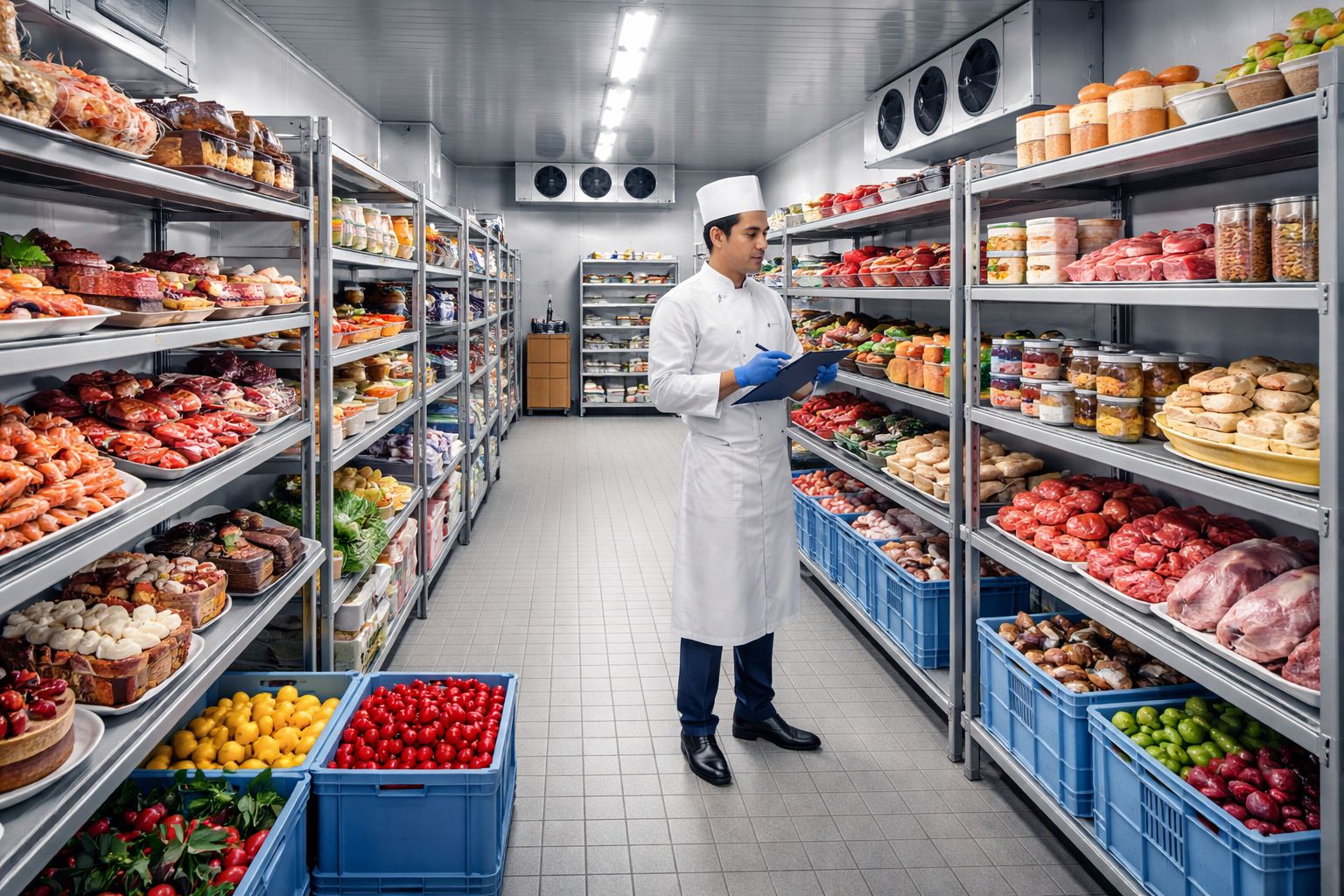
Hotel menus change throughout the year. Festive buffets, Chinese New Year banquets, Ramadan spreads, wedding menus, corporate events and seasonal promotions all place different demands on kitchen operations.
Behind every successful seasonal menu is a cold storage system that can handle changing stock levels, different ingredient types and tight service schedules. For hotels, cold rooms are not just back-of-house storage areas. They are operational assets that protect food quality, support kitchen workflow and help teams manage peak demand with confidence.
A well-planned hotel cold room allows chefs, procurement teams and F&B managers to store seasonal ingredients safely while reducing waste and avoiding unnecessary pressure on daily operations.
This article explains how cold room storage solutions support seasonal hotel menus through:
- Adaptable storage for festive and seasonal ingredients
- Flexible cold room design for changing menus
- Efficient inventory control during peak and off-peak periods
- Reliable temperature management for food safety and quality
Why Seasonal Hotel Menus Need Flexible Cold Room Storage
Seasonal menus often require hotels to bring in higher volumes of premium, perishable and fast-moving ingredients within a short timeframe. These may include seafood, poultry, meats, dairy, desserts, fresh produce, sauces, garnishes and speciality imported items.
During festive and event-heavy periods, cold room usage can change quickly. A hotel may need to support breakfast operations, banquets, room service, restaurants, pastry kitchens and event catering at the same time.
Without proper cold room planning, seasonal stock increases can lead to overcrowding, poor airflow, temperature inconsistency and higher risk of food wastage.
A reliable cold room system helps hotels maintain food quality while keeping operations organised during busy periods.
1. Adapting Cold Room Storage for Festive and Seasonal Items
Seasonal hotel menus often involve short-term increases in storage volume. During year-end celebrations, hotels may increase stock of seafood, oysters, smoked salmon, poultry, premium meats and desserts. During Chinese New Year, demand may shift towards banquet ingredients, chilled sauces, seafood and prepared items.
These changes require more than extra storage space. The cold room must maintain stable temperatures even when stock volume increases and staff access becomes more frequent.
Common Storage Challenges During Peak Seasons
Hotels may face several cold room challenges during festive periods:
- Sudden spikes in ingredient volume
- Limited shelf life of seasonal ingredients
- Frequent door openings during busy service periods
- Overcrowded shelves or pallets
- Poor airflow around high-density stock
- Difficulty separating raw, cooked and ready-to-use items
- Pressure on kitchen teams to retrieve ingredients quickly
If these issues are not addressed, food quality and operational efficiency can be affected.
Smart Storage Strategies for Seasonal Ingredients
Hotels can manage seasonal cold room demand more effectively with:
- Dedicated storage zones for festive or promotional menu items
- Clear separation of raw, cooked and ready-to-eat products
- Adjustable shelving for different carton sizes and ingredient types
- High-turnover zones near access points
- Buffer areas for incoming stock inspection
- Clear labelling by outlet, event, menu or delivery date
- Airflow-conscious loading practices to prevent blocked circulation
These measures help kitchen teams work faster while reducing the risk of stock confusion or temperature inconsistency.
Practical Scenario: Festive Buffet Preparation
A hotel preparing for the December festive period may need to increase its seafood, poultry and dessert ingredients for buffet service.
Instead of simply filling every available shelf, the cold room layout can be adjusted by:
- Reorganising high-turnover items near the entrance
- Creating separate zones for seafood, poultry and pastry items
- Adding temporary shelving where safe and suitable
- Checking that airflow paths remain clear
- Reviewing temperature monitoring points during peak loading
This approach allows the hotel to handle higher stock volume while keeping temperature control and product access manageable.
2. Flexible Cold Room Design for Menu Changes
Hotels often refresh menus several times a year. Seasonal tasting menus, banquet packages, themed buffets and event-specific menus can all require different storage arrangements.
A cold room designed for flexibility gives the hotel more control when menus change.
Modular Cold Room Design
Modular cold rooms are useful for hospitality operations because they can be planned around changing storage needs. These systems use insulated panels and configurable layouts that support future adjustment, depending on site conditions and operational requirements.
A modular design can help hotels:
- Reconfigure internal storage layouts
- Add or adjust shelving systems
- Separate product categories more clearly
- Expand capacity when business volume grows
- Plan different areas for chilled, frozen or preparation support needs
For hotels with multiple dining outlets, modular planning helps the cold room remain practical as menus, events and kitchen workflows evolve.
Multi-Zone Temperature Control
Different ingredients require different storage conditions. A hotel cold room system may need to support:
- Frozen seafood, meat and poultry
- Chilled dairy and desserts
- Fresh produce
- Prepared sauces and mise en place
- Pastry and bakery ingredients
- Beverages or selected speciality items
Common storage ranges may include:
- Frozen storage at around -18°C for suitable frozen products
- Chilled storage from 0°C to 4°C for many perishable food items
- Controlled chilled environments for selected dairy, pastry or speciality ingredients
Multi-zone cold room planning allows hotels to store different ingredient types safely without forcing all products into one unsuitable storage condition.
Practical Scenario: Menu Rotation Across Multiple Outlets
A hotel with several restaurants may need to support buffet service, a Chinese restaurant, a Western kitchen, a pastry section and banqueting operations.
A flexible cold room layout can create separate areas for:
- Meat and poultry
- Seafood
- Dairy and pastry
- Fresh produce
- Event-specific ingredients
- High-turnover daily kitchen stock
This makes it easier for each kitchen team to access the right ingredients while maintaining better stock control across the hotel.
3. Managing Inventory Fluctuations Efficiently
Seasonal menus naturally create changing inventory levels. During peak seasons, stock levels rise. During quieter periods, hotels need leaner inventory control to avoid wastage and unnecessary storage load.
Cold room planning should support both situations.
Risks of Poor Inventory Control
Without proper inventory control, hotels may experience:
- Food wastage from overstocking
- Stock shortages during high-demand periods
- Poor visibility of expiry dates
- Inefficient cold room space usage
- Higher risk of blocked airflow
- Time wasted searching for ingredients
- Increased operating cost
The cold room layout should make inventory movement visible, logical and easy to manage.
Best Practices for Hotel Cold Room Inventory Management
1. FIFO System
First-In, First-Out stock rotation ensures older stock is used before newer stock. This reduces spoilage and helps maintain food quality.
2. FEFO System
For ingredients with expiry dates, First-Expired, First-Out may be more suitable. This is especially useful for dairy, sauces, prepared items and speciality seasonal ingredients.
3. Demand Forecasting
Hotels can review past event data, menu performance and seasonal booking patterns to estimate ingredient demand more accurately.
4. Digital Monitoring Systems
Temperature sensors, alarms and digital logs give kitchen and facilities teams better visibility over storage conditions.
5. Dynamic Storage Allocation
Cold room space can be reassigned based on current needs. For example, a banquet-heavy week may require more space for prepared items, while a seafood promotion may require more dedicated chilled seafood storage.
6. Clear Labelling and Access Control
Clear labels by department, menu, event date or supplier help staff locate stock faster. Access control also reduces unnecessary door openings and protects sensitive products.
Practical Scenario: Inventory Planning for Event Seasons
A city hotel preparing for a busy wedding and corporate event season may use past banquet records to forecast ingredient demand.
The cold room layout can then be adjusted weekly by:
- Allocating more space to event-specific ingredients
- Labelling stock by event date
- Separating daily restaurant stock from banquet stock
- Monitoring expiry dates more closely
- Reviewing storage volume after each major event
This supports better cost control, reduces avoidable waste and helps kitchen teams maintain service consistency.
4. Protecting Food Quality and Safety
Seasonal menus often involve premium ingredients. When hotels invest in high-quality seafood, meats, desserts and imported produce, the cold room must protect that value.
Temperature instability can affect texture, freshness, shelf life and food safety. Reliable cold room performance helps hotels protect ingredient quality from receiving to preparation.
Key Cold Room Features for Hotel Kitchens
A hotel cold room should be planned with:
- Stable temperature control
- Proper airflow distribution
- Food-safe internal surfaces
- Easy-to-clean finishes
- Strong door seals
- Anti-slip flooring where suitable
- Drainage planning where required
- Clear lighting for stock checks
- Temperature alarms and monitoring
- Maintenance access for service teams
These features support daily kitchen operations while helping hotels meet food safety expectations.
Bringing It Together: Smart Cold Room Solutions for Hotels
A well-optimised hotel cold room combines three key elements.
1. Adaptability
The cold room must handle fluctuating ingredient volumes during festive periods, events and menu changes.
2. Flexibility
Modular layouts, adjustable shelving and multi-zone storage help hotels adjust quickly to changing kitchen requirements.
3. Efficiency
Good inventory control, clear zoning and digital monitoring help reduce waste, improve space usage and support smoother kitchen operations.
Hotels operate with multiple kitchens, outlets and service schedules. A practical cold room design helps bring order to this complexity without slowing down the team.
Why It Matters for Hospitality Businesses
Cold room storage affects more than back-of-house efficiency. It has a direct impact on guest experience, food quality and operating cost.
For hotels, a well-planned cold room supports:
- Consistent ingredient freshness
- Smoother festive and event operations
- Better food safety control
- Reduced wastage
- Faster stock retrieval
- Improved kitchen workflow
- Stronger cost management
- Reliable support for menu changes
In hospitality, service quality depends on what happens before the dish reaches the guest. Cold room planning is part of that foundation.
How Kiat Lay Supports Hotel Cold Room Planning
Kiat Lay designs and builds cold room systems for businesses that require dependable, purpose-built cold storage.
For hotels and hospitality operators, this means planning cold rooms around real kitchen workflows, menu changes and service demands.
Our approach considers:
- Ingredient types and storage temperatures
- Chiller and freezer requirements
- Kitchen and receiving workflows
- Seasonal storage peaks
- Shelving and access needs
- Food safety and hygiene requirements
- Energy efficiency
- Maintenance access
- Future capacity planning
The goal is to create a cold room system that supports daily kitchen operations, protects ingredient quality and remains practical as hotel menus evolve.
Conclusion
Seasonal hotel menus bring variety and excitement to guests, but they also create operational pressure behind the scenes. Cold room storage must be planned to handle changing stock levels, different ingredient types and peak service periods with precision.
With adaptable zoning, flexible layouts, stable temperature control and strong inventory practices, hotels can manage seasonal menus more efficiently while protecting food quality and reducing waste.
Planning a cold room for your hotel kitchen, banquet operation or seasonal menu programme? Speak to Kiat Lay to design a reliable cold room solution built around your ingredients, workflow and long-term hospitality needs.
FAQs About Cold Room Storage for Seasonal Hotel Menus
Why do hotels need flexible cold room storage for seasonal menus?
Hotels need flexible cold room storage because seasonal menus create changing ingredient volumes and storage requirements. A flexible cold room helps hotels manage festive demand, event menus and daily kitchen needs without compromising food quality.
What ingredients usually require cold room storage in hotels?
Hotels commonly use cold rooms to store seafood, meat, poultry, dairy, desserts, fresh produce, sauces, prepared ingredients and frozen items. Different ingredients may require different chilled or frozen storage conditions.
How can cold rooms help reduce food waste in hotels?
Cold rooms help reduce food waste by maintaining stable temperatures, supporting stock rotation and improving visibility of expiry dates. Clear zoning and FIFO or FEFO systems also help kitchen teams use ingredients before they spoil.
What is the best cold room layout for hotel kitchens?
The best layout depends on the hotel’s kitchen workflow, menu type, storage volume and delivery schedule. Many hotels benefit from separate zones for seafood, meat, dairy, produce, frozen items and event-specific ingredients.
Why is multi-zone cold room storage useful for hotels?
Multi-zone storage allows hotels to store different ingredient categories at suitable temperatures. This helps protect food quality and prevents all items from being stored under one general condition that may not suit every product.
How should hotels prepare cold rooms for festive seasons?
Hotels should review past demand, plan procurement early, organise storage zones, check shelving capacity, ensure airflow is not blocked and confirm that temperature monitoring systems are working before festive stock arrives.
What is the difference between FIFO and FEFO in hotel cold room management?
FIFO means First-In, First-Out, where older stock is used first. FEFO means First-Expired, First-Out, where items with the earliest expiry date are used first. FEFO is often useful for perishable food items with strict expiry dates.
Can hotel cold rooms be expanded later?
Yes, modular cold room systems can often be expanded or reconfigured depending on site conditions and operational needs. This is useful for hotels that expect more events, higher occupancy or new dining concepts.
How does cold room design affect hotel kitchen workflow?
Cold room design affects how quickly staff can receive, store, retrieve and rotate ingredients. Good zoning, clear labelling and suitable access points help reduce delays during service and peak preparation periods.
How can Kiat Lay help hotels with cold room storage?
Kiat Lay can help hotels plan and build cold room systems based on kitchen workflow, ingredient requirements, seasonal peaks and long-term operational needs. This supports safer storage, better efficiency and reliable daily performance.