


Planning Cold Room Capacity for Pharmaceutical Manufacturing Facilities
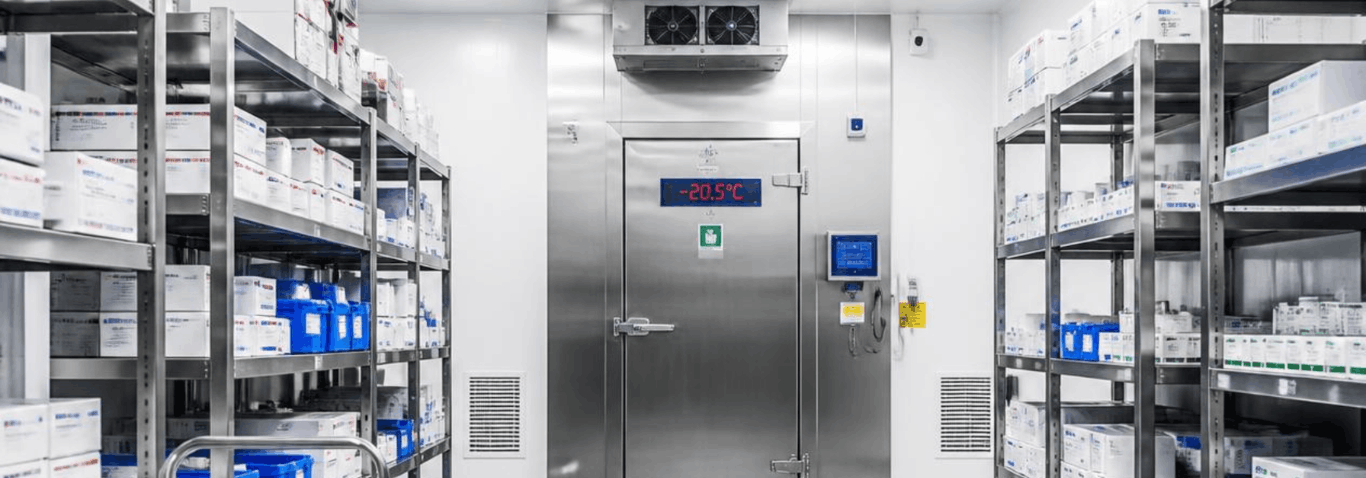
Pharmaceutical manufacturing depends on precise environmental control throughout the production process. From temperature sensitive raw materials to finished products awaiting distribution, maintaining suitable storage conditions is essential for preserving product quality and supporting operational efficiency.
As manufacturing activities expand, cold storage requirements often become more complex. Facilities may need to accommodate different product categories, varying storage temperatures and increasing inventory volumes while maintaining efficient movement between receiving, production and dispatch. A cold room that was originally designed for current operations may no longer provide the flexibility needed as production grows.
Planning a pharmaceutical cold room therefore involves more than calculating storage capacity. Consideration should also be given to workflow, storage zoning, accessibility and future expansion. A well planned cold room supports daily operations while helping manufacturers optimize available space and maintain consistent storage conditions.
This article explores the key considerations when planning cold room capacity for pharmaceutical manufacturing facilities and how careful planning can support long term operational requirements.
Understanding Pharmaceutical Storage Requirements
Cold rooms are used throughout pharmaceutical manufacturing for a wide range of applications. Depending on the facility, they may support raw material storage, production staging, finished product storage or temperature controlled holding before distribution.
Each stage of the manufacturing process has different operational priorities. Raw materials may require organised inventory management to ensure production schedules remain uninterrupted. Finished products often require reliable temperature control before being transferred to distribution channels. Some facilities may also allocate dedicated cold storage areas for intermediate products during manufacturing.
Rather than applying a standard layout, cold room planning should reflect how products move through the facility. Positioning the cold room close to receiving areas, production lines or dispatch zones can reduce unnecessary handling while improving workflow across different departments.
Businesses operating multiple production lines may also benefit from dividing storage into dedicated zones. This approach supports better stock organisation and allows different product categories to be managed more efficiently without creating congestion within the cold room.
Kiat Lay has experience designing customised cold room solutions for pharmaceutical applications, helping businesses develop facilities that support both operational efficiency and long term business growth.
Planning Capacity Beyond Today’s Requirements
One of the most common planning mistakes is designing a cold room based solely on current storage needs.
Pharmaceutical manufacturing is continually evolving. New production lines, increased manufacturing output and changing market demand can all increase storage requirements over time. Expanding an existing cold room after installation may involve operational disruptions, making it worthwhile to consider future growth during the initial planning stage.
When determining cold room capacity, businesses should evaluate several operational factors rather than focusing only on floor area.
Key planning considerations include:
- Expected production growth over the next three to five years
- Daily inventory turnover
- Product movement between production and storage
- Shelving configuration and aisle accessibility
- Temperature zoning requirements
- Space for future equipment upgrades
Planning with these factors in mind allows businesses to develop a cold room that remains suitable as operational requirements change.
Designing for Operational Efficiency
Storage capacity is only one aspect of cold room planning. An equally important consideration is how the cold room supports daily manufacturing activities.
In many pharmaceutical facilities, materials move through several stages before becoming finished products. Raw materials are received and inspected before entering production. Finished products are then stored temporarily before packaging or distribution. A well planned cold room should support this movement while reducing unnecessary handling and delays.
The layout should also allow staff to retrieve and store products efficiently without affecting temperature stability. Features such as clear storage zones, practical shelving arrangements and sufficient aisle space can improve productivity, particularly in facilities with frequent inventory movement.
Where different temperature requirements exist, separate storage zones may also be considered. This helps maintain suitable storage conditions while improving inventory management across multiple product categories.
Businesses planning specialised pharmaceutical facilities may also benefit from reviewing how cold rooms are designed for different applications. For example, pharmaceutical storage requirements for clinical trial materials differ from those used in general manufacturing because inventory volumes, product handling and storage duration are often more specialised.
Storage Planning Checklist
Before finalising a cold room design, it is useful to review the following considerations.
- Current storage capacity
- Expected production growth
- Product movement between departments
- Temperature zoning requirements
- Shelving configuration
- Accessibility for daily operations
- Maintenance access
- Future equipment upgrades
Addressing these points during the planning stage helps reduce the likelihood of operational constraints as manufacturing activities expand.
Planning Considerations for Different Storage Areas
|
Storage Area |
Planning Consideration |
|
Raw materials |
Organised storage with efficient inventory access |
|
Intermediate products |
Easy movement between production stages |
|
Finished products |
Reliable temperature control before dispatch |
|
Packaging materials |
Convenient access without disrupting production |
|
Expansion space |
Flexibility for future operational growth |
Rather than applying a standard layout across every project, the cold room should be designed around the operational requirements of each pharmaceutical facility.
Supporting Long Term Performance
A pharmaceutical cold room is a long term investment. Maintaining reliable performance requires more than proper design and installation. Regular servicing helps ensure refrigeration equipment continues operating efficiently while reducing the likelihood of unexpected breakdowns.
Routine inspections also provide opportunities to identify wear and tear before they affect daily operations. Components such as evaporators, condensers, door seals and temperature monitoring systems should be checked periodically to support reliable refrigeration performance.
Facilities that require cold rooms for pharmaceutical stability testing or staging and dispatch may also have different maintenance priorities depending on how frequently the cold room is used and the products being stored. Understanding these operational differences allows maintenance activities to be planned more effectively.
Kiat Lay provides cold room maintenance and servicing as part of its post installation support, helping customers maintain reliable cold storage systems throughout their operational lifecycle.
Choosing the Right Cold Room Partner
Selecting the right cold room contractor is an important part of any pharmaceutical facility planning project. While refrigeration equipment is a key component, the overall design should also consider workflow, storage requirements, future expansion and long term system reliability.
A reliable contractor will typically begin by understanding how the facility operates before recommending a suitable solution. This includes reviewing production processes, storage capacity, available floor space and temperature requirements to ensure the cold room supports daily operations.
Businesses should also consider the level of support available after installation. Preventive maintenance, troubleshooting and scheduled servicing all contribute to maintaining reliable cold storage performance while reducing the risk of unexpected downtime.
When evaluating a contractor, consider whether they can provide:
- Customised cold room design based on operational requirements
- Professional installation with minimal disruption
- Preventive maintenance and servicing
- Technical support for future system upgrades
- Experience across different pharmaceutical applications
Choosing a specialist with experience in pharmaceutical environments allows businesses to develop a cold room that continues supporting production requirements as operations evolve.
Bringing Everything Together
Planning a pharmaceutical cold room is not simply about creating additional storage space. It is about developing a storage environment that supports manufacturing efficiency, protects temperature sensitive products and provides flexibility as production requirements change.
Before finalising a project, businesses should review several key questions.
|
Planning Question |
Why It Matters |
|
Will storage capacity support future production growth? |
Reduces the need for major upgrades later |
|
Does the layout support efficient workflow? |
Improves productivity and reduces unnecessary handling |
|
Are different storage requirements clearly identified? |
Supports organised inventory management |
|
Is maintenance access considered? |
Makes servicing easier and helps maintain long term reliability |
|
Can the system be expanded in the future? |
Supports business growth without major redesign |
Addressing these considerations early allows businesses to make informed investment decisions while reducing operational challenges after installation.
Conclusion
Every pharmaceutical manufacturing facility has its own operational requirements, making careful cold room planning an essential part of long term business success. Looking beyond storage capacity and considering workflow, accessibility, future expansion and ongoing maintenance helps create a cold room that continues supporting production as the business grows.
Working with an experienced cold room specialist also allows businesses to develop a solution that aligns with their manufacturing processes rather than relying on a standard configuration.
Whether your facility is expanding production, upgrading an existing cold room or planning a new pharmaceutical manufacturing site, investing time in the planning stage can help improve operational efficiency and support reliable cold storage performance for years to come.
If you are planning a pharmaceutical cold room project, contact Kiat Lay to discuss a customized solution designed around your operational requirements. From design and installation to preventive maintenance, our team supports pharmaceutical businesses across Singapore with reliable cold room solutions that meet both current and future needs.