


Cold Room Design Considerations for Hotels with Multiple Food and Beverage Outlets
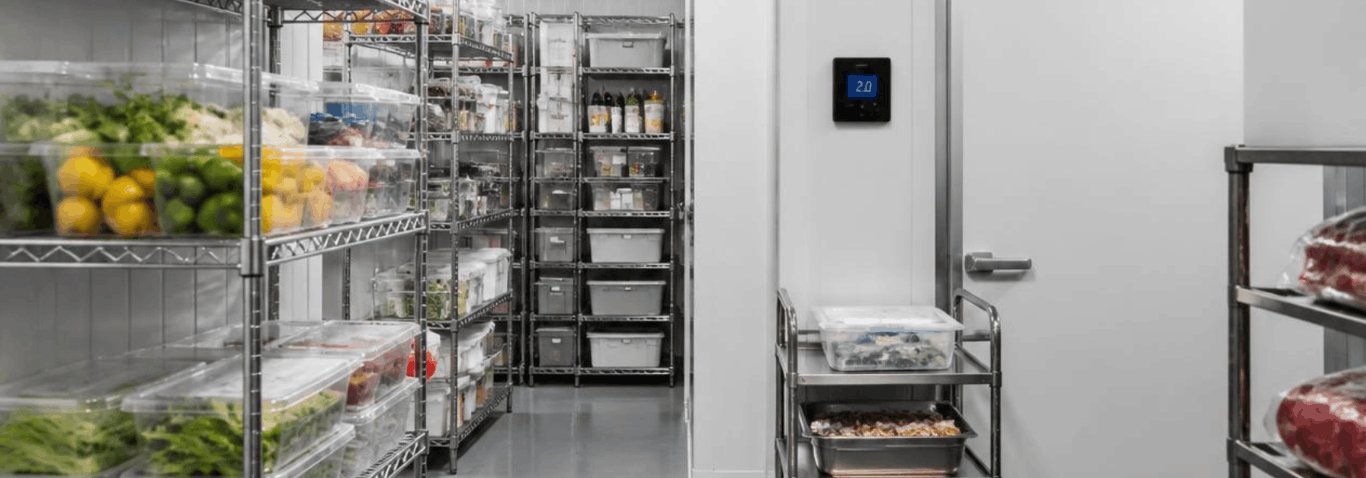
Hotels manage a wide range of food and beverage operations every day. Beyond the main kitchen, many properties also operate restaurants, cafés, bars, banquet facilities and room service kitchens, each with its own storage requirements and daily workflow.
Supporting these operations requires more than simply increasing refrigeration capacity. Cold storage should be planned around how ingredients and products move across different departments while maintaining consistent storage conditions and efficient inventory management.
As hospitality businesses expand their dining concepts and event capabilities, cold room planning becomes an increasingly important part of operational efficiency. A well designed cold room helps kitchen teams access ingredients quickly, supports food quality and provides flexibility as operational requirements change over time.
This article explores the key considerations when planning cold rooms for hotels with multiple food and beverage outlets, highlighting how thoughtful design can improve both operational performance and long term reliability.
Hotel Cold Storage Requirements
Unlike standalone restaurants, hotels often manage several food preparation areas within a single property. Each outlet may have different menus, production schedules and storage requirements, making cold room planning more complex.
A hotel may operate:
- An all day dining restaurant
- A speciality restaurant
- A café or lounge
- Banquet kitchens
- Room service operations
- Bars requiring chilled beverage storage
Although these outlets operate independently, they often rely on shared receiving areas and central storage facilities. Without proper planning, this can result in unnecessary movement, inefficient stock handling and congestion during busy service periods.
Cold room planning should therefore support both centralised storage and efficient distribution to individual food and beverage outlets.
Planning Around Daily Operations
Every hotel follows a different operating rhythm. Breakfast preparation begins early in the morning, restaurants prepare for lunch and dinner service throughout the day, while banquet kitchens may require large volumes of ingredients within short timeframes.
Rather than focusing solely on storage capacity, cold room planning should consider how products move between receiving, storage and food preparation areas.
Some important planning considerations include:
- Convenient access from receiving bays
- Logical product flow into preparation kitchens
- Separate storage zones for different product categories
- Clear shelving layouts for efficient stock rotation
- Sufficient circulation space for kitchen staff
A well organised layout helps reduce unnecessary handling while supporting faster kitchen operations during peak service periods. Facilities managing bakery production or pastry preparation may also require dedicated refrigerated storage depending on their operational requirements. These considerations often differ from hotels where food production is distributed across several outlets.
Cold Storage Zoning Across Hotel Operations
Hotels with multiple food and beverage outlets often manage different product categories at the same time. Fresh produce, dairy products, seafood, beverages and prepared ingredients may all require different storage arrangements depending on operational needs.
Instead of relying on a single storage area, many hotels benefit from dividing the cold room into clearly organised zones. This improves inventory management while making it easier for kitchen teams to retrieve products for different outlets without disrupting overall operations.
Typical zoning considerations include:
- Fresh ingredients for daily food preparation
- Dairy products and chilled beverages
- Prepared ingredients for banquet operations
- Finished products awaiting service
- Dedicated storage for high turnover items
A structured layout also supports better stock rotation and helps reduce unnecessary handling during busy service periods.
Matching Cold Storage to Different Hotel Functions
Cold storage requirements vary across different parts of a hotel. Planning around each operational area allows products to move more efficiently while supporting food quality throughout daily service.
|
Hotel Operation |
Cold Storage Consideration |
|
Main kitchen |
Central ingredient storage with convenient access for kitchen teams |
|
Restaurants |
Daily stock replenishment for regular service |
|
Banquet kitchen |
Flexible storage to support large scale events and peak production periods |
|
Café or lounge |
Easy access to chilled ingredients and beverages |
|
Bar |
Dedicated chilled storage for beverages and garnishes |
Rather than creating separate cold rooms for every outlet, many hotels use a central cold room supported by organised storage zones and efficient internal workflow. The most suitable approach depends on the property’s operational requirements, available space and food production volume.
Planning for Long Term Reliability
Hotel food and beverage operations rarely stop. Restaurants, room service and banquet facilities may operate throughout the day, making reliable refrigeration essential for maintaining smooth operations.
Cold room planning should therefore consider maintenance access from the beginning of the project. Refrigeration equipment, evaporator units and door systems should remain accessible for routine inspections and servicing without causing unnecessary disruption to hotel operations.
Regular maintenance also helps identify potential issues before they affect food storage or interrupt kitchen activities. Preventive servicing contributes to more consistent refrigeration performance while supporting the long term reliability of the cold room system.
Where hotels are expanding their food and beverage offerings or renovating existing kitchens, reviewing cold storage requirements as part of the overall project can also help avoid capacity limitations in the future.
Kiat Lay supports hospitality businesses with cold room maintenance and servicing, helping hotels maintain reliable refrigerated storage systems after installation.
Choosing the Right Cold Room Solution
Every hotel has its own operational priorities. A business hotel serving breakfast and room service will have different cold storage requirements from a resort hosting weddings, conferences and large scale banquets. Understanding these differences is the first step towards developing a cold room that supports daily operations.
Rather than selecting a standard configuration, hotels should evaluate how the cold room will be used across different departments. This includes reviewing storage capacity, product flow, kitchen locations and anticipated business growth. A solution that aligns with operational requirements is more likely to deliver reliable performance over the long term.
When planning a new cold room or upgrading an existing facility, it is worth considering whether the solution provides:
- Storage capacity that supports future expansion
- Practical access for multiple kitchen teams
- Flexible storage zoning for different food categories
- Reliable refrigeration performance
- Easy access for routine maintenance and servicing
Planning these requirements early helps minimise operational disruption while supporting efficient day to day food and beverage operations.
Hospitality Insight
Hotel operations rarely remain the same throughout the year. Seasonal promotions, festive celebrations, corporate functions and private events can significantly increase food preparation volumes within a short period.
A cold room designed around average daily demand may perform well during quieter months but become a constraint during peak periods. Allowing additional flexibility during the planning stage helps hotels accommodate changing operational requirements without affecting workflow or food quality.
This approach also gives operators greater confidence when expanding food and beverage offerings or introducing new dining concepts in the future.
Conclusion
Cold room planning is an important part of developing efficient hotel food and beverage operations. Looking beyond storage capacity and considering workflow, storage zoning, accessibility and long term maintenance allows hotels to create refrigerated environments that support both daily service and future business growth.
Whether serving guests through restaurants, cafés, banquet facilities or room service, every outlet depends on reliable cold storage to maintain food quality and operational efficiency. A carefully planned cold room helps kitchen teams work more effectively while providing the flexibility needed as hospitality operations continue to evolve.
If you are planning a new hospitality development or upgrading existing food and beverage facilities, request a consultant with Kiat Lay about a cold room solution tailored to your operational requirements. From design and installation to ongoing maintenance support, our team works with hotels across Singapore to deliver reliable cold room solutions that support long term operational performance.