


Cold Room Design for Hotel Central Kitchens Serving Multiple Outlets
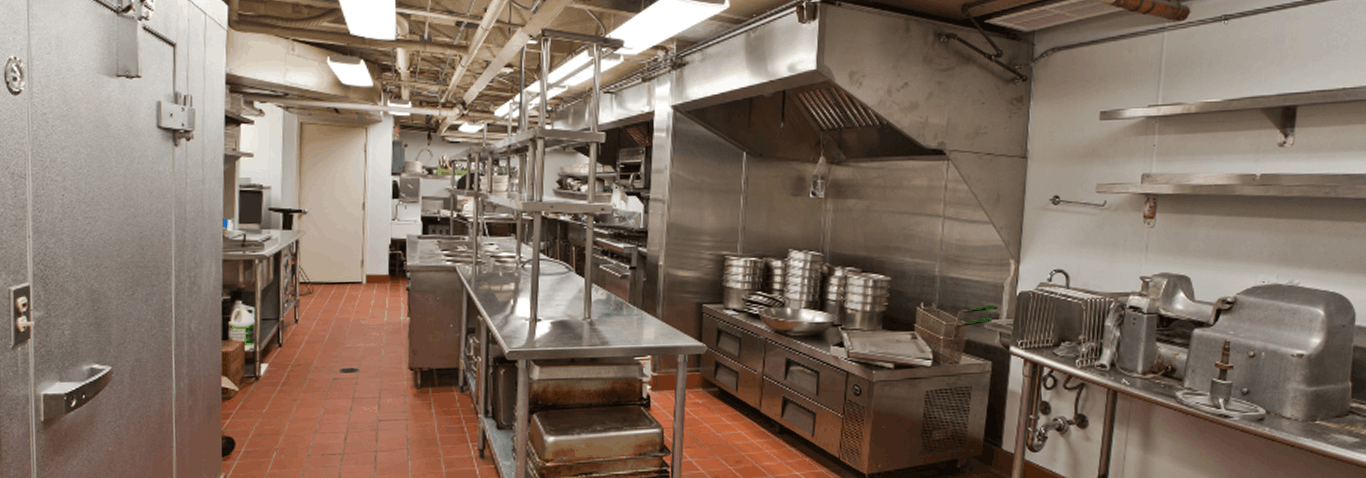
In today’s competitive hospitality landscape, many hotels operate centralised kitchens that support multiple outlets. From in-house restaurants and bars to banquet halls and room service operations. A well-designed cold room lies at the heart of these central kitchens, providing reliable storage for diverse ingredients, staged production items, and bulk inventory.
But a one-size-fits-all cold storage solution is rarely effective when a kitchen supports a range of service areas. Instead, central kitchens must adopt strategic cold room design that enables effective shared operations, segregated storage for different departments, and workflow optimisation. In this article, we explore best practices for designing cold rooms in hotel central kitchens serving multiple outlets, backed by real-world examples and case studies.
Coldroom Design Strategies for Shared Kitchen Operations
Central kitchen operations present unique challenges:
- A wide diversity of ingredients: meats, produce, dairy, seafood, sauces
- Multiple service areas with different storage requirements
- Frequent staging for various service runs
- High turnover during peak periods and banquet events
To handle this complexity, coldroom design must prioritise capacity, organisation, segregation, and accessibility.
1. Understand the Functional Needs of Each Outlet
Before designing the cold room, it’s essential to map out the needs of each outlet that the kitchen serves:
- Restaurants may require large volumes of fresh produce and proteins
- Bars often need chilled beverages, garnishes, and mixers
- Banquets demand bulk staging areas for plated courses or buffet components
- Room service and mini-bar stocking may have specialised chilled or frozen demands
By clearly documenting these needs, designers can determine required coldroom size, zoning, shelving types, and racking configurations.
A luxury hotel in Singapore, for example, surveyed its restaurants’ monthly ingredient usage before expanding its cold rooms. This needs assessment helped them allocate appropriate space for banquet staging areas without overcrowding restaurant ingredient zones.
Segregating Cold Room Storage for Restaurants, Bars, and Banquets
Managing multiple outlets in one cold room introduces the risk of cross-use, cross-contamination, and workflow bottlenecks. Strategic segregation and zonal design helps mitigate these risks.
1. Functional Zones for Different Service Areas
Dividing the cold room into functional zones improves organisation and prevents operational conflicts. Typical zones include:
- Restaurant ingredient zone – for proteins, produce, and dairy
- Banquet staging zone – for prepped items before service
- Bar storage zone – for beverages, garnishes, and mixers
- Room service and mini-bar zone – smaller, fast-access area
These zones can be defined using insulated partition panels, racking arrangements, or even separate doors, depending on space and workflow.
For example, a hotel near Orchard Road in Singapore structured its central kitchen cold room with dedicated racks on one side for bar storage and another for restaurant and banquet items. This minimised cross-traffic and made inventory counts easier during audits.
2. Temperature Differentiation by Zone
Different food and beverage components thrive at different temperatures:
- Vegetables and herbs: higher chill temperatures (4–6 °C)
- Meats and dairy: consistent lower temperatures (2–4 °C)
- Beverages: chilled but not too cold (6–8 °C)
- Banquet prepped items: custom staging temperatures based on menu
Split-temperature or multi-zone chillers allow hotels to configure their coldroom with adjustable temperature zones. Multi-temperature design can utilise:
- Internal partitions with separate fan coils
- Dedicated refrigeration loops per zone
- Digital controllers for precise setpoints
This not only improves ingredient quality and shelf life but also enhances food safety compliance.
3. Avoiding Cross-Contamination Through Physical Layouts
Cross-contamination, particularly between raw and ready-to-eat items, presents serious health risks. In a shared coldroom, this risk can be mitigated through:
- Designated raw-ingredient racks
- Separate pull-out shelves for prepped items
- Colour-coded bins and labels by outlet
- Clear signage and workflow pathways
At a boutique hotel catering to both vegetarian and Mediterranean restaurants, coldroom planners allocated clearly marked racks exclusively for vegetarian ingredients, completely separate from animal protein storage. This zoning reduced cross-use errors significantly leading to higher confidence in food safety during guest service.
Improving Workflow Efficiency in Industrial Cold Rooms
Aside from storage capacity and segregation, central kitchen coldrooms must also support efficient workflows, especially during peak service times or large banquet setups.
1. Positioning Cold Rooms Relative to Kitchen Workstations
Cold rooms should be centrally located in relation to key kitchen prep stations:
- Vegetable prep
- Meat and seafood breakdown
- Sauce and garnish stations
- Banquet staging tables
Reducing travel distances between the cold room and prep zones accelerates cooking and plating, especially in high-volume operations.
In one example from a regional hotel chain, relocating the coldroom entrance closer to the banquet staging area reduced prep timing by 18%, improving event turnaround without compromising cold-chain integrity.
2. Smart Shelving and Racking for Access
High-density shelving with adjustable racks allows kitchens to:
- Reorganise storage based on seasonal menus
- Access items without disturbing other sections
- Stack like-items together for rapid picking
A luxury hotel used a mix of deep racks for bulk proteins and pull-out shelves for delicate garnishes, improving pick times and reducing mistakes during dinner service.
3. Staging Areas and Workflow Buffers
Buffet or banquet service often requires staging, temporarily holding pre-prepped items at specific temperatures before service starts. In coldroom design, this can be achieved by:
- Allocating staging racks near coldroom exits
- Providing quick-access doors for staging movement
- Utilising mobile racks that can move between cold zones and staging
At a five-star hotel hosting wedding banquets, planners built a dedicated staging zone within the coldroom for banquets, complete with mobile racks that could be wheeled directly to the banquet kitchen eliminating double handling and saving staff time.
4. Digital Monitoring and Stock Control
Efficient coldroom design integrates smart systems for real-time temperature and inventory monitoring. Features such as:
- RFID tagging for tracking ingredient locations
- Automated alerts for door open/close events
- Digital temperature logs for HACCP compliance
These tools reduce manual checks and give chefs and kitchen managers peace of mind that every ingredient is accounted for and stored appropriately.
One hotel kitchen using digital coldroom monitoring reduced time spent on manual inventory checks by 30%, freeing staff to focus on food prep and guest service.
Case Studies: Coldroom Design in Action
Case Study 1: Large Resort Central Kitchen in Bintan
A resort with multiple themed restaurants, banquet facilities, and poolside bars faced constant coldroom congestion and inventory mix-ups. Their solution included:
- Segregated zones for each service type
- Temperature-specific chill zones for produce, meats, and beverages
- Mobile staging racks for buffet setups
By redesigning their coldroom layout and assigning clear zones with dedicated access doors, the resort saw:
- Faster order fulfilment
- Lower spoilage rates
- Improved kitchen workflow efficiency during peak periods
Case Study 2: High-Volume Urban Hotel in Kuala Lumpur
A boutique luxury hotel with a rooftop bar and fine-dining restaurant needed to optimise cold storage without expanding space. Solutions included:
- Vertical shelving for better space utilisation
- Pull-out racks for heavy22 stock items
- Digital temperature monitoring integrated with kitchen software
Staff reported easier access, less congestion, and fewer retrieval errors, especially during evening dinner rushes.
Case Study 3: Multi-Outlet Hotel Chain in Singapore
A hotel chain implemented standardised coldroom modules across its central kitchen network. Component features included:
- Split-temperature zones with independent controls
- Colour-coded racks by outlet
- Digital cold chain monitoring
This standardisation not only improved workflow within each kitchen but also made staff training easier when chefs rotated between properties.
Conclusion
Designing cold rooms for hotel central kitchens that serve multiple outlets is both an art and a science. It requires understanding how diverse kitchen needs translate into space, temperature, and workflow requirements. When central kitchens are equipped with strategic coldroom designs, with clear zones, improved segregation, and workflow-focused layouts, chefs and kitchen staff can serve higher volumes with greater accuracy and confidence.
In a competitive hospitality market where guest expectations are high, investing in thoughtful coldroom design pays dividends through enhanced operational performance, reduced waste, and elevated food quality, all while making the most of available space and resources. For tailored cold room solutions designed for hotel central kitchens, contact Kiat Lay coldroom specialist to discuss your project requirements.