


Cold Room Design for Pharmaceutical Raw Material Storage
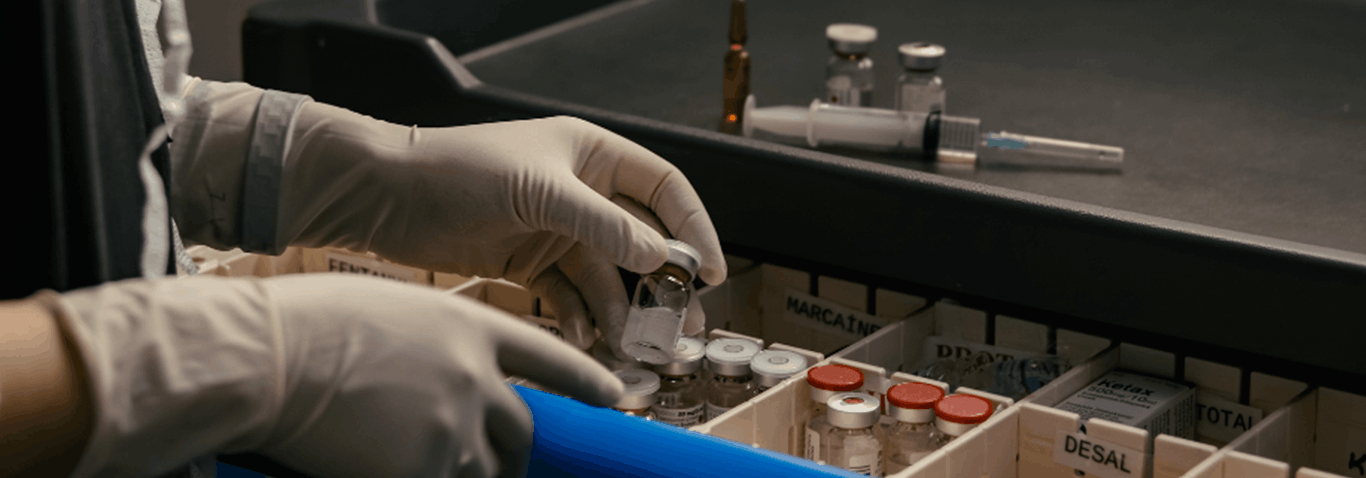
In pharmaceutical manufacturing, raw materials, particularly Active Pharmaceutical Ingredients (APIs) and excipients, require careful handling and storage. Many of these materials are temperature and humidity-sensitive, meaning that improper storage can compromise product quality, shorten shelf life, or even render the batch unusable. A well-designed cold room is therefore a critical piece of a pharmaceutical facility’s infrastructure, ensuring stability, compliance, and operational efficiency.
In this article, we delve into cold room design strategies for pharmaceutical raw materials, focusing on essential topics:
- Segregating APIs and excipients within cold room storage
- Coldroom design strategies to reduce cross-contamination risks
- Industrial cold room layouts aligned with GMP expectations
We support each key area with real-world examples and case studies to help logistics managers, engineers, and pharma practitioners understand best practices and tangible benefits.
Segregating APIs and Excipients within Cold Room Storage
APIs often have stricter environmental requirements than excipients. Some APIs are hygroscopic, light sensitive, or require tight temperature control (e.g., 2–8 °C), while many excipients tolerate broader conditions. Segregation ensures that each class of raw material remains stable and uncontaminated.
Why Segregation Matters
Proper segregation helps:
- Prevent cross-contamination (API particles migrating to excipient lots)
- Maintain assay integrity (particularly for potent compounds)
- Reduce risk of mix-ups during production
- Support traceability and quality documentation
In GMP (Good Manufacturing Practice) environments, regulators expect clear separation between:
- High-risk APIs
- Excipients
- Placebo or non-active materials
- Quarantined or rejected stock
A poorly planned cold room that mixes APIs with excipients on the same shelving without controls invites risk of chemical transfer, dust dispersion, or human error.
Design Strategies for Segregation
To achieve effective segregation within cold rooms:
1. Dedicated Zones
Designate physical zones or sub-areas within the cold room that are clearly marked and separated. For example:
- API Zone (temperature-controlled, with restricted access)
- Excipients Zone (buffer, may be slightly less restrictive)
- Quarantine/Rework Zone (for new or suspect lots)
Well-designed zones use physical barriers, panel partitions, or even separate doors for each category.
2. Access Control and Signage
Access control systems (e.g., badge readers) ensure only authorised personnel enter high-risk storage areas, reducing the chance of accidental contact between materials. Clear signage and colour-coded rack labels further reinforce segregation.
Case Example: API vs. Excipient Zones in a Singapore Facility
A contract manufacturing organisation (CMO) in Singapore constructed a cold room with discrete zones: one for APIs requiring 2–8 °C, and another for excipients that could remain stable at 8–15 °C. The API zone featured tighter access controls and dedicated shelving. Inventory accuracy improved, and internal audit findings related to raw material handling dropped by 60% within one year.
Coldroom Design Strategies to Reduce Cross-Contamination Risks
Cross-contamination is one of the most pernicious risks in pharmaceutical storage. Unlike overt contamination (e.g., spills), cross-contamination involves the unintended transfer of particles or residues from one material to another, often invisible until analytical testing reveals it. Cold rooms must therefore be engineered to minimise this risk.
1. Controlled Airflow and Separation
Airflow must be managed so that dust or particulate from one storage zone does not migrate into another. Techniques include:
- Directional airflow: Set up air circulation that gently moves air in a controlled direction often from clean to less-critical areas.
- HEPA-filtered returns: High-efficiency particulate air (HEPA) filters help remove airborne particulates.
- Separate return pathways: Avoid a single common return air system that pulls air across zones.
A facility storing highly potent APIs implemented zoned airflow with independent evaporator coils and dedicated return paths. After installation, particle monitoring showed a significant reduction in cross-zone particulate counts.
2. Shelving Layout and Material Handling Paths
Racks, shelves, and aisle design influence the ease of material handling and the likelihood of contamination. Some best practices include:
- Perpendicular racking relative to airflow: Reduces stagnation zones
- Clear, wide aisles: Enables safer transfer of materials without close proximity to other zones
- Dedicated handling equipment per zone: Including forklifts, pallet jacks, and carts assigned by zone
Case Example: Dedicated Equipment for API Storage
A mid-sized biotech company assigned separate pallet jacks to its API cold zone. Staff noted reduced instances of cross-zone dust transfer, and visual cleaning was easier with less residual material present a clear operational improvement.
3. Hygienic Wall and Floor Materials
Cold rooms should be constructed with smooth, cleanable surfaces that resist microbial growth and chemical degradation:
- High-density PU or PIR panels
- Coved wall-to-floor junctions
- Non-porous flooring with chemical resistance
Such materials make cleaning protocols more effective and reduce places where particulate or residue can lodge.
Industrial Cold Room Layouts Aligned with GMP Expectations
GMP guidelines for pharmaceutical storage stress consistency, traceability, and environmental control. Cold room design must incorporate features that support these expectations.
1. Validated Temperature and Monitoring Systems
Cold rooms for raw pharmaceutical materials should include:
- Continuous monitoring with digital logging
- Alarms for excursions beyond target ranges
- Redundant sensors and calibration protocols
- Audit trails for temperature data
Validation (IQ/OQ/PQ) before commissioning is critical, and ongoing calibration ensures reliable data integrity.
Example: Advanced Monitoring Implementation
At a GLP (Good Laboratory Practice)-certified facility, the central cold room serving raw material storage integrated a cloud-based monitoring system that provided real-time alerts and long-term trending. During an unexpected compressor issue, the system alerted technicians, enabling quick corrective action with no impact on material quality.
2. Separation of Workflow Areas
GMP stresses logical workflow from receipt to storage to usage. Cold room layouts that support workflow separation minimise risk of procedural errors:
- Receiving and inspection area located adjacent to cold room entry
- Quarantine staging outside the main storage
- Approved stock zones clearly demarcated
Case Study: Controlled Workflow at Coldroom Entry
A pharma distributor in Malaysia redesigned its cold room entry to include a separate quarantine bay with pass-through doors. Incoming raw materials were inspected, quarantined, and only moved into storage after QC approval. This reduced unqualified material from entering active stock by 40% within one quarter.
3. Redundancy and Backup Planning
Industrial cold room design must also account for reliability:
- Redundant refrigeration units
- Emergency power backups
- Rapid recovery capacity
These features help maintain GMP compliance during system faults or maintenance periods.
Examples and Case Studies
Case Study 1: Segregated API and Excipient Storage in a Centralised Plant
A contract manufacturer serving nutraceutical and pharmaceutical clients redesigned its cold storage to separate APIs (2–8 °C) from excipients (10–15 °C). Using modular partition panels and independent temperature controls, they achieved:
- Clear physical boundaries between zones
- Reduced risk of cross-contamination
- Better compliance with storage protocols
QC audit performance improved, and customer complaints related to storage issues dropped significantly.
Case Study 2: Airflow Optimisation in a High-Volume Coldroom
A regional distributor observed inconsistent lot performance for a sensitive biologic. Temperature mapping and airflow studies revealed dead zones where chilled air circulation was poor. After implementing ducting adjustments and repositioning evaporators, the facility achieved more consistent temperatures eliminating the previously observed variance.
Case Study 3: GMP-Aligned Monitoring for Regulatory Compliance
A pharmaceutical storage provider implemented an integrated temperature monitoring and alert system with automated reporting. This enabled instant notification of deviations, secure audit logs, and improved accountability. During a routine regulatory inspection, the temperature validation logs were cited as a best practice, supporting the client’s confidence and compliance posture.
Conclusion
Cold room design for pharmaceutical raw material storage is a vital aspect of modern pharmaceutical operations. It requires:
- Strategic segregation of APIs and excipients to preserve product integrity
- Thoughtful contamination control measures such as zoned airflow and workflow layouts
- Industrial designs that support GMP compliance, operational traceability, and system resilience
By adopting best practices and implementing robust design strategies, pharmaceutical manufacturers, distributors, and logistics providers ensure safer storage, reduced risk, and dependable quality even in the most demanding supply chain environments.
For organisations seeking reliable and compliant solutions, Kiat Lay Coldroom provides specialised cold room design and installation tailored for pharmaceutical and industrial applications. Our team works closely with clients to develop cold storage systems that meet strict regulatory requirements while supporting efficient facility operations. Contact Kiat Lay Coldroom today to discuss your pharmaceutical cold storage requirements.