


Cold Room Construction for Inland Container Depots: Building Efficient Coldroom Systems
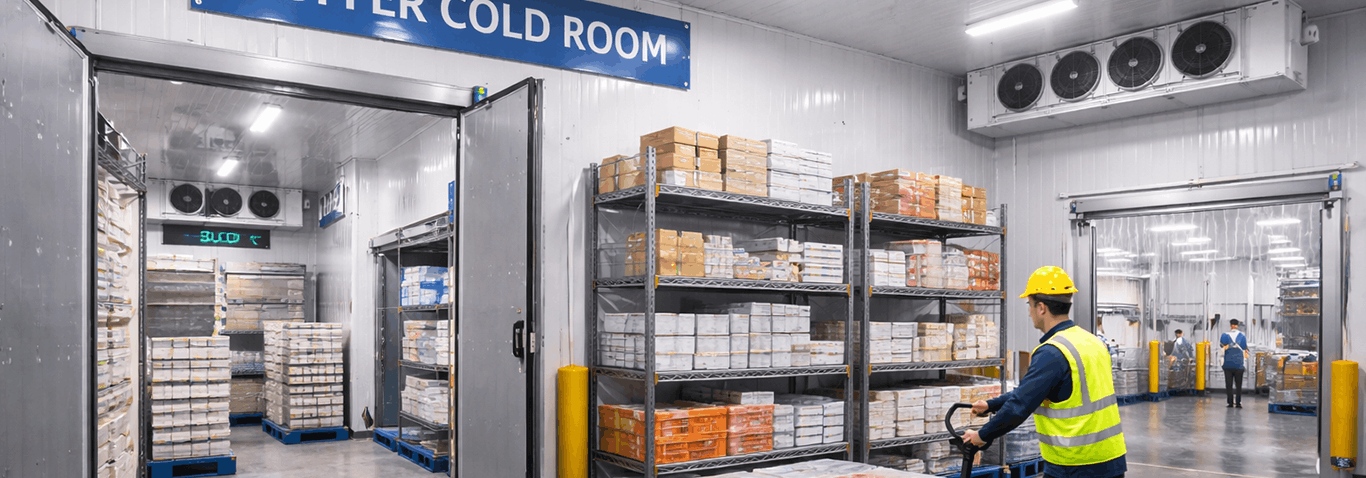
Refrigerated cargo is a core part of today’s global supply chain, covering everything from seafood and fresh produce to temperature-sensitive pharmaceuticals. Inland Container Depots (ICDs) serve as key connection points between seaports, rail networks, and road transport. These facilities must ensure that cargo remains within strict temperature ranges while waiting for clearance, transfer, or processing.
Designing an inland container depots coldroom is very different from building a standard warehouse freezer or a small commercial chiller. These systems must handle fluctuating volumes, constant movement, and strict regulatory requirements. They also need to remain reliable over longer storage periods when delays occur.
This article looks at three key areas of inland container depots coldroom construction:
- Managing refrigerated cargo during customs clearance
- Planning buffer storage zones
- Choosing materials that can withstand industrial use
Managing Refrigerated Cargo in Inland Container Depots Coldroom During Customs Clearance
When refrigerated containers arrive at an ICD, they are often held while customs clearance is completed. This process can take a few hours or extend to several days. During this time, maintaining stable temperatures is critical, especially for goods with narrow tolerance ranges.
Purpose-Built Coldroom Zones for ICD Operations
Modern inland container depots coldroom systems include dedicated holding areas located close to container yards. These spaces act as transition zones once cargo is removed from refrigerated containers but not yet released.
Key features include:
Direct access from container yards
Dock openings or insulated transfer corridors help reduce exposure to ambient temperatures during movement.
Rapid offloading zones
Staging areas positioned near transfer points help limit temperature fluctuations during handling.
Customs inspection within cold environments
Inspections and certifications can be carried out inside the coldroom so cargo stays within the required temperature range even when opened.
Airflow Design and Temperature Recovery
Temperature changes are common during inspections and transfers. A well-designed inland container depots coldroom should include:
- High-capacity evaporators
- Proper airflow layout to prevent uneven cooling
- Zoned refrigeration systems that recover temperature quickly
For example, a Singapore ICD handling chilled meat imports installed high-efficiency refrigeration systems that restore temperature quickly after repeated door openings during inspections.
Case Example: Chilled Seafood Imports
At a cross-border ICD servicing seafood imports from regional fishing ports, refrigerated freight is often held for up to 48 hours pending customs sampling. A dedicated walk-in chiller, connected via insulated transfer corridors, allowed customs agents to inspect selected boxes without disrupting the broader cold chain. This reduced holdover times and maintained quality throughout the clearance process, with measurable drops in spoilage claims.
Designing Buffer Zones in Inland Container Depots Coldroom Systems
Buffer zones help manage changing cargo volumes while keeping operations smooth and organised.
1. Flexible Buffer Storage Planning
An effective inland container depots coldroom includes buffer areas that support:
- Temporary holding before warehousing or distribution
- Cross-docking for quick transfers
- Storage while awaiting customs clearance
Key design considerations:
- Multiple temperature zones such as +2°C to +8°C for chilled goods and –18°C for frozen items
- Adjustable racking systems to handle volume changes
- Cross-docking lanes to reduce unnecessary storage time
This approach improves flow while keeping space requirements efficient.
2. Strategic Placement Near Intermodal Access Points
Coldrooms should be placed in line with overall depot traffic flow to reduce handling time:
- Close to rail unloading areas
- Near highway access routes
- Adjacent to transloading platforms
A Malaysian inland depot placed its cold buffer zone beside a rail spur, allowing direct unloading into chilled corridors and reducing double handling.
3. Smart Zoning for Storage and Dispatch
A well-planned inland container depots coldroom separates operations into zones:
- Short-term staging under 24 hours
- Medium dwell storage between 24 and 72 hours
- Holding areas for cargo awaiting documentation or inspection
Each zone supports different operational needs while maintaining consistent temperature control.
Durable Materials for Inland Container Depots Coldroom Construction
ICDs operate in demanding environments with heavy equipment, frequent movement, and exposure to moisture. Coldrooms must be built to handle these conditions over time.
1. High-Performance Insulation Panels
Coldroom panels need to withstand:
- Impact from forklifts
- Constant vibration
- Moisture and condensation
Common choices include high-density PU or PIR panels with reinforced edges and strong thermal resistance to reduce energy loss.
2. Industrial-Grade Flooring Systems
Coldroom flooring must support heavy use while maintaining safety:
- Reinforced concrete slabs
- Anti-slip finishes
- Chemical-resistant coatings
Proper drainage design helps prevent water buildup and keeps the space safe and easy to maintain.
3. Heavy-Duty Doors and Sealing Systems
Doors are used frequently in ICD environments, so durability is important:
- High-speed insulated doors
- Heated frames to prevent ice formation
- Long-lasting seals that maintain airtight conditions
These features help reduce temperature loss and improve efficiency.
4. Corrosion-Resistant Components
To handle moisture and cleaning processes, materials should include:
- Stainless steel
- Aluminium alloys
- Protective coatings such as epoxy
These choices improve lifespan and support hygiene standards.
Case Examples and Performance Outcomes
Case Study: Multi-Temperature ICD Buffer in Singapore
An ICD near Jurong Port implemented a multi-temperature buffer coldroom to support seafood and pharmaceutical imports. Features included:
Dedicated chills (+2°C to +8°C) and freezers (–18°C)
Integrated customs inspection zones within the buffer
Redundant refrigeration systems for high availability
This design reduced average dwell time within buffer zones by 22% and helped maintain product integrity through customs delays.
Case Study – Durable Cold Room Floors for Heavy Traffic
At an inland depot serving chilled beverages and wholesale FMCG, freezer room flooring was upgraded to reinforced concrete with industrial polymer coating. The outcome:
Elimination of floor cracks under heavy pallet traffic
Reduced operational downtime for maintenance
Improved safety and hygiene compliance
Building High-Performance Inland Container Depots Coldroom Systems
Coldroom construction for inland container depots comes with specific operational demands. Facilities need to manage customs delays, handle fluctuating volumes, and operate reliably in industrial conditions.
A well-designed inland container depots coldroom helps improve cargo protection, supports faster turnaround, and strengthens overall cold chain performance.
Kiat Lay provides industrial coldroom solutions built for these environments, helping ICD operators maintain efficiency and meet the growing demands of modern logistics.
Looking to upgrade or build an inland container depots coldroom? Get in touch with Kiat Lay to discuss a solution tailored to your operational needs.