


Cold Room Design for Returns and Reverse Logistics
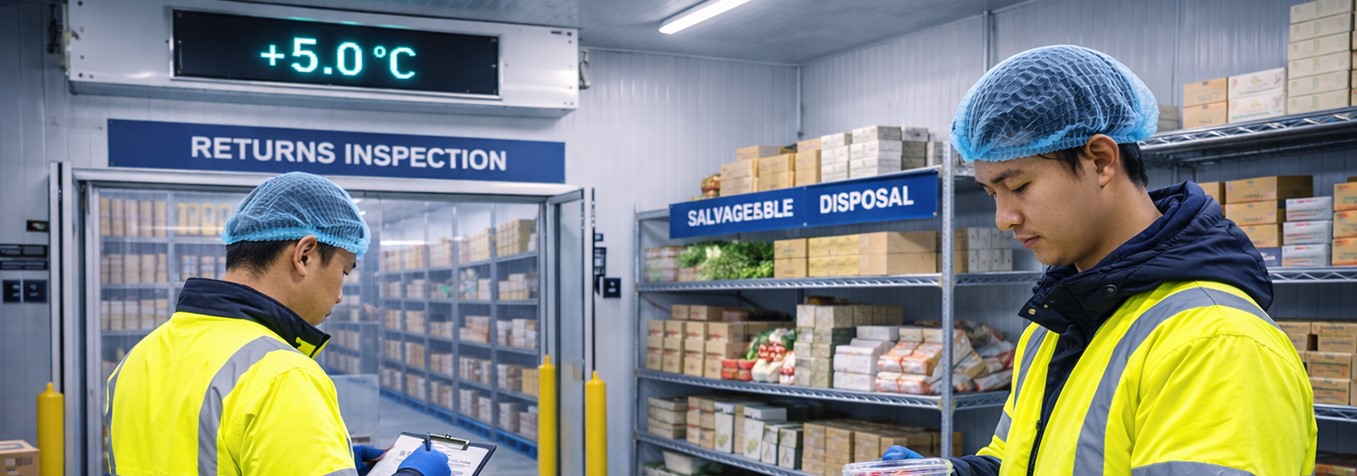
As supply chains grow more complex, returns and reverse logistics have become a critical part of operations for businesses handling temperature-sensitive goods. Industries such as food distribution, pharmaceuticals, hospitality, and e-commerce must manage returned products carefully to prevent spoilage and maintain compliance.
Returned goods often require immediate temperature stabilisation, making cold room design for reverse logistics essential for protecting product value and ensuring safety.
This guide explores how purpose-built cold room design supports the safe handling, inspection, and storage of returned goods while improving recovery rates and reducing operational risk.
Why Cold Room Design Matters in Reverse Logistics
Returns are unpredictable. Products may arrive with temperature exposure, damaged packaging, or incomplete documentation.
A dedicated cold room for returns ensures:
- Rapid temperature stabilisation
- Controlled inspection and sorting
- Clear separation from outbound inventory
- Compliance with food safety and pharmaceutical standards
Without proper cold room design, returned goods can quickly become unusable, increasing waste and financial losses.
Handling Temperature-Controlled Returned Goods Safely
Returned items often arrive in unstable conditions due to transport delays or handling issues.
Rapid Stabilisation of Returned Products
Cold room design for reverse logistics must prioritise immediate temperature recovery.
Key features include:
- Buffer temperature zones near receiving bays
- Rapid pull-down refrigeration systems
- Dedicated intake areas for returned goods
This prevents further temperature deviation and protects product integrity during initial handling.
Quarantine and Segregation of Returns
Returned goods should never be mixed with active inventory.
Effective cold room storage strategies include:
- Segregated quarantine zones
- Clearly labelled intake racks
- Controlled access for inspection teams only
Example:
A food distribution hub in Singapore introduced a +2°C to +4°C returns cold room near its loading dock. Returned dairy and fresh produce are stabilised immediately, reducing spoilage while quality checks are performed.
Preventing Spoilage During Inspection and Sorting
Inspection is a high-risk stage where temperature exposure can occur.
Temperature-Controlled Inspection Areas
Cold room design should integrate inspection workflows within the controlled environment.
This includes:
- Temperature-controlled workstations
- Insulated rapid-roll doors
- Hygienic, easy-clean surfaces for safe handling
Keeping inspection inside the cold room eliminates unnecessary movement and maintains consistent temperature conditions.
Cold Chain Integrity for Sensitive Products
For pharmaceuticals and clinical materials, temperature control must be maintained at all times, including during inspection.
Case scenario:
A pharmaceutical logistics provider installed a multi-compartment cold room with inspection benches maintained at +5°C. This allowed verification of returned stock without breaking cold chain compliance.
Cold Room Storage Workflows for Reverse Logistics
Reverse logistics requires structured decision-making.
Returned goods are typically classified into:
- Approved for restocking
- Approved for redistribution
- Pending further checks
- Rejected for disposal
Zoning for Efficient Workflow Management
Cold room design should support clear workflow segmentation through zoning.
Key elements include:
- Separate racking zones for each category
- Colour-coded floor markings
- Clear signage for operational guidance
- Integrated digital monitoring systems
This structured layout reduces human error and improves traceability.
Operational Example: Zoning in Practice
An e-commerce grocery fulfilment centre implemented a three-zone cold room:
- Returns intake and inspection
- Approved stock holding
- Rejected goods isolation
This approach reduced handling time and prevented cross-contamination with outbound orders.
Supporting Compliance and Documentation
Returns processes are often audited more closely than outbound logistics.
Audit-Ready Cold Room Design
Cold rooms for reverse logistics should include:
- Continuous temperature monitoring systems
- Automated alerts for deviations
- Accessible digital logs for audits
SOP Integration and Validation Support
Cold room environments must support standard operating procedures and validation processes.
This includes:
- Displayed SOP guidelines
- Maintenance and calibration records
- Design features that support validation and re-validation activities
In regulated markets such as Singapore, these elements are essential for compliance.
Reducing Losses with Effective Cold Room Design
Returned goods represent both risk and recovery potential.
Well-designed cold rooms help businesses:
- Extend usable shelf life
- Improve recovery rates
- Reduce waste disposal costs
- Maintain brand reputation and customer trust
Without proper storage, even salvageable products may need to be discarded due to uncertainty.
Designing for Scalability and Flexibility
Returns volumes fluctuate due to seasonality and operational changes.
Flexible Cold Room Configurations
Modern cold room design should allow for future expansion and adaptation.
Features include:
- Modular panel systems
- Adjustable racking layouts
- Flexible airflow configurations
This ensures the cold room can evolve with business needs without major redesign.
Best Practices for Reverse Logistics Cold Room Design
- Implement dedicated returns cold rooms separate from main storage
- Use zoning to support inspection and decision workflows
- Maintain continuous temperature monitoring
- Train staff on handling returned goods
- Regularly review and optimise cold room workflows
FAQs
Why is a dedicated cold room needed for returns?
A dedicated cold room prevents returned goods from contaminating active inventory and allows proper inspection under controlled conditions.
What temperature should returned goods be stored at?
This depends on the product type, but items should be stabilised at their required storage temperature immediately upon arrival.
How can businesses reduce spoilage in reverse logistics?
By using rapid temperature stabilisation, proper zoning, and continuous monitoring within a dedicated cold room environment.
What are the key features of reverse logistics cold room design?
Key features include buffer zones, inspection areas, segregated storage zones, and integrated monitoring systems.
How does cold room design support compliance?
It ensures proper temperature control, documentation, and traceability required for audits and regulatory standards.
Turning Returns into a Controlled Process
Reverse logistics is now a core part of cold chain operations.
Cold room design for returns ensures safe handling, protects product value, and supports compliance at every stage.
By integrating dedicated cold storage into reverse logistics workflows, businesses can reduce waste, improve recovery rates, and operate with greater control and efficiency.