


Cold Room Storage Strategies for Imported Ingredients in Hotels
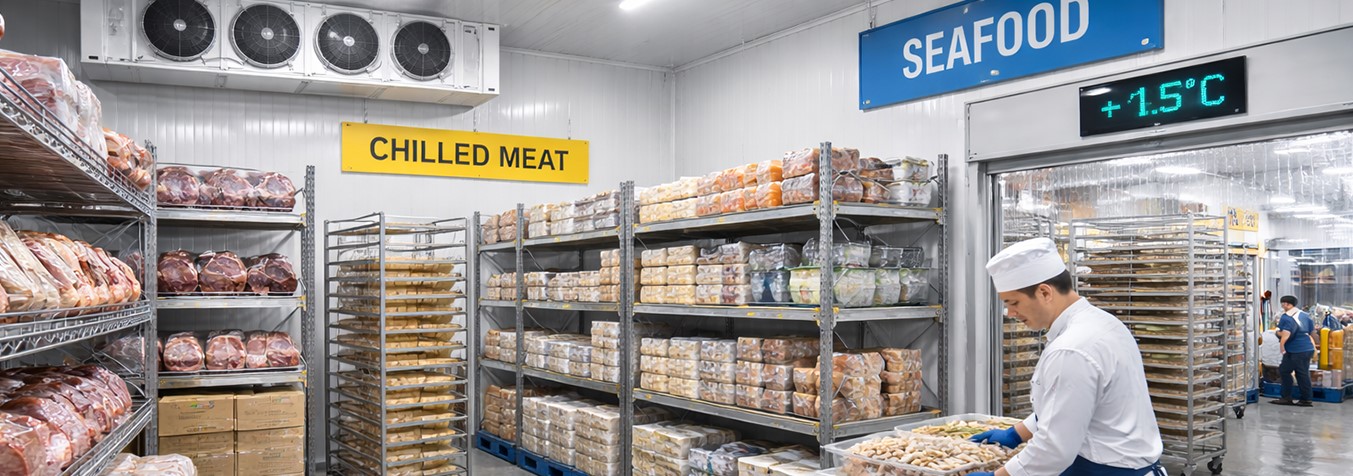
Hotels that rely on premium imported ingredients face unique cold storage challenges. From Australian beef and Japanese seafood to European dairy and specialty cheeses, these products travel long distances before reaching hotel kitchens.
Once received, maintaining freshness, food safety, and consistency depends entirely on effective cold room storage systems. Poor temperature control or outdated coldroom design can lead to quality loss, increased waste, and compliance risks.
This guide outlines practical cold room storage strategies for imported ingredients, focusing on temperature control, multi-temperature zoning, and coldroom design for extended storage.
Why Cold Room Storage Matters for Imported Ingredients
Imported ingredients are more vulnerable to degradation due to extended transit times and handling stages. By the time they reach hotels, they require immediate stabilisation under controlled conditions.
Well-planned cold room storage helps hotels:
- Preserve texture, flavour, and nutritional value
- Reduce spoilage and food waste
- Maintain food safety compliance
- Protect high-value inventory
Maintaining the Quality of Premium Imported Meats and Seafood
Imported meats and seafood are highly sensitive to temperature fluctuations. Even small variations can affect texture, flavour, and shelf life.
Stabilising Products After Long Transit
Cold room storage must rapidly stabilise imported ingredients upon arrival and maintain consistent conditions throughout storage.
Key considerations include:
- Tight temperature control for chilled and frozen products
- Stable humidity levels to prevent drying or condensation
- Minimal temperature fluctuation during door openings
For example:
- Wagyu beef requires storage close to 0°C to preserve marbling
- Sashimi-grade seafood needs precise chilling to maintain freshness
Hotels with properly designed walk-in chillers and freezer rooms reduce product rejection and maintain consistent culinary quality.
Protecting High-Value Inventory
Imported ingredients are costly. Any lapse in coldroom performance can result in significant financial loss.
Coldroom design should prioritise:
- Consistent airflow distribution
- Adequate refrigeration capacity
- High-quality insulation
A Singapore luxury hotel reduced seafood spoilage during peak periods after upgrading its cold room system, improving cost control while maintaining menu standards.
Multi-Temperature Cold Room Storage Zoning
Hotels rarely store all imported ingredients at the same temperature. Multi-temperature zoning is essential for efficient cold room storage.
Separating Chilled and Frozen Imports
A common issue in hotel kitchens is storing different products in a single cold room.
Effective coldroom design separates:
- Walk-in chillers for meats, dairy, and fresh seafood
- Freezer rooms for frozen imports
- Dedicated zones for premium or highly sensitive ingredients
This zoning improves temperature stability and simplifies kitchen operations during busy service periods.
Reducing Cross-Contamination Risks
Cold room storage zoning also improves food safety.
Best practices include:
- Separating raw proteins from ready-to-use items
- Isolating allergen-sensitive ingredients
- Creating clearly defined storage zones for different categories
For hotels managing halal or allergen-specific menus, proper zoning is essential for compliance and operational control.
Coldroom Design for Extended Holding Periods
Imported ingredients are often stored longer than locally sourced items due to shipping schedules and bulk purchasing.
Coldroom design must support extended storage without compromising quality.
Ensuring Long-Term Temperature Stability
Extended storage requires cold rooms designed for consistent, long-duration performance.
Key design elements include:
- High-performance insulation panels
- Vapour barriers to prevent ice formation
- Refrigeration systems sized for continuous operation
Freezer room construction for imported ingredients should prioritise stability over rapid turnover.
Smart Monitoring and Inventory Control
Longer storage periods increase the need for monitoring.
Modern cold room storage systems include:
- Digital temperature monitoring
- Automated alerts for deviations
- Data logging for food safety and audit tracking
A five-star hotel improved shelf life by identifying temperature recovery issues through smart monitoring and adjusting workflows accordingly.
Designing Cold Rooms for Kitchen Efficiency
Cold room storage must align with daily kitchen operations.
Strategic Cold Room Placement
Cold rooms storing imported ingredients should be:
- Located near preparation areas
- Designed for easy access
- Organised to minimise door opening time
This reduces temperature exposure and improves workflow efficiency.
Flexible Storage for Changing Menus
Hotel menus change seasonally.
Flexible coldroom design allows:
- Adjustable shelving systems
- Modular storage layouts
- Easy reconfiguration for new ingredient categories
This is especially useful for hotels hosting events or rotating international menus.
Case Example: Upgrading Cold Room Storage for Imported Ingredients
A premium Singapore hotel expanded its use of imported seafood and meats for a new dining concept. However, its existing cold room faced overcrowding and inconsistent temperatures.
After upgrading to a multi-zone cold room storage system, the hotel achieved:
- Improved temperature consistency
- Better stock organisation
- Reduced spoilage
The new coldroom design supported both operational efficiency and food safety compliance.
Best Practices for Cold Room Storage in Hotels
- Use multi-temperature zoning to match product requirements
- Implement clear labelling and inventory tracking
- Maintain strict temperature monitoring and alerts
- Conduct regular maintenance and inspections
- Train kitchen staff on proper cold room handling procedures
FAQs
What temperature should imported ingredients be stored at?
Chilled items are typically stored between 0°C and 4°C, while frozen products require temperatures of –18°C or lower depending on product type.
Why is multi-temperature zoning important in hotels?
It ensures different ingredients are stored under optimal conditions, reducing spoilage and maintaining food quality.
How can hotels reduce spoilage of imported ingredients?
By using stable cold room storage, proper zoning, and continuous temperature monitoring systems.
What is the ideal coldroom design for hotels?
An effective design includes separate chilled and frozen zones, strong insulation, reliable refrigeration systems, and easy workflow access.
How do cold rooms support food safety compliance?
They maintain consistent temperatures, prevent contamination, and provide monitoring records for audits.
Cold Room Storage – Key to Culinary Consistency
Cold room storage for imported ingredients is not just a backend function. It plays a direct role in food quality, cost control, and guest satisfaction.
With proper coldroom design, multi-temperature zoning, and reliable monitoring systems, hotels can protect high-value ingredients and deliver consistent dining experiences.
For hospitality businesses relying on imported ingredients, investing in the right cold room storage strategy is essential for long-term success.