


Cold Room Storage Planning for Clinical Trial Materials
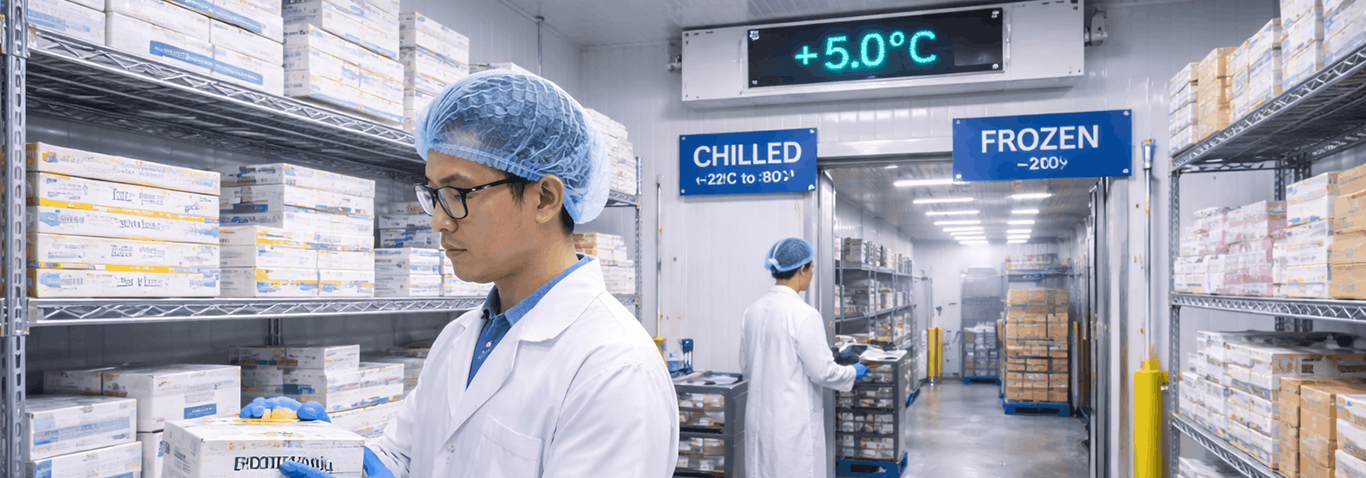
Clinical trials are complex endeavours involving multiple phases of investigational medicinal products (IMPs), specimens, and biologics whose quality and stability depend on tightly controlled environments. From early feasibility studies to large-scale phase III distribution networks, clinical trial materials require precise temperature management throughout their lifecycle.
Without a reliable cold chain, study integrity and patient safety can be compromised, leading to invalid data, regulatory delays, and financial losses.
Effective cold room storage planning for clinical trial materials requires a strategic combination of secure handling, multi-zone cold room design, and audit-ready infrastructure. In this guide, we outline proven strategies for building compliant cold storage environments, along with real-world examples.
Handling Investigational Medicinal Products Securely
Investigational medicinal products are central to clinical trials. These include small molecules, biologics, vaccines, and combination therapies, each with unique temperature sensitivities.
1. Security and Access Control Systems
Because clinical trial materials are highly regulated, secure cold room storage is just as critical as temperature control. Facilities should include:
- Access control systems such as keycards or biometric authentication
- Segregated storage zones for different compounds
- Digitised access logs for full traceability and audit compliance
Controlled access reduces the risk of product mix-ups, tampering, or unauthorised handling, all of which can compromise trial validity.
2. Dedicated IMP Storage Zones
Rather than mixing IMPs with general lab inventory, best practice is to implement dedicated zones within a multi-zone cold room design.
These zones typically include:
- Separate shelving or walk-in sub-compartments
- Clearly labelled and barcode-scanned inventory racks
- Independent monitoring and alarm systems per zone
Physical and operational segregation improves chain-of-custody control and minimises cross-contamination risks.
Case Example: IMP Storage in a Phase II Vaccine Trial
At a clinical research facility managing a phase II vaccine trial, IMPs were stored in a dedicated walk-in chiller with restricted access. Staff used electronic badges linked to individual identities.
When a temperature fluctuation occurred over a weekend, automated alerts triggered an immediate response, preventing any deviation. All actions were logged, ensuring compliance and preserving batch integrity.
Multi-Zone Cold Room Design for Clinical Trial Phases
Clinical trials progress through multiple stages, each with distinct storage requirements. A well-planned multi-zone cold room design ensures materials are stored under optimal conditions at every phase.
1. Chilled, Frozen, and Ultra-Low Temperature Segregation
Different IMPs require different storage ranges:
- Chilled storage: 2 °C to 8 °C
- Frozen storage: around –20 °C
- Ultra-low storage: –80 °C or below
A single-temperature system is insufficient for modern clinical trials. Instead, facilities should adopt:
- Chilled zones for routine IMPs
- Freezer zones for long-term storage
- Ultra-low modules for sensitive biologics
This multi-zone cold room design prevents temperature exposure risks caused by frequent access to mixed materials.
2. Phase-Based Storage Transition Areas
As materials move through trial phases, storage requirements often change. For example:
- Early-phase materials may remain in small lab cold rooms
- Mid-phase batches transition to GMP-compliant storage
- Late-phase supplies require high-capacity distribution hubs
Cold rooms should include buffer zones to support smooth transitions without temperature disruption.
Case Example: Multi-Zone Clinical Logistics Hub
A logistics provider implemented a multi-zone cold room design with distinct chilled, frozen, and ultra-cold sections. Each zone was integrated with a laboratory information management system.
Every movement between zones was digitally tracked, creating a clear audit trail and ensuring all materials remained within validated temperature ranges.
Audit-Ready Cold Room Storage Environments
Regulatory bodies such as HSA, FDA, and EMA require full transparency in how clinical materials are stored.
An audit-ready cold room ensures continuous compliance, traceability, and documentation readiness.
1. Continuous Temperature Monitoring
Reliable monitoring systems should include:
- Calibrated sensors placed at multiple points
- Redundant data logging systems
- Cloud-based backups with real-time visibility
- Automated alerts for temperature excursions
These systems provide time-stamped records essential for inspections and deviation analysis.
2. Validation and Calibration Protocols
Cold storage systems must undergo:
- Installation Qualification (IQ)
- Operational Qualification (OQ)
- Performance Qualification (PQ)
Routine calibration ensures equipment accuracy and maintains regulatory compliance.
3. SOP Integration and Staff Training
Cold room operations must be supported by:
- Documented Standard Operating Procedures
- Staff training and certification records
- Emergency response protocols
Well-maintained SOPs and training logs strengthen audit readiness and operational consistency.
Case Example: Successful Regulatory Audit
A biotech company passed a surprise regulatory audit with zero observations.
Their success was attributed to a well-structured multi-zone cold room design, calibrated monitoring systems, and comprehensive documentation. Auditors highlighted their rapid response system and accurate logs as best practice.
Key Design Considerations for Clinical Cold Rooms
1. Workflow and Facility Layout
Cold rooms should be positioned near receiving and dispatch areas but separated from general traffic zones to maintain controlled environments.
2. Insulation and Energy Efficiency
High-quality insulation panels, sealed doors, and efficient cooling systems help:
- Maintain consistent temperatures
- Reduce energy consumption
- Minimise temperature fluctuations during frequent access
3. Redundancy and Backup Systems
To prevent downtime, facilities should include:
- Backup compressors
- Emergency power supply such as UPS or generators
- Multi-layer alarm systems with escalation protocols
Best Practices for Cold Room Operations
- Standardised labelling systems for all clinical materials
- Cross-functional collaboration between QA, clinical, and engineering teams
- Regular internal audits and mock inspections
- Digital inventory tracking for improved visibility and compliance
FAQs: Cold Room Storage for Clinical Trials
What is a multi-zone cold room design?
A multi-zone cold room design separates storage areas by temperature requirements, such as chilled, frozen, and ultra-low zones, to ensure optimal conditions for different clinical materials.
Why is cold room storage critical in clinical trials?
Cold room storage preserves the stability and efficacy of investigational products. Poor temperature control can compromise trial results and patient safety.
What temperature ranges are used for clinical trial materials?
Common ranges include 2 °C to 8 °C for chilled storage, –20 °C for frozen storage, and –80 °C for ultra-low temperature storage.
How do cold rooms support regulatory compliance?
They provide continuous monitoring, validated storage conditions, and detailed documentation required by regulatory authorities.
What are the key features of an audit-ready cold room?
Key features include calibrated sensors, automated logging, SOP documentation, staff training records, and alarm systems for temperature deviations.
Cold Room Planning as a Strategic Clinical Asset
Cold room storage for clinical trial materials goes beyond temperature control. It involves secure handling, intelligent multi-zone cold room design, and full audit readiness.
With the right infrastructure and operational planning, cold rooms become a strategic asset that supports compliance, protects product integrity, and ensures successful clinical outcomes.