


Designing Cold Rooms for Food Safety Compliance in Hotels
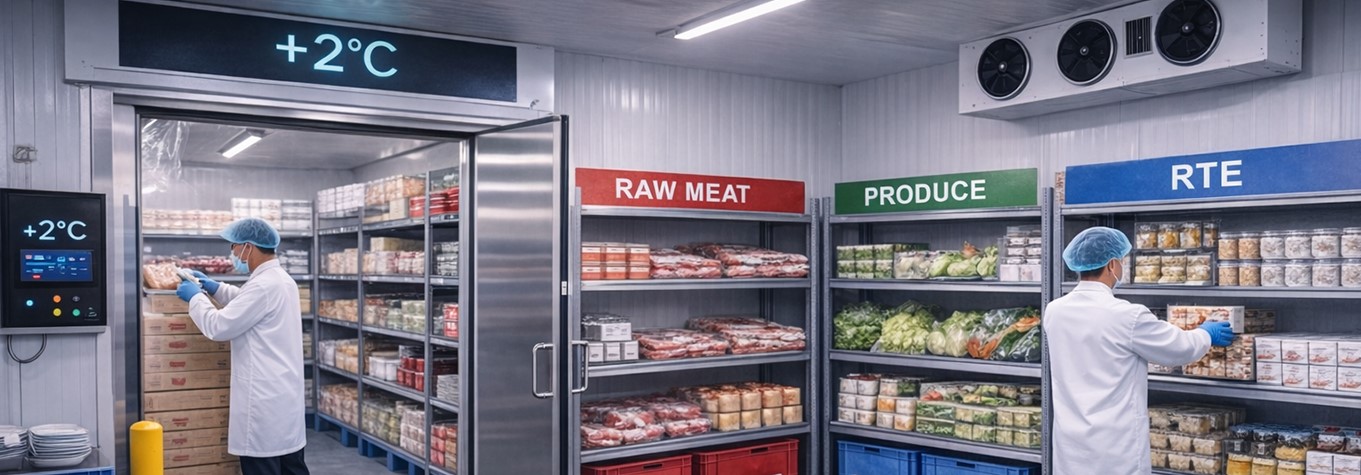
In hotel operations, food safety is not just a regulatory requirement. It is fundamental to brand reputation, guest trust, and operational continuity. From daily buffet service to banquets, room service, and specialty restaurants, hotel kitchens manage a wide range of ingredients with different storage risks. Poor cold room design can quickly lead to cross-contamination, temperature breaches, and failed audits.
Designing cold rooms with food safety compliance in mind allows hotels to protect ingredient quality, support smooth kitchen workflows, and meet the expectations of food safety inspections and audits.
For hotels in Singapore, properly designed cold rooms also help reduce operational disruptions, improve staff efficiency, and support long-term compliance with food safety standards.
Why Cold Room Design Matters in Hotel Kitchens
Hotels differ from standalone restaurants in both scale and complexity. A single property may operate multiple food outlets, central kitchens, banquet facilities, and room service operations simultaneously. Cold rooms are therefore exposed to constant movement, frequent door openings, and high-volume ingredient turnover throughout the day.
A well-designed cold room does more than maintain temperature. It creates clear physical separation between food categories, minimises handling mistakes, and supports food safety practices that kitchen staff can follow consistently during busy service periods.
Effective cold room layouts also help hotels maintain operational consistency during staff turnover, peak occupancy periods, and high-volume banquet operations.
Reducing Cross-Contamination Through Cold Room Design
Cross-contamination is one of the most common food safety risks in hotel kitchens. Raw meats, seafood, produce, and ready-to-eat items may share storage space if cold rooms are poorly planned.
Zoning Within Cold Rooms
Effective cold room design incorporates dedicated storage zones within the same room or across multiple rooms:
- Raw protein zones for meats and seafood
- Produce zones for vegetables and fruits
- Ready-to-eat zones for cooked or pre-prepared items
- Allergen-controlled zones where required
Clear zoning is achieved through physical layout planning, shelving placement, and colour-coded storage systems. For example, raw meats are typically stored on lower shelves to prevent drip contamination, while ready-to-eat items are placed on upper racks.
Case Example: Business Hotel Central Kitchen
A mid-sized business hotel in Singapore redesigned its main walk-in chiller after repeated audit observations. The upgraded cold room introduced segregated shelving bays with clear labelling and floor markings. Raw proteins were relocated to a separate entry-side zone, while cooked items were stored deeper inside the chiller with restricted access.
Following the redesign, the hotel recorded zero cross-contamination observations during subsequent inspections while improving overall kitchen workflow efficiency.
Temperature Control for Raw and Ready-to-Eat Ingredients
Maintaining correct storage temperatures is critical for preventing bacterial growth. Hotel cold rooms must support consistent temperature control despite frequent access and varied operational demands.
Dedicated Temperature Ranges
Cold room design should align with recommended storage temperatures:
- Raw meats and seafood: typically 0°C to 2°C
- Dairy and produce: around 2°C to 4°C
- Ready-to-eat items: stable low temperatures with minimal fluctuation
In larger hotels, multiple cold rooms or partitioned zones allow ingredients with different temperature requirements to be stored safely without compromise.
Managing Temperature Fluctuations
Frequent door openings during meal preparation and service hours can cause temperature instability. Design solutions include:
- High-speed or insulated cold room doors
- Air curtains at high-traffic entry points
- Strategically positioned evaporator units for even airflow
- Adequate aisle spacing to prevent airflow blockage
These measures help maintain stable internal temperatures even during peak breakfast service, banquet preparation, and large-scale event operations.
Consistent temperature control also reduces food spoilage, supports shelf-life management, and improves inventory reliability for hotel kitchens.
Supporting Audit and Inspection Requirements
Hotels are subject to routine inspections by regulatory authorities, food safety auditors, and internal brand compliance teams. Cold room design plays a significant role in demonstrating operational compliance.
Cleanable and Hygienic Materials
Cold rooms intended for hotel food storage should use materials that are:
- Non-porous and corrosion-resistant
- Easy to clean and sanitise
- Resistant to mould growth in humid environments
Wall panels, flooring, and shelving should withstand regular washdowns without degrading or harbouring bacteria.
Visibility and Traceability
Audit-ready cold rooms allow inspectors and kitchen managers to easily verify:
- Proper food segregation
- Clear labelling and date marking
- Unobstructed access to stored ingredients
- Accurate temperature displays and logs
Installing external temperature displays and digital monitoring systems allows staff to verify compliance without opening cold room doors unnecessarily, reducing temperature loss and inspection time.
Case Example: Luxury Hotel Audit Preparation
A luxury hotel preparing for an international brand audit upgraded its cold room layout to improve visibility and accessibility. Adjustable stainless-steel racking replaced fixed shelving, allowing inspectors to view all stored items without moving stock.
The improved layout helped the hotel achieve a top audit score while receiving positive feedback for cold room organisation and hygiene management.
Designing for Staff Workflow and Compliance
Even the best cold room design becomes ineffective if it does not support real kitchen workflows. Hotel kitchens operate under significant time pressure, especially during breakfast service, banquets, conferences, and large events.
Logical Access Planning
Cold rooms should be located close to food preparation areas to minimise unnecessary movement. Separate access points for receiving, storage, and kitchen preparation areas help reduce congestion and minimise cross-traffic between raw and cooked ingredients.
Clear Visual Cues
Design elements such as:
- Colour-coded shelving
- Floor markings
- Large, durable signage
…help staff follow food safety procedures instinctively, reducing reliance on repeated training alone.
Visual workflow systems are particularly valuable in hotels with rotating kitchen staff, outsourced manpower, or seasonal operations.
Long-Term Benefits of Food Safety-Focused Cold Room Design
Investing in proper cold room design delivers long-term operational benefits for hotels:
- Reduced food spoilage and waste
- Lower risk of foodborne incidents
- Faster audit preparation and smoother inspections
- Improved staff efficiency and confidence
- Stronger brand reputation and guest trust
For hotels with high staff turnover, a well-designed cold room acts as a built-in compliance system that guides correct handling behaviour even among new team members.
Hotels that prioritise food safety infrastructure are also better positioned to maintain service consistency during high occupancy periods and large-scale hospitality events.
Best Practices for Hotel Cold Room Compliance
Hotels can strengthen food safety compliance by implementing the following cold room design strategies:
- Separate raw and ready-to-eat storage zones
- Install airflow systems that support temperature stability
- Use hygienic, easy-to-clean construction materials
- Implement digital temperature monitoring systems
- Provide clear visual storage guidance for staff
- Design layouts that reduce unnecessary movement and congestion
- Plan cold room access around actual kitchen workflows
These measures help improve operational consistency while supporting safer food handling practices across hotel kitchens.
FAQs About Cold Room Design for Hotels
1. Why is cold room design important for hotel food safety?
Cold room design helps hotels maintain safe storage temperatures, reduce cross-contamination risks, support food hygiene compliance, and improve operational efficiency in busy kitchen environments.
2. What temperature should hotel cold rooms operate at?
Cold room temperatures vary depending on the food category. Raw meats and seafood are commonly stored between 0°C and 2°C, while produce and dairy products are typically stored between 2°C and 4°C.
3. How do hotels prevent cross-contamination in cold rooms?
Hotels reduce cross-contamination risks by separating raw and ready-to-eat foods, implementing colour-coded storage systems, using clear labelling, and designing dedicated storage zones.
4. What materials are best for hotel cold room construction?
Hotel cold rooms should use non-porous, corrosion-resistant, and easy-to-clean materials such as insulated wall panels, hygienic flooring, and stainless-steel shelving systems.
5. How can hotels maintain stable cold room temperatures during peak operations?
Hotels can improve temperature stability by installing insulated doors, air curtains, proper airflow systems, and digital monitoring solutions that reduce unnecessary door openings.
6. Do hotels require digital temperature monitoring systems?
Digital monitoring systems are highly recommended because they provide continuous temperature tracking, automated alerts, audit records, and easier compliance verification.
7. What are the benefits of separate cold rooms for different food categories?
Separate cold rooms or partitioned storage zones help maintain correct temperatures, reduce contamination risks, improve organisation, and support food safety compliance during inspections.
Build Safer and More Efficient Hotel Cold Rooms
Kiat Lay provides customised cold room solutions for hotels, hospitality kitchens, banquet facilities, and central food preparation environments. From hygienic cold room construction to temperature-controlled storage systems, our solutions are designed to support food safety compliance, operational efficiency, and long-term reliability.
Conclusion
Cold room design forms a critical foundation for food safety compliance in hotel operations. By reducing cross-contamination risks, maintaining stable temperatures, and supporting audit readiness, properly designed cold rooms help protect both guests and hotel brands.
For hotels managing complex kitchens and multiple food outlets, partnering with an experienced cold room specialist ensures storage environments are not only compliant but also practical for daily operational demands.
Thoughtful cold room design today helps hotels prevent costly compliance issues, reduce food waste, and maintain safe, efficient kitchen operations over the long term.
Contact Kiat Lay today to discuss your hotel cold room requirements and strengthen your food safety infrastructure.
Kiat Lay also provides cold room rental solutions in Singapore for hotels, events, temporary kitchen operations, and urgent storage needs requiring reliable temperature-controlled environments.