


Designing Freezer Rooms for High-Frequency Truck Dock Interfaces
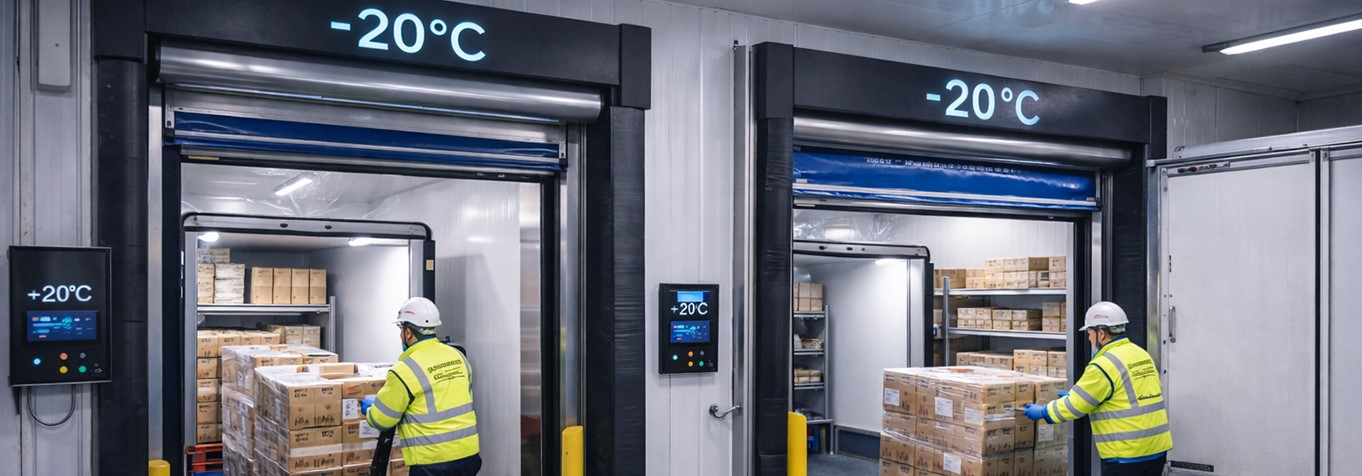
In high-volume logistics environments, freezer rooms connected directly to truck loading docks face one of the toughest operational challenges in temperature-controlled storage: constant door activity. Facilities handling frozen foods, pharmaceuticals, and temperature-sensitive cargo may experience dozens or even hundreds of dock cycles daily.
Without proper cold room design, every dock opening can lead to temperature fluctuations, energy loss, frost formation, and product spoilage.
For logistics operators, designing freezer rooms capable of handling high-frequency truck interface activity requires more than refrigeration power alone. Effective systems combine structural planning, airflow control, rapid-access technologies, and durable industrial construction to maintain stable storage conditions under demanding operational loads.
In Singapore’s fast-moving logistics sector, freezer room performance directly impacts cold chain reliability, operational efficiency, and regulatory compliance for temperature-sensitive cargo.
Why Dock-Connected Freezer Rooms Need Specialised Design
Unlike static storage cold rooms, dock-connected freezer facilities operate in highly dynamic environments. Every truck loading cycle introduces warm ambient air into the freezer room while allowing cold air to escape.
This creates operational challenges such as:
- Frequent temperature fluctuations
- Heavy forklift and pallet traffic
- Moisture intrusion and frost buildup
- Increased refrigeration demand
- Accelerated structural wear on floors and doors
Without appropriate freezer room design measures, these conditions may result in compressor overload, higher maintenance costs, unstable storage temperatures, and potential compliance issues.
Facilities serving supermarkets, pharmaceutical distributors, seafood exporters, and food processing operations are particularly vulnerable to these risks due to constant dispatch activity.
Minimising Temperature Loss at Dock Doors
One of the most critical aspects of freezer room design is controlling thermal exchange at loading points. Even short exposure periods can affect internal conditions, especially when multiple dock bays operate simultaneously.
1. Dock Vestibules and Buffer Chambers
Rather than connecting freezer rooms directly to outdoor loading areas, transitional buffer zones maintain intermediate temperatures that reduce thermal shock during loading operations.
Case Example
A regional frozen meat distributor upgraded its facility by installing a −5°C staging chamber between its −20°C freezer room and loading docks.
After implementation, temperature spikes during loading operations fell by more than 50%, while compressor cycling frequency decreased significantly.
2. Air Curtains and Strip Curtains
Industrial air curtains create invisible airflow barriers that reduce warm air infiltration during loading activities. PVC strip curtains add another protective layer by limiting air exchange while allowing forklift movement.
These systems help:
- Reduce refrigeration load
- Improve temperature recovery times
- Minimise frost formation near dock doors
3. Optimised Door Placement
Separating inbound and outbound loading areas improves traffic flow and reduces congestion around freezer room access points.
Some logistics facilities also implement directional loading layouts that streamline truck movement and reduce unnecessary door-open durations.
Efficient loading design helps maintain stable freezer temperatures even during peak dispatch periods.
The Role of Dock Shelters and Rapid Doors
High-frequency loading operations require specialised door systems designed for speed, insulation, and durability.
Traditional cold room doors are often unsuitable for busy logistics hubs where every second of exposure affects freezer performance.
Rapid-Action Doors
High-speed insulated doors open and close within seconds, reducing temperature exposure during loading and unloading activities.
Many systems include:
- Motion sensor activation
- Automated forklift detection
- Fast-closing insulated panels
Case Example
A pharmaceutical export hub handling temperature-sensitive injectables installed rapid-action insulated doors across its loading bays.
The upgrade improved temperature stability during dispatch operations while supporting compliance with pharmaceutical cold chain requirements during regulatory audits.
Dock Shelters
Dock shelters create a sealed interface between trucks and the building structure, preventing warm outside air from entering freezer rooms during loading.
Common systems include:
- Inflatable dock shelters
- Compression dock seals
- Insulated dock canopies
These systems improve:
- Thermal performance
- Energy efficiency
- Product protection during transfer
Integrated Dock Systems
Modern logistics facilities increasingly integrate rapid doors, dock levellers, and refrigeration controls into automated operational systems.
When trucks arrive, dock systems activate automatically to maintain controlled loading conditions and minimise environmental disruption.
Integrated loading systems improve workflow speed while strengthening freezer room temperature stability.
Structural Durability for Busy Logistics Hubs
Dock-connected freezer rooms operate under constant mechanical stress. Forklifts, pallet jacks, and heavy pallet loads place significant pressure on flooring systems, insulated panels, and door frames.
Industrial freezer room construction must therefore prioritise durability alongside thermal insulation performance.
Key Construction Features
- Reinforced insulated wall panels resistant to impact
- Heavy-duty low-temperature flooring systems
- Anti-slip floor surfaces for worker safety
- Industrial-grade doors designed for high-cycle usage
- Corrosion-resistant materials suitable for frozen environments
Impact Protection Measures
Industrial freezer rooms often include:
- Steel safety guards
- Corner protection systems
- Bollards around refrigeration equipment
- Reinforced wall protection panels
These features help reduce accidental damage caused by forklifts and loading equipment.
Case Example
A frozen seafood logistics operator serving regional export markets upgraded its freezer room flooring to a reinforced insulated slab system.
Following the upgrade, maintenance downtime caused by floor cracking and ice accumulation decreased significantly, improving operational reliability during peak export periods.
Airflow Management in Dock-Adjacent Freezer Rooms
Frequent dock activity can disrupt freezer room airflow patterns, leading to uneven cooling and localised warm zones.
Proper airflow engineering is therefore essential for maintaining consistent storage temperatures throughout the facility.
Effective Airflow Design Strategies
- High-velocity evaporator fans for rapid temperature recovery
- Strategic racking layouts that avoid airflow obstruction
- Ceiling-mounted air distribution systems for even cooling
- Controlled airflow zoning near loading areas
Some facilities also use computational airflow modelling during the design stage to simulate loading activity and optimise freezer room performance.
Well-managed airflow systems help maintain stable product temperatures even during continuous dock operations.
Energy Efficiency in High-Activity Freezer Facilities
Facilities with frequent truck movements experience higher refrigeration loads due to repeated door openings and temperature recovery demands.
However, energy-efficient freezer room design can significantly reduce operating costs without compromising cold chain performance.
Energy-Saving Design Features
- Variable-speed compressors that adjust cooling output dynamically
- High-performance insulation panels that reduce heat transfer
- Automated rapid doors that minimise open time
- LED lighting systems designed for low-temperature environments
These systems help operators maintain stable freezer conditions while reducing energy consumption and refrigeration strain.
Compliance Considerations for Dock-Integrated Freezer Rooms
Facilities handling food products, pharmaceuticals, seafood, or clinical cargo must comply with strict cold chain regulations.
Dock-connected freezer rooms are often considered high-risk operational zones during audits because of their exposure to frequent temperature fluctuations.
Compliance-Ready Freezer Room Features
- Continuous temperature monitoring systems
- Automated alarm notifications for deviations
- Data logging for audit documentation
- Clearly defined loading and transfer procedures
For logistics operators in Singapore and across Southeast Asia, maintaining detailed environmental records has become increasingly important for demonstrating cold chain compliance.
Purpose-built freezer room systems help operators maintain audit readiness while reducing operational risk during loading activities.
Future Trends in Dock-Connected Freezer Room Design
As logistics volumes continue increasing, freezer room systems are evolving to support faster and more efficient loading operations.
Emerging Cold Room Technologies
- Automated dock scheduling linked to refrigeration systems
- IoT-enabled sensors for door activity and temperature tracking
- Predictive maintenance systems for refrigeration equipment
- Hybrid staging zones supporting chilled and frozen cargo
These innovations allow facilities to handle higher throughput volumes while maintaining stable environmental control.
Best Practices for High-Frequency Dock Freezer Rooms
Logistics operators can improve freezer room performance by implementing the following strategies:
- Install rapid-action insulated doors
- Use dock shelters to reduce thermal exchange
- Implement airflow systems designed for high-frequency loading
- Design separate inbound and outbound traffic routes
- Use reinforced flooring and impact-resistant wall systems
- Integrate continuous environmental monitoring
- Position staging areas strategically near loading operations
These measures help improve temperature stability, operational efficiency, and long-term cold chain reliability.
FAQs About Freezer Rooms for Truck Dock Operations
1. Why are freezer rooms near loading docks more difficult to manage?
Dock-connected freezer rooms experience frequent door openings, warm air infiltration, heavy equipment traffic, and higher refrigeration loads, making temperature control more challenging.
2. How do rapid doors improve freezer room performance?
Rapid-action doors reduce exposure time during loading operations, helping maintain stable temperatures while reducing energy loss and frost formation.
3. What is the purpose of a dock shelter in freezer room operations?
Dock shelters create a sealed connection between trucks and loading bays, preventing warm outside air from entering freezer rooms during cargo transfer activities.
4. How can freezer rooms reduce temperature fluctuations during loading?
Temperature fluctuations can be reduced through buffer chambers, air curtains, insulated doors, airflow optimisation, and efficient loading workflows.
5. Why is airflow management important in freezer rooms?
Proper airflow management ensures even cooling throughout the freezer room and helps restore stable temperatures quickly after door openings.
6. What flooring is best for industrial freezer rooms?
Industrial freezer rooms typically use reinforced insulated flooring systems with anti-slip surfaces and heavy-duty coatings designed for low-temperature operations and forklift traffic.
7. How do freezer rooms support regulatory compliance?
Freezer rooms support compliance through temperature monitoring systems, audit-ready data logging, alarm notifications, and controlled loading procedures that maintain cold chain integrity.
Conclusion
Designing freezer rooms for high-frequency truck dock interfaces requires more than standard cold storage planning. These facilities must handle constant loading activity, temperature fluctuations, and heavy operational traffic while maintaining stable storage conditions.
By incorporating rapid doors, dock shelters, airflow optimisation, durable construction materials, and integrated monitoring systems, logistics operators can improve cold chain reliability while reducing energy loss and maintenance costs.
For companies handling frozen foods, pharmaceuticals, seafood, and other temperature-sensitive cargo, investing in purpose-built industrial freezer room systems is essential for maintaining operational efficiency, product integrity, and regulatory compliance.
Kiat Lay coldroom specialist provides customised freezer room solutions to support reliable cold chain operations across pharmaceutical, logistics, and temperature-sensitive industries. We also offer cold room rental in Singapore for temporary storage, peak logistics periods, and emergency cold chain support.