


Cold Room Rental in Singapore: A Complete Guide for Businesses
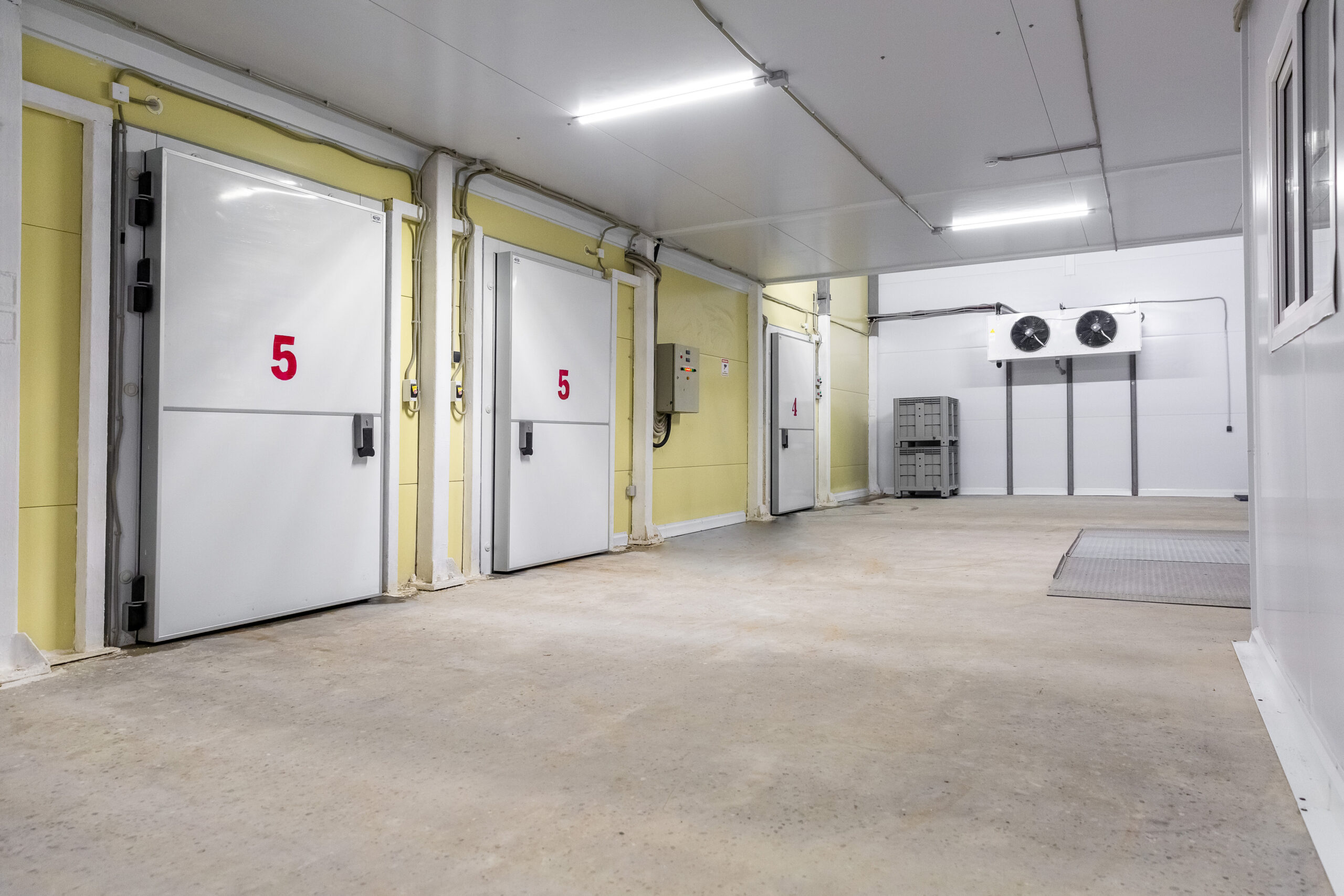
Cold room rental in Singapore gives businesses access to temperature-controlled storage without the capital cost of building and maintaining their own facility. Whether you need chilled space at 0°C to 4°C for fresh produce or deep-freeze storage at -18°C or below for frozen goods, renting a cold room lets you secure the right capacity on flexible terms, from short-term seasonal arrangements to multi-year leases.
This guide covers what to look for when renting a cold room in Singapore, how rental pricing works, the regulatory requirements you need to be aware of, and how to decide whether renting or building is the right choice for your business.
Who Rents Cold Rooms in Singapore?
Cold room rental is used across a wide range of industries, though the common thread is the need to store temperature-sensitive goods reliably and compliantly.
Food and beverage operators are the largest segment. Restaurants, caterers, central kitchens, and food distributors rent cold rooms when they outgrow their in-house refrigeration, need overflow capacity during peak periods, or are scaling operations before committing to a permanent facility. Meat importers and seafood wholesalers operating under SFA cold store licences frequently rent dedicated freezer rooms.
Pharmaceutical and healthcare companies rent cold rooms for vaccines, biologics, and temperature-sensitive medications. These applications typically require precise temperature bands (2°C to 8°C for most pharmaceuticals) and compliance with HSA Good Distribution Practice (GDP) guidelines.
Floristry and horticulture businesses rent chilled storage to preserve cut flowers and live plants, particularly around peak seasons like Chinese New Year and Valentine’s Day when stock volumes surge.
Events and exhibitions organisers use short-term cold room rental for catering, fresh floral arrangements, and perishable supplies during large-scale events.
Research and education institutions rent cold rooms for biological samples, chemical reagents, and perishable specimens that require controlled conditions during specific projects or trials.
What Affects Cold Room Rental Costs in Singapore?
Cold room rental pricing in Singapore is typically quoted either per square foot per month (PSF/month) or per pallet position per month, depending on the provider and the scale of the arrangement.
Based on current market listings, rental rates generally fall within the following ranges:
|
Rental Model |
Indicative Range |
Best Suited For |
|
Shared pallet positions |
$80 to $200 per pallet/month |
Small volumes, startups, overflow storage |
|
Dedicated cold room (small, 200-500 sqft) |
$10 to $18 PSF/month |
SMEs, single-product storage, pop-up operations |
|
Dedicated cold room (large, 1,000+ sqft) |
$2 to $8 PSF/month |
Wholesalers, distributors, long-term tenants |
|
Modular cold room hire (temporary) |
Project-based quotation |
Events, construction sites, emergency backup |
These figures are indicative and vary significantly based on several factors:
Temperature range. Freezer rooms (-18°C and below) cost more to operate than chiller rooms (0°C to 4°C) because they consume more energy. Expect a premium of 20% to 40% for frozen storage over chilled.
Location. Cold rooms in food-zoned industrial estates like Mandai, Senoko, or Jurong (governed by JTC lease terms) tend to be more competitively priced than facilities in central or east-side locations with higher land costs.
Included services. Some rentals are bare-shell, meaning you pay for the space and manage your own stock. Others include racking, temperature monitoring, loading dock access, forklift use, and inventory management. Fully serviced rentals carry higher PSF rates but lower operational overhead.
Lease duration. Longer commitments typically secure lower per-month rates. Short-term or seasonal rentals command a premium for the flexibility they provide.
Power and utilities. Check whether electricity is included in the rental rate or billed separately. Cold rooms consume substantial energy, and an all-inclusive rate simplifies budgeting.
How to Assess Your Cold Room Rental Needs
Before approaching a rental provider, work through these five questions to clarify your requirements.
1. What volume of goods do you need to store?
Estimate your storage requirement in pallet positions or square feet. Account for peak periods, not just average volumes. If your stock fluctuates seasonally, consider whether a flexible arrangement with the option to scale up during busy months would be more cost-effective than renting a permanently larger space.
2. What temperature range do you need?
Different products require different conditions. Under SFA guidelines, chilled food must be stored at 0°C to 4°C, while frozen food requires -18°C or below. Pharmaceutical products typically need 2°C to 8°C. If you handle both chilled and frozen goods, you will need either a facility with separate temperature zones or two separate cold rooms.
3. How frequently do you need access?
Consider how often goods move in and out. A high-turnover operation (daily deliveries and dispatches) needs a cold room with a proper loading dock, wide access doors, and proximity to major expressways. A low-turnover setup (monthly restocking) can prioritise lower rental cost over convenience of access.
4. Do you need SFA or HSA licensing?
If you are storing SFA-regulated products such as meat, seafood, or dairy for wholesale distribution, the cold room facility must hold a valid SFA cold store licence. The licence costs approximately $260 per year for meat and seafood products and requires the facility to pass SFA inspection covering cleaning and sanitation programmes, pest control, maintenance schedules, and temperature monitoring records. If you are a tenant in a shared facility, confirm that the landlord’s licence covers your usage, or whether you need to apply for your own.
For pharmaceutical storage, the facility may need to comply with HSA’s Good Distribution Practice guidelines, which impose stricter temperature monitoring, audit trail, and documentation requirements.
5. What is your budget?
Set a realistic monthly budget that accounts for rent, utilities (if separate), handling fees, and any additional services. Compare at least three providers on a total-cost basis, not just the headline PSF rate. A cheaper space with no loading dock, no racking, and no temperature monitoring may end up costing more once you factor in the equipment and labour you need to supply yourself.
Renting vs Building: Which Is Right for Your Business?
For many businesses, the decision is not whether to use cold storage, but whether to rent or build. Each option suits different circumstances.
|
Factor |
Renting a Cold Room |
Building Your Own Cold Room |
|
Upfront cost |
Low (security deposit + first month’s rent) |
High (construction, equipment, installation) |
|
Monthly cost |
Ongoing rental payments |
Lower once capital is recovered, but maintenance and energy costs remain |
|
Flexibility |
Can scale up/down or exit with notice period |
Fixed capacity, expansion requires new construction |
|
Maintenance |
Handled by the landlord (in most rental arrangements) |
Your responsibility, including 24/7 emergency repairs |
|
Customisation |
Limited to what the facility offers |
Full control over layout, temperature zones, and features |
|
Compliance |
Landlord typically holds the licence (verify) |
You hold the licence and manage inspections directly |
|
Best suited for |
Startups, seasonal businesses, short-term needs, overflow |
Established businesses with stable, high-volume, long-term requirements |
If you are unsure whether building is the right move, you can start by renting to validate your storage volumes and operational workflow. Once you have a clear picture of your long-term requirements, investing in a custom-built cold room or a walk-in cold room sized to your actual needs becomes a lower-risk decision.
What to Look For in a Cold Room Rental Provider
Not all cold room rental facilities are equal. Here are the features and standards that matter most.
SFA or HSA compliance. For food and pharmaceutical storage, the facility must be licensed and pass regular inspections. Ask to see the current licence and most recent inspection report.
Temperature monitoring and alerts. The facility should have digital temperature sensors with 24/7 monitoring and automated SMS or app-based alerts if conditions deviate from the set range. Digital data logging provides the compliance audit trail that SFA and HSA inspectors expect.
Backup power. A standby generator with automatic transfer switching is essential. A power failure during a Singapore weekend or public holiday can destroy an entire cold room’s stock before anyone notices. Confirm the generator’s capacity and switchover time.
Loading and access. Check for proper loading docks, forklift availability, and sufficient manoeuvring space for your delivery vehicles. If you receive goods in 40-foot containers, confirm that the docking area can accommodate them.
Security. CCTV, access control, and 24/7 security presence protect your stock and give you peace of mind, particularly for high-value inventory.
Flexible lease terms. Look for agreements that allow you to scale capacity up or down as your business changes. Understand the notice period, renewal options, and any penalties for early termination.
Location and expressway access. For operations with frequent goods movement, proximity to major expressways (SLE, BKE, PIE, AYE) and your distribution routes will save significant transport time and cost over the life of the lease.
SFA Compliance Checklist for Cold Room Tenants
If you are renting a cold room for SFA-regulated products, ensure the following are in place before you begin operations:
All food handlers have completed WSQ-certified food safety training and are registered with the SFA. The facility’s cleaning and sanitation programme documents which equipment is cleaned, how often, and by whom. A pest control programme is in place, managed by qualified personnel. A maintenance schedule covers all refrigeration equipment, insulation, door seals, and monitoring systems. Your tenancy agreement is ready for submission as part of the SFA licensing application. Temperature monitoring records are digitally logged and available for inspection.
The SFA cold store licence is renewed annually. Non-compliance can result in fines, licence suspension, or prosecution, so treat these requirements as operational essentials, not paperwork to be filed and forgotten.
Cold Room Rental with Kiat Lay
At Kiat Lay, we have been designing and building cold rooms in Singapore since 1982. Our decades of experience across industrial cold storage, ASRS-integrated cold rooms, and refrigeration maintenance mean that our rental facilities are built and maintained to the same standards we apply to our construction projects.
Our cold room rental facility at Mandai offers convenient expressway access, dedicated loading docks, and flexible arrangements for both full-room and pallet-position rentals. Whether you need chilled or frozen storage, short-term overflow capacity or a long-term arrangement, we can structure a rental that fits your inventory and operational requirements.
To discuss cold room rental availability, request a site visit, or get a quotation, contact us at (65) 6793 3313 or enquiry@kiatlay.com.sg.
Frequently Asked Questions
How much does cold room rental cost in Singapore?
Rates depend on size, temperature range, location, and included services. As a general guide, dedicated cold room spaces range from $2 to $18 PSF per month, with small rooms and freezer storage at the higher end. Shared pallet positions typically cost $80 to $200 per pallet per month. Contact providers directly for a quotation based on your specific requirements.
What is the minimum rental period for a cold room in Singapore?
This varies by provider. Some offer month-to-month arrangements for short-term or seasonal needs. Others require a minimum commitment of 6 to 12 months. Longer leases generally secure better rates. Confirm the terms, notice period, and early termination conditions before signing.
Do I need an SFA licence to rent a cold room?
If you are storing SFA-regulated food products (meat, seafood, dairy) for wholesale distribution, an SFA cold store licence is required. In some shared-facility arrangements, the landlord’s licence may cover your operations. In others, you will need to apply for your own. Clarify this with the provider before committing to a lease.
Can I rent just a few pallet positions instead of a whole cold room?
Yes. Many providers in Singapore offer pallet-position rentals within larger shared cold rooms. This is a cost-effective option for startups, small businesses, or companies that need overflow capacity without committing to a full room.
What happens if the cold room loses power?
A well-managed facility will have a standby generator with automatic transfer switching that activates within seconds of a power failure. Ask your provider about their backup power capacity, typical switchover time, and their emergency response protocol for extended outages.