


Cold Room Storage Planning for Hotel Room-Service
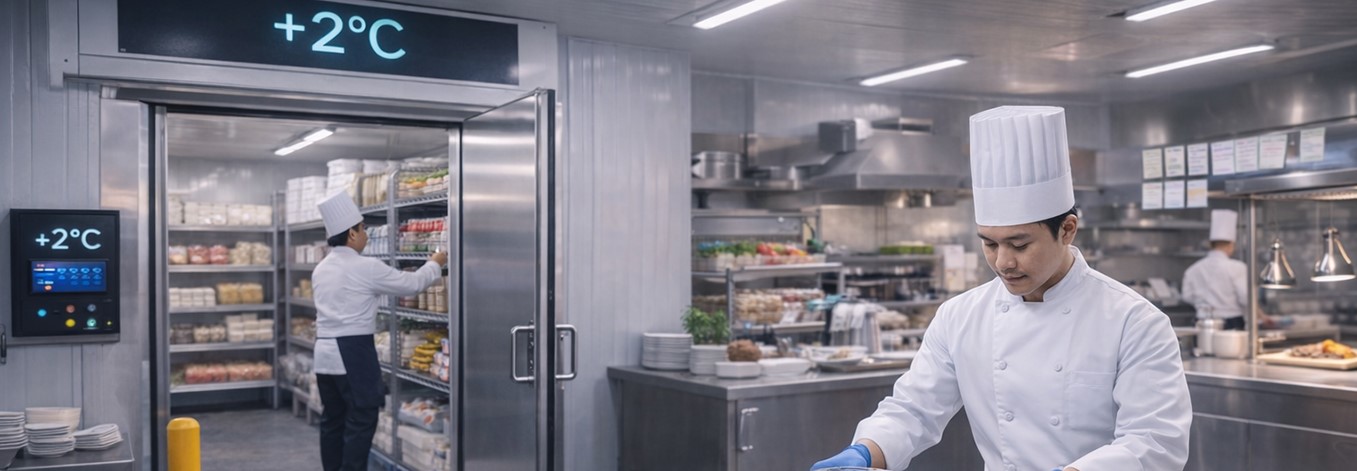
Hotel room-service operations run on a different rhythm compared to restaurants or banquet kitchens. Orders arrive at any hour, demand fluctuates, and expectations remain high, especially in hotels offering 24-hour in-room dining.
Behind the scenes, cold room storage plays a key role in maintaining food safety, service speed, and product quality.
This article explains how to plan cold room storage for hotel room-service operations, focusing on 24-hour access, workflow efficiency, and food safety.
What Is Room-Service Cold Room Storage?
Room-service cold room storage refers to dedicated chilled or frozen storage areas designed to support on-demand food preparation for in-room dining. Unlike standard kitchen storage, it must allow quick access, clear organisation, and safe handling during low-staff periods.
Supporting 24-Hour Food Availability with Smart Cold Room Storage
Room-service menus often operate around the clock. Ingredients must remain accessible without compromising safety or quality.
Cold room planning should prioritise:
- Ready access to frequently ordered items
- Separation of raw, cooked, and ready-to-serve foods
- Stable temperatures during intermittent access
A practical approach is to create a dedicated room-service zone within the walk-in chiller. This allows staff to locate items quickly without disturbing bulk storage used for other operations.
Example: Dedicated Room-Service Zone
A five-star hotel introduced a dedicated section within its main walk-in chiller for room-service items such as desserts, breakfast components, and pre-marinated proteins.
This reduced retrieval time for overnight staff and improved service speed without affecting daytime operations.
Walk-In Chiller Access Planning for Service Efficiency
Efficient access is essential, especially during late-night shifts when staffing is limited.
Key Design Considerations
- Proximity to plating areas to reduce travel time
- Clear shelving layout for fast identification
- Fast-closing or sliding doors to limit cold air loss
Some hotels install a secondary walk-in chiller near the room-service plating station. This smaller unit stores high-turnover items and is replenished during off-peak hours.
Case Insight: Secondary Chiller Strategy
A resort operating 24-hour room service installed a compact chiller near the service lift. This reduced reliance on the main cold room and improved response time for late-night orders.
Maintaining Food Safety During Low-Traffic Hours
Overnight operations present higher risks due to reduced supervision.
Cold room design should support:
- Consistent temperature control
- Clear separation of raw and cooked items
- Easy cleaning and hygiene maintenance
Digital temperature monitoring systems with alerts are critical. They ensure that any deviation is detected immediately, even when staff presence is minimal.
Example: Temperature Control Upgrade
A business hotel improved overnight temperature stability by adding air curtains and automatic door closers. This reduced spoilage and improved compliance.
Cold Room Design That Balances Accessibility and Control
Room-service operations require quick access without compromising organisation.
Effective strategies include:
- Zoned shelving for different service areas
- Colour-coded bins for easy identification
- Controlled access to sensitive items
Well-insulated cold room construction and properly sealed doors help maintain consistent conditions despite frequent access.
Reducing Waste While Supporting On-Demand Service
Room-service menus often use premium ingredients with shorter shelf life. Poor storage planning increases waste.
Best practices include:
- FIFO-friendly shelving layouts
- Dedicated areas for partially used items
- Adjustable shelving for menu changes
Case Study: Improving Stock Rotation
A boutique hotel reorganised its walk-in chiller by placing room-service items at eye level and bulk stock deeper inside.
This improved stock rotation and reduced expired inventory by over 20 percent within three months.
Best Practices for Hotel Room-Service Cold Room Design
- Create a dedicated room-service zone
Improves access speed and reduces disruption to main storage. - Position chillers close to plating areas
Reduces preparation time and limits temperature loss. - Use secondary chillers for high-demand items
Supports faster service during peak and overnight hours. - Implement clear zoning and labelling
Prevents errors and improves efficiency. - Install monitoring and control systems
Ensures consistent temperature and food safety compliance.
Conclusion
Room-service operations depend on speed, consistency, and quality. Cold room storage planning supports all three by enabling efficient workflows and reliable temperature control.
Hotels that invest in structured cold room layouts, smart zoning, and monitoring systems can improve service performance while reducing waste and maintaining food safety.
FAQs
1. What temperature should a hotel room-service cold room maintain?
Most chilled storage operates between 2°C and 5°C, while frozen items require temperatures of -18°C or lower.
2. Why is a dedicated room-service zone important?
It allows faster access to frequently used items and reduces disruption to bulk kitchen storage.
3. How can hotels improve overnight food safety?
By using temperature monitoring systems, proper zoning, and automated door controls to maintain consistent conditions.
4. Should hotels install a separate chiller for room service?
Yes, a smaller secondary chiller can improve efficiency by storing high-turnover items closer to the service area.
5. How can cold rooms reduce food waste in hotels?
Through FIFO storage layouts, better organisation, and proper temperature control to extend product shelf life.
What features improve cold room efficiency?
Fast-closing doors, proper insulation, clear shelving layouts, and strategic placement near work areas.
Looking to optimise your hotel kitchen and room-service operations?
Speak to Kiat Lay cold room specialist to design a storage solution that improves efficiency, food safety, and service speed.
Kiat Lay also offers flexible cold room rental options in Singapore for hotels that need temporary capacity during peak seasons, renovations, or operational upgrades. Whether you require a short-term solution or a long-term setup, our team can tailor a system to match your kitchen workflow and service demands.