


Cold Storage Solutions for Different Pharmaceutical Products
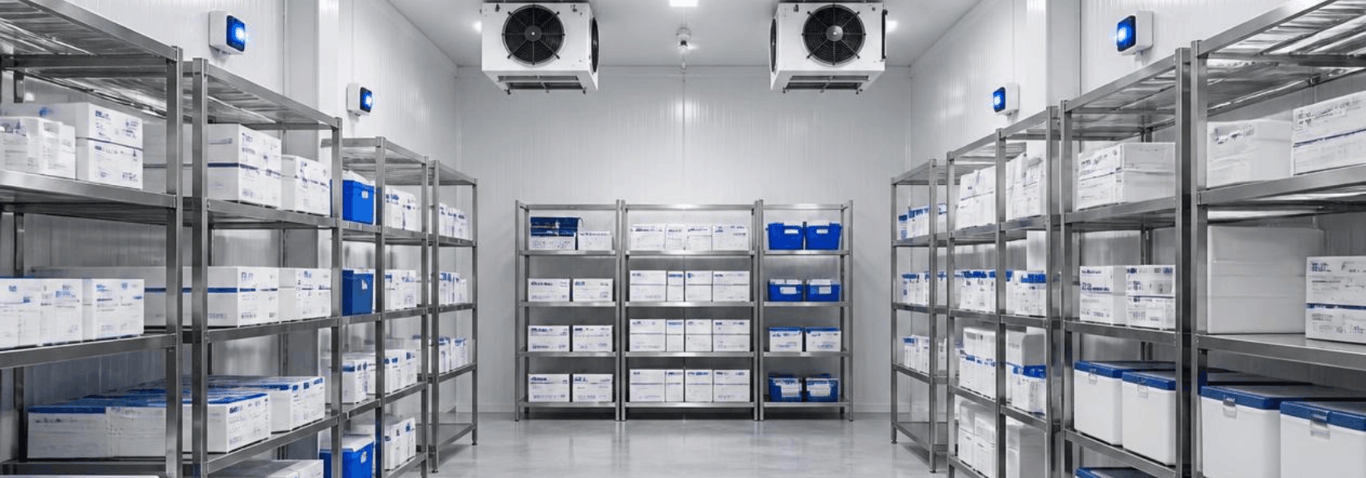
The pharmaceutical industry relies on precise storage conditions to maintain the quality of temperature sensitive products throughout the supply chain. As product portfolios continue to expand, businesses are managing a wider variety of medicines, vaccines, laboratory materials and healthcare products, each with its own storage requirements.
Although these products may all require refrigerated storage, they should not automatically be stored using the same cold room design or operational approach. Storage capacity, product handling procedures, inventory movement and monitoring requirements often differ depending on the type of pharmaceutical products being managed.
For this reason, planning the right pharmaceutical cold storage solution involves much more than selecting refrigeration equipment. A well designed facility should accommodate daily operations while providing flexibility for future business growth and changing product requirements.
Different Pharmaceutical Products Have Different Storage Requirements
Not all pharmaceutical products are handled in the same way. Some products move through the warehouse quickly to support ongoing distribution, while others remain in storage for longer periods before they are dispatched. Certain products require frequent access throughout the day, whereas others are only retrieved occasionally.
The diversity of pharmaceutical inventory means storage facilities should be planned around operational requirements rather than assuming every product can share the same storage arrangement.
Common examples include:
|
Product Category |
Storage Consideration |
|
Vaccines |
Stable storage conditions and continuous monitoring |
|
Biologics |
Careful handling and organised storage |
|
Laboratory reagents |
Clear identification and traceability |
|
Temperature sensitive medicines |
Consistent temperature management |
|
Clinical samples |
Controlled access and organised inventory management |
While every organisation has different operational procedures, understanding the characteristics of stored products helps create a cold storage solution that supports both efficiency and product integrity.
Plan Storage Around Operational Workflow
A pharmaceutical cold room should integrate naturally with the way products move throughout the facility. Receiving, inspection, storage, order preparation and dispatch all form part of the daily workflow. If the cold room layout does not align with these activities, employees may spend unnecessary time moving products between work areas or searching for inventory.
Planning storage around operational workflow allows businesses to organise inventory more effectively while improving accessibility for authorised personnel.
Questions worth considering include:
- How frequently are products received?
- Which products require the fastest access?
- Are different product categories managed by separate teams?
- How is inventory prepared before distribution?
- Will storage requirements change as the business expands?
Answering these questions during the planning stage provides a stronger foundation for designing an efficient cold storage facility.
Choose a Cold Storage Solution That Matches Your Operations
Every pharmaceutical business operates differently. A manufacturer may prioritise production support and raw material storage, while a distributor may require faster inventory turnover and efficient dispatch processes. Research laboratories and healthcare providers may also have different operational priorities depending on the products they handle.
Rather than applying a standard cold room design to every project, businesses should evaluate how refrigerated storage will be used throughout daily operations.
Some of the key planning considerations include:
|
Planning Consideration |
Why It Matters |
|
Storage capacity |
Accommodates current and future inventory volumes |
|
Product accessibility |
Allows authorised personnel to retrieve products efficiently |
|
Inventory organisation |
Supports accurate stock management |
|
Monitoring systems |
Provides greater visibility of storage conditions |
|
Future expansion |
Allows the facility to adapt as operational requirements change |
Taking these factors into account early helps businesses develop a solution that remains practical as operations evolve.
Why Monitoring and Traceability Matter
Monitoring plays an important role in pharmaceutical cold storage. As inventory volumes increase, businesses need greater visibility of stored products and storage conditions. Accurate monitoring allows operators to identify potential issues promptly while maintaining confidence in day to day warehouse operations.
Traceability is equally important. Knowing where products are stored, when they were received and how they move throughout the facility supports better inventory management and improves operational consistency. Rather than relying solely on manual records, many businesses incorporate monitoring systems into their cold storage operations to improve visibility and simplify inventory management.
Plan for Future Business Growth
Storage requirements within the pharmaceutical industry can change significantly over time. Businesses may introduce new product lines, increase production capacity or expand their distribution network to serve new markets. A cold storage facility should be designed with these changes in mind. Planning for future growth during the early stages of a project allows businesses to expand their operations more efficiently without making extensive modifications to existing facilities. It also provides greater flexibility when inventory volumes increase or operational requirements evolve.
When reviewing long term storage needs, businesses should consider:
- Expected growth in inventory volumes.
- New pharmaceutical products that may require refrigerated storage.
- Changes to distribution activities.
- Additional warehouse capacity requirements.
- Future operational expansion.
Considering these factors early allows a cold storage facility to remain practical and efficient as the business develops.
Common Mistakes When Planning Pharmaceutical Cold Storage
Developing an effective pharmaceutical cold room involves more than selecting refrigeration equipment. Decisions made during the planning stage can influence daily operations for many years.
Some of the most common planning mistakes include:
|
Common Mistake |
Operational Impact |
|
Planning only for current storage needs |
Limited capacity as the business grows |
|
Poor inventory organisation |
Longer retrieval times and inefficient workflows |
|
Insufficient monitoring capabilities |
Reduced visibility of storage conditions |
|
Limited accessibility |
Slower product handling during daily operations |
|
Delaying maintenance planning |
Greater risk of unexpected operational disruptions |
Avoiding these issues during the planning stage helps create a facility that is easier to manage while supporting consistent day to day operations.
Create a Cold Storage Solution That Fits Your Operations
No two pharmaceutical facilities operate in exactly the same way. A manufacturing plant may require storage that supports production schedules and raw material availability. A pharmaceutical distributor may prioritise faster inventory turnover and efficient dispatch processes. Healthcare providers and research laboratories may have completely different storage priorities again.
Rather than adopting a standard layout, businesses should develop a solution based on their operational workflow, inventory profile and long term objectives.
Taking the time to understand these requirements before construction begins often results in a facility that is easier to manage and better suited to future business needs.
Businesses planning a pharmaceutical cold storage facility may also find it useful to explore other cold room planning resources before beginning a new project.
Work with an Experienced Cold Storage Specialist
Developing pharmaceutical cold storage requires careful planning from the earliest stages of the project.
Storage capacity, workflow, monitoring requirements and future expansion should all be considered together rather than as separate decisions. A well planned facility not only accommodates current operational needs but also provides flexibility as the business grows.
Working with an experienced cold storage specialist allows businesses to evaluate these requirements before construction begins and develop a solution that aligns with their operational objectives. If you are planning a pharmaceutical cold storage facility or upgrading an existing cold room, consult an experienced specialist to develop a solution that reflects your operational requirements and future business plans.
Conclusion
Different pharmaceutical products have different storage requirements, making careful planning essential when developing a refrigerated storage facility.
By understanding inventory characteristics, operational workflows and future business needs, organisations can create a pharmaceutical cold storage solution that remains efficient, organised and adaptable as operations evolve. Choosing the right storage solution is not simply about increasing capacity. It is about creating an environment that supports product quality, efficient inventory management and reliable day to day operations.
If you are planning a new pharmaceutical cold room or upgrading an existing facility, contact Kiat Lay or request a consultant to discuss a cold storage solution tailored to your operational requirements.