


Renovating a Hotel Cold Room: How to Keep Food and Beverage Operations Running Smoothly
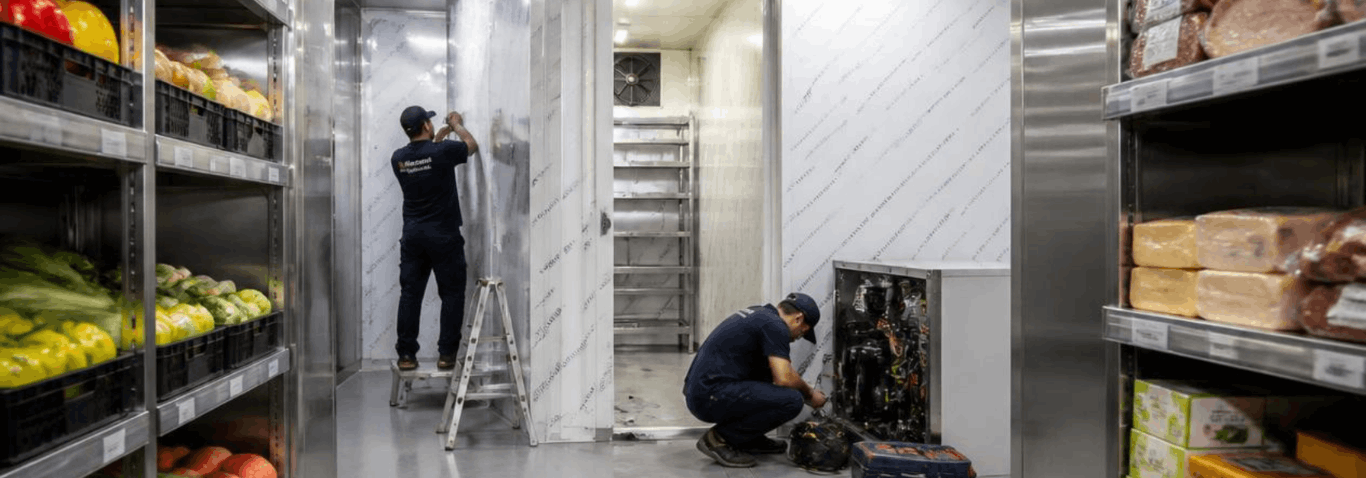
Hotel food and beverage operations rely on cold rooms to support the storage of fresh ingredients, beverages and other temperature sensitive items. Over time, however, business growth, changing operational requirements or ageing facilities may prompt hotels to consider upgrading their existing cold room.
Unlike a new installation, a renovation project often takes place while the hotel continues to welcome guests and operate its restaurants, cafés and banquet facilities. This makes early planning particularly important, helping businesses prepare for the project while minimising unnecessary disruption to daily operations.
This article explores several practical considerations before renovating a hotel cold room and explains how thoughtful planning contributes to a smoother project experience.
Planning Ahead Before a Cold Room Upgrade
Every hotel operates differently, and renovation priorities will vary depending on the size of the property, the number of food and beverage outlets and day to day operational requirements.
Before a project begins, it is helpful to consider questions such as:
- Why is the cold room being upgraded?
- Which areas of the operation may be affected during the project?
- Are there upcoming peak periods or major events that should be considered?
- Will the upgraded cold room continue to meet future operational needs?
Discussing these considerations early helps establish clearer project objectives and supports more effective planning before work begins. Early planning also allows hotels to evaluate renovation priorities alongside operational commitments. This helps create a clearer picture of the project’s objectives before more detailed discussions take place.
Hotels with multiple food and beverage outlets may also have different operational priorities compared with smaller hospitality businesses. Understanding how cold room storage supports these operations provides useful context when planning an upgrade. Many hotels also operate across different service periods, including breakfast, all day dining, afternoon events and evening functions. Understanding how these activities are scheduled throughout the day helps businesses identify operational priorities before renovation planning begins.
Considering these daily demands early allows project discussions to focus on maintaining business continuity while supporting the hotel’s service standards throughout the renovation period.
Practical Considerations Before Renovation Begins
Every renovation project presents different circumstances, but there are several practical considerations that are worth discussing before work starts.
These may include:
- Selecting a suitable time for the project
- Understanding how daily food and beverage operations may be affected
- Agreeing on project expectations and communication throughout the renovation
- Considering future operational needs as part of the upgrade
Addressing these topics early helps businesses prepare for the project while creating a clearer understanding between the hotel team and the chosen cold room specialist. These discussions also provide an opportunity to identify potential concerns before renovation work begins. Resolving practical questions early often contributes to a more coordinated project and a smoother overall experience.
Keeping Operations Running During the Project
For many hotels, maintaining day to day operations remains a priority throughout a renovation project. Restaurants continue serving guests, room service remains available and banquet schedules may already be confirmed well in advance.
While every project is different, discussing operational priorities early helps businesses consider how renovation work can be planned alongside normal hotel activities. This encourages better coordination and allows practical arrangements to be explored before work begins. By establishing clear expectations from the outset, both the hotel team and the cold room specialist can work towards a project that supports operational continuity while achieving the desired upgrade objectives.
A Practical Renovation Checklist
Before beginning a hotel cold room renovation, it may be helpful to review the following questions.
|
Question |
Why It Matters |
|
Why is the cold room being upgraded? |
Clarifies the project’s objectives from the beginning. |
|
Are there peak business periods to consider? |
Helps identify a suitable timeframe for the project. |
|
Which hotel operations may be affected? |
Supports better planning across food and beverage teams. |
|
Have future operational needs been discussed? |
Encourages planning beyond immediate requirements. |
|
Has a maintenance strategy been considered? |
Helps maintain reliable performance after the upgrade. |
Using these questions as a discussion guide helps ensure planning remains focused on the needs of the business. Rather than serving as a fixed checklist, these questions provide a useful starting point for discussions before a renovation project begins. Each hotel will have different priorities depending on its facilities and daily operations.
Looking Beyond the Renovation
A cold room upgrade is also an opportunity to review whether the existing facility continues to support the hotel’s operational needs.
As guest expectations, dining concepts and food and beverage operations evolve, storage requirements may also change. Taking these longer term considerations into account during the planning stage can help businesses make more informed decisions about the direction of the project.
Hotels with dedicated pastry kitchens or specialised food preparation areas may also have different refrigerated storage requirements depending on how these spaces operate. Reviewing similar applications can provide useful context when planning an upgrade.
Renovation planning may also provide an opportunity to review whether existing processes continue to support the hotel’s operational goals. As food and beverage operations evolve, storage requirements, kitchen workflows and service expectations may also change over time. Considering these broader operational priorities during the planning stage helps ensure the renovation supports not only the current facility but also future business needs.
Communication Supports Better Project Planning
Open communication throughout the planning stage helps establish a shared understanding of project objectives, operational priorities and expected outcomes.
Rather than focusing only on the renovation itself, early discussions allow businesses to explore different options, clarify expectations and prepare for the project with greater confidence. This collaborative approach helps create a stronger foundation before work begins and contributes to a smoother overall project experience. Effective communication also makes it easier to coordinate expectations between different stakeholders throughout the planning process. This encourages more informed decision making before renovation activities begin.
Working with the Right Cold Room Specialist
Every hotel renovation project comes with its own priorities, timelines and operational considerations. While no two projects are exactly alike, early collaboration with an experienced cold room specialist can help businesses explore suitable options and prepare for the project with greater confidence.
Taking time to discuss operational requirements, project objectives and practical considerations before work begins helps establish a shared understanding between all parties. While every renovation project is unique, investing time in these early conversations often helps hotels prepare more confidently for the next stage of the project. This creates a stronger foundation for planning and contributes to a smoother renovation experience.Preparing thoroughly before renovation begins also helps reduce uncertainty during the project.
When expectations are discussed early and operational priorities are clearly understood, hotels are better positioned to make informed decisions and adapt to changing project requirements if needed.
Conclusion
Renovating a hotel cold room is more than upgrading an existing facility. It is an opportunity to review how refrigerated storage continues to support food and beverage operations while preparing the business for future needs.
By planning ahead, identifying operational priorities and encouraging early discussions, hotels can approach renovation projects with greater confidence and minimise unnecessary disruption to daily operations.
If you are considering a hotel cold room upgrade, request a consultant with Kiat Lay to discuss your project requirements. Our team works with hotels across Singapore to develop cold room solutions that support a wide range of hospitality operations, from boutique properties to large hotels with multiple food and beverage outlets.