


Is Your Warehouse Ready for an ASRS Installation?
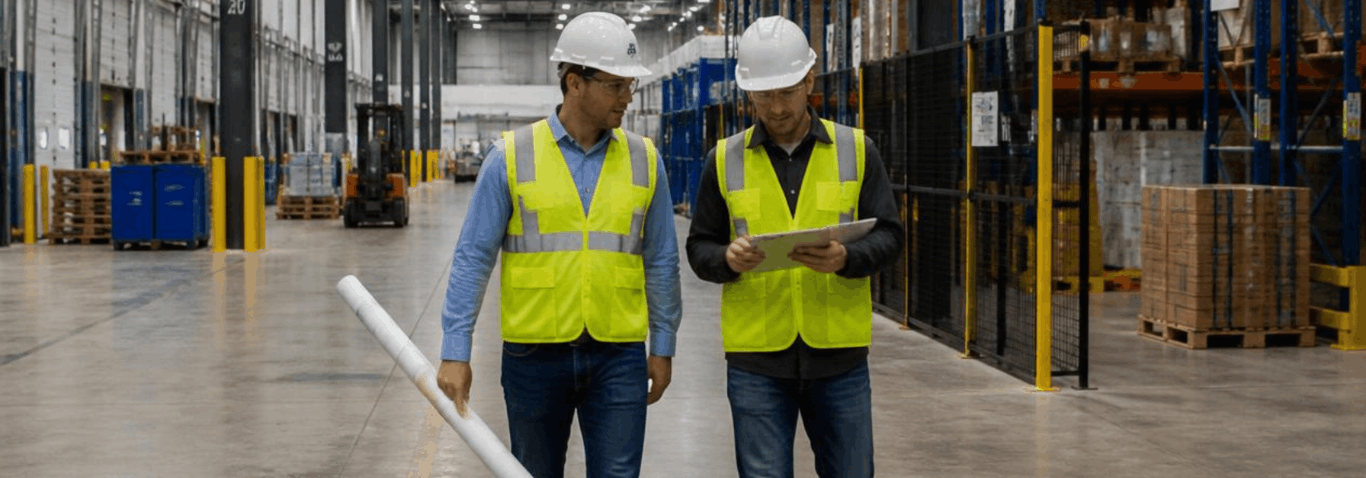
For many warehouse operators, automation is no longer viewed as a future investment. It has become a practical way to manage increasing inventory volumes, improve operational efficiency and make better use of available storage space.
However, investing in an ASRS warehouse system installation involves much more than purchasing automated equipment. The success of an Automated Storage and Retrieval System depends heavily on whether the warehouse itself is ready to support the new system. Businesses that spend time evaluating their facility, workflow and long term objectives before implementation are often in a stronger position to maximise the value of their investment.
Automation Should Solve a Business Challenge
An ASRS is not simply an upgrade because automation is available. It should address a clearly defined operational challenge.
For some businesses, the priority may be increasing storage density. Others may want to improve inventory accuracy, reduce manual handling or support future business growth.
Before considering an installation, it is useful to ask questions such as:
- What operational challenge are we trying to solve?
- Which warehouse processes consume the most time?
- Are current storage methods limiting business growth?
- Will automation improve customer service or operational efficiency?
Having clear objectives helps shape the design of an ASRS solution and ensures the investment supports measurable business outcomes.
Planning Tip: Start by identifying the operational problem before selecting the technology. A well defined objective often leads to better project decisions.
Is Your Existing Warehouse Suitable?
Not every warehouse requires major reconstruction before automation can be introduced, but every facility should be carefully evaluated. Factors such as available floor space, building height, structural capacity and product flow all influence how an ASRS can be integrated into existing operations.
Rather than asking whether the warehouse is large enough, businesses should consider whether the current layout supports efficient movement of goods before and after automation.
|
Facility Area |
Questions to Consider |
|
Storage layout |
Does the current layout maximise available space? |
|
Product movement |
Can goods move efficiently between receiving, storage and dispatch? |
|
Future expansion |
Will the facility support business growth? |
|
Building configuration |
Is the existing structure suitable for future automation? |
Warehouses that already have organised workflows often transition more smoothly to automated storage systems.
Review Your Inventory Profile
Different products require different storage strategies. A warehouse storing a small range of high volume products may have different automation requirements from one managing thousands of stock keeping units with varying turnover rates.
Understanding inventory characteristics helps determine whether ASRS is the right solution and influences how the system should be designed.
Important considerations include:
- Product dimensions
- Inventory turnover
- Order frequency
- Seasonal demand
- Storage locations
The more accurately these characteristics are understood, the easier it becomes to develop an automation strategy that reflects actual business operations rather than assumptions.
Consider Whether Your Operations Are Ready
Technology alone will not transform warehouse performance if existing processes are inefficient.
Before implementing an ASRS, businesses should review how goods move through the warehouse each day. Receiving, storage, picking and dispatch processes should work together to minimise unnecessary handling and delays. Automation is most effective when it complements a well organised operation rather than compensating for poor workflows.
Questions worth discussing include:
- Are current warehouse processes clearly defined?
- Can inventory information be updated accurately and consistently?
- Which manual tasks could benefit most from automation?
- Are there existing bottlenecks that should be addressed before implementation?
Taking the time to answer these questions helps establish realistic expectations for what an ASRS can achieve.
Involve Key Stakeholders Early
Preparing for an ASRS installation is rarely the responsibility of a single department. While warehouse managers often lead the project, valuable input should also come from operations, engineering, IT and senior management.
Each team brings a different perspective that can influence the success of the implementation. For example, warehouse personnel understand the day to day challenges of inventory handling, while IT teams can advise on system integration and data management. Management, on the other hand, may focus on long term business objectives and return on investment.
Bringing these stakeholders together early in the planning process helps ensure that important operational requirements are not overlooked. It also allows potential concerns to be addressed before detailed design work begins. Organisations that involve multiple departments from the outset are often better prepared to make informed decisions throughout the project.
Planning Tip: A successful ASRS project is not only about selecting the right technology. It also depends on aligning people, processes and operational goals before implementation begins.
This collaborative approach creates a stronger foundation for the project and helps reduce the likelihood of unexpected changes during installation.
Think Beyond Today’s Capacity
Warehouse automation is often driven by business growth rather than immediate operational challenges. A facility that operates comfortably today may struggle to meet demand in the coming years as inventory volumes increase or customer expectations evolve.
Planning an ASRS installation with future growth in mind allows businesses to avoid designing a solution that quickly reaches its limits.
Planning Tip: When evaluating warehouse automation, consider where your business expects to be in three to five years, not just where it is today.
Future planning may include expanding storage capacity, introducing additional product lines or increasing order fulfilment capabilities. Considering these possibilities during the planning stage can reduce the need for significant modifications later.
Integration Is Just as Important as Equipment
An ASRS should function as part of the overall warehouse operation rather than as a standalone system. Businesses should consider how automation will integrate with receiving activities, inventory management processes and dispatch operations. The smoother the connection between these functions, the greater the operational benefits.
Instead of focusing solely on the equipment itself, it is often helpful to evaluate the entire workflow.
|
Project Stage |
Key Consideration |
|
Planning |
Define operational objectives and future requirements |
|
System design |
Align storage configuration with inventory characteristics |
|
Implementation |
Minimise disruption to daily warehouse operations |
|
Ongoing operation |
Monitor performance and review opportunities for optimisation |
A successful project is measured not only by how well the system operates, but also by how effectively it supports day to day business activities. Businesses exploring warehouse automation may also benefit from understanding how Automated Storage and Retrieval Systems improve efficiency within cold storage facilities.
Partner with Specialists Early in the Planning Process
One of the biggest advantages of involving an experienced specialist early is the ability to identify potential challenges before installation begins.
Site assessments, workflow analysis and operational discussions provide valuable insights into whether an ASRS is suitable for the facility and how it can be implemented effectively.
Early collaboration also helps businesses make informed decisions about warehouse layout, storage configuration and future expansion opportunities before significant investments are made. Rather than treating planning as a separate stage from implementation, viewing it as part of the overall project often leads to better long term outcomes. If you are considering warehouse automation, consulting an experienced specialist early in the planning process can help ensure your ASRS solution aligns with both current operations and future business goals.
Conclusion
An ASRS warehouse installation is more than a technology upgrade. It is a strategic investment that should be supported by careful planning, well defined operational objectives and a clear understanding of future business requirements. By evaluating warehouse readiness, reviewing workflows and planning for long term growth, businesses can create a stronger foundation for a successful automation project.
If your organisation is exploring warehouse automation, request a consultant to discuss whether an ASRS solution is the right fit for your facility and operational goals.