


Freezer Room Design for Long-Term API Storage
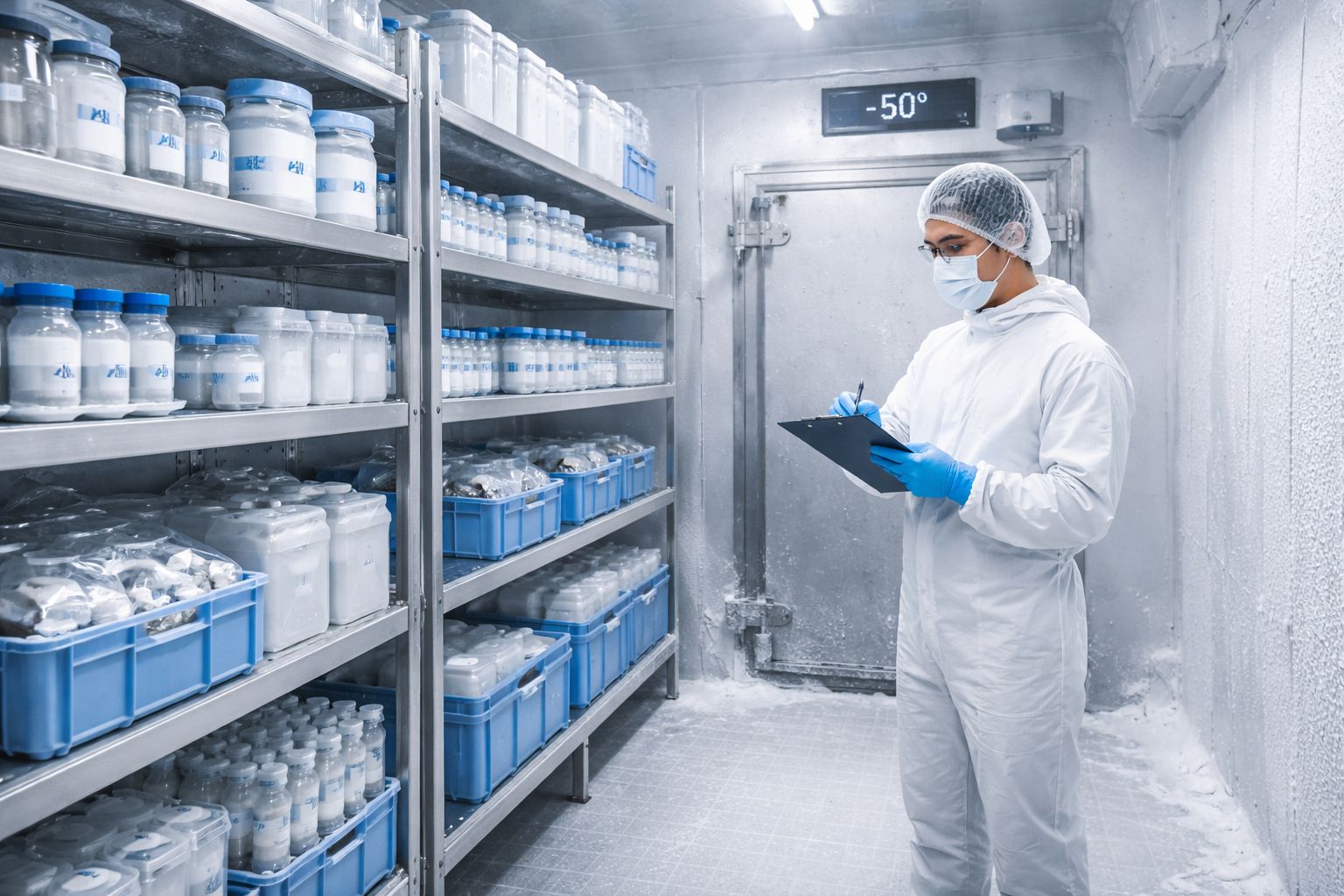
Active Pharmaceutical Ingredients, or APIs, are among the most sensitive materials in pharmaceutical manufacturing. Many require tightly controlled storage conditions to preserve stability, potency and regulatory compliance over extended periods. For manufacturers, distributors and research facilities, freezer room design is therefore not a standard cold storage decision. It is a critical infrastructure decision that protects product integrity and business continuity.
Improper storage can expose APIs to temperature excursions, humidity imbalance, frost buildup or contamination risk. These issues may lead to degradation, rejected batches, costly investigations and delays in production.
A well-designed pharmaceutical freezer room helps maintain stable conditions, reduce operational risk and support Good Manufacturing Practice, Good Distribution Practice and audit requirements. This article explains how freezer rooms can be designed for long-term API storage, with a focus on degradation prevention, frost and humidity control, industrial-grade insulation and compliance readiness.
What Is Freezer Room Design for API Storage?
Freezer room design for API storage refers to the planning, engineering and construction of temperature-controlled rooms used to store pharmaceutical ingredients under defined conditions. These rooms are built to maintain consistent low temperatures, protect material stability and provide documented control over the storage environment.
Depending on the API, freezer room requirements may include:
- Stable frozen storage at around -20°C
- Ultra-low temperature storage where required by the material
- Controlled humidity and frost management
- Temperature mapping and validation
- Continuous monitoring and alarm systems
- Backup power and refrigeration redundancy
- Secure access and product traceability
For long-term API storage, the freezer room must be designed around the material’s stability profile, storage duration, access frequency and compliance requirements.
Why Long-Term API Storage Requires Specialist Freezer Room Design
APIs can be affected by temperature movement, moisture ingress, poor airflow and repeated door openings. Even when the average room temperature appears acceptable, localised hot spots or short temperature excursions can compromise sensitive materials.
For pharmaceutical operators, the consequences can be serious:
- Reduced potency or stability
- Batch rejection
- Extended quality investigations
- Regulatory findings
- Higher energy and maintenance costs
- Disruption to manufacturing timelines
This is why API freezer rooms must be planned as controlled environments, not simply as low-temperature storage rooms.
Minimising API Degradation Risks Over Extended Storage
APIs, particularly biologics, enzymes, peptides and complex chemical compounds, may degrade when exposed to unsuitable temperature conditions. Long storage periods increase this risk because even small recurring fluctuations can accumulate into stability concerns.
Pharmaceutical freezer rooms are designed to maintain precise and consistent temperatures based on product requirements. Some APIs may require frozen storage around -20°C, while others may need lower or ultra-low temperature conditions. The correct range should always be determined by the product’s stability data and approved storage specification.
Key Design Strategies to Prevent API Degradation
1. Precision Temperature Control Systems
Refrigeration systems should be selected to maintain tight temperature tolerances under real operating conditions. This includes accounting for product load, door opening frequency, ambient heat gain, equipment heat and recovery time after access.
A freezer room should not only reach the target temperature. It should recover quickly and maintain stability during daily operations.
2. Uniform Airflow Distribution
Poor airflow can create uneven cooling. This may lead to cold spots, warm spots or inconsistent product exposure across different rack positions.
Engineered airflow design helps distribute cooling evenly throughout the room and supports more accurate temperature mapping.
3. Real-Time Monitoring and Alerts
Continuous monitoring allows operators to track temperature performance, detect deviations early and respond before product integrity is affected.
For pharmaceutical use, monitoring systems may include:
- Temperature sensors
- Humidity sensors
- Door status monitoring
- Alarm escalation
- Data logging
- Remote alerts
- Audit-ready records
4. Redundant Cooling and Power Systems
Long-term API storage should be designed with failure scenarios in mind. Redundant compressors, backup refrigeration, emergency power and clear escalation protocols help reduce the risk of uncontrolled temperature excursions.
This is especially important for high-value APIs where a single equipment failure can affect significant inventory value.
Operational Example
A pharmaceutical facility storing temperature-sensitive materials may face higher risk during power interruption, compressor failure or frequent stock access. In a freezer room with redundant cooling, monitoring alerts and backup power integration, operators can respond quickly and maintain controlled conditions while corrective action takes place.
This level of resilience supports product protection, compliance confidence and operational continuity.
Frost and Humidity Management in Pharmaceutical Freezer Rooms
Frost and moisture buildup are common challenges in freezer room environments. When warm and humid air enters the freezer room, moisture can condense and freeze on coils, doors, ceilings, floors, packaging and equipment.
Over time, frost can affect:
- Airflow efficiency
- Evaporator coil performance
- Temperature stability
- Door sealing
- Staff safety
- Packaging condition
- Cleaning and maintenance access
For API storage, frost is not only an operational inconvenience. It can affect environmental control and create avoidable quality risks.
Key Solutions for Frost and Humidity Control
1. Airlocks and Ante-Rooms
Airlocks and ante-rooms act as buffer zones between ambient areas and the freezer room. They reduce the amount of warm, humid air entering the main storage space and help stabilise the internal environment.
This is particularly useful in facilities with frequent access or material movement.
2. Air Curtains and Strip Curtains
Air curtains and strip curtains help reduce air exchange during door openings. They can be useful for supporting temperature stability, but they should be selected carefully to suit hygiene, access and operational requirements.
3. Dehumidification Systems
Dehumidification helps reduce moisture load before air enters the freezer room. This can lower frost formation, protect packaging integrity and support more efficient refrigeration performance.
4. Automated Defrost Cycles
Evaporator coils require effective defrost management. Automated defrost cycles should be designed to maintain coil efficiency without creating excessive temperature swings inside the storage area.
5. Smart Door Management
Rapid-close doors, door alarms and access discipline help reduce unnecessary exposure. Door openings are one of the most common causes of temperature and humidity disturbance in freezer rooms.
Operational Example
A pharmaceutical distribution hub handling temperature-sensitive materials experienced recurring frost buildup due to frequent access. By introducing a dedicated access zone, improving door control and integrating humidity management, the facility reduced frost accumulation and improved temperature stability during daily operations.
Good humidity and frost control supports equipment efficiency, safer movement and cleaner storage conditions.
Industrial Cold Room Insulation Strategies for API Storage
Insulation is one of the most important components of freezer room design. For long-term API storage, insulation affects temperature stability, energy consumption, moisture resistance and the life span of the room structure.
Poor insulation can result in thermal bridging, condensation, uneven temperatures and higher refrigeration load.
Key Insulation Features
1. PU or PIR Insulated Panels
Polyurethane and polyisocyanurate insulated panels are commonly used in cold room construction because of their strong thermal performance. Panel thickness should be specified based on the required storage temperature, room size, operating conditions and surrounding environment.
2. Vapour Barriers
Vapour barriers help prevent moisture ingress into the insulated envelope. This is important because trapped moisture can reduce insulation performance, cause condensation and compromise long-term freezer room reliability.
3. Airtight Panel Installation
Panel joints should be properly sealed to minimise air leakage. Airtight construction helps maintain stable temperatures and reduces unnecessary load on the refrigeration system.
4. Thermal Breaks
Thermal breaks reduce heat transfer through structural connections, floor interfaces, frames and penetrations. Without proper thermal breaks, heat bridging can create localised condensation, frost or temperature instability.
5. High-Performance Door Seals
Freezer room doors are frequent weak points in the thermal envelope. Door seals, heaters, frames and thresholds must be designed to prevent air leakage, ice formation and operational downtime.
Operational Example
A pharmaceutical storage facility upgraded its freezer room with higher-performance insulated panels, vapour-tight sealing and improved door systems. The upgrade helped create a more stable temperature profile, reduced refrigeration strain and improved long-term energy performance.
Designing Freezer Rooms for Compliance and Reliability
Freezer rooms used for API storage must support pharmaceutical quality systems. This includes not only temperature performance, but also documentation, validation, maintenance access and traceability.
Depending on the facility and product type, requirements may include:
- Documented temperature monitoring
- Temperature mapping and qualification
- Validated storage conditions
- Alarm testing and response procedures
- Backup power and refrigeration planning
- Access control
- Hygienic, easy-to-clean finishes
- Preventive maintenance records
- Traceability of stored materials
A compliance-ready freezer room should make audits easier, not more stressful. Design decisions should support clear documentation, reliable data and repeatable operating procedures.
Temperature Mapping for API Freezer Rooms
Temperature mapping is essential for pharmaceutical freezer rooms because it identifies how temperature behaves across the storage area under defined conditions.
Mapping can help determine:
- The warmest and coldest points in the room
- Suitable sensor placement
- Acceptable storage zones
- Airflow issues
- Recovery performance after door openings
- The effect of loading patterns
For long-term API storage, temperature mapping should be considered during commissioning, after major modifications and whenever operating conditions change significantly.
Maintenance Access and Long-Term Serviceability
Freezer rooms for API storage should be designed for maintenance from the beginning. Equipment that is difficult to access may lead to longer downtime, delayed servicing and higher operational risk.
A reliable design should consider:
- Safe access to evaporators and condensers
- Clear routes for servicing
- Space for replacement parts
- Drainage and defrost maintenance
- Sensor calibration access
- Door seal inspection
- Backup system testing
For pharmaceutical operators, cold room maintenance is part of risk management. A freezer room that is easy to inspect and service is better positioned to protect long-term storage stability.
Choosing a Freezer Room Contractor for API Storage
API storage requires a contractor who understands both cold room construction and the operational realities of pharmaceutical environments. The right partner should be able to translate storage requirements into a reliable, serviceable and compliance-supportive design.
Before appointing a contractor, consider whether they can support:
- Site assessment and heat load planning
- Pharmaceutical freezer room design
- Insulation and vapour barrier specification
- Refrigeration system selection
- Monitoring and alarm integration
- Redundancy planning
- Temperature mapping support
- Maintenance access planning
- Documentation for audit readiness
For long-term API storage, the lowest installation cost is rarely the best measure of value. Stability, reliability and serviceability matter more over the life of the facility.
Conclusion: Build a Reliable Freezer Room for Long-Term API Storage
Freezer room design for long-term API storage requires more than low-temperature performance. It must protect product stability, manage humidity and frost, support validated conditions and remain reliable throughout daily operations.
For pharmaceutical manufacturers and storage operators, the right freezer room is a safeguard for product quality, regulatory confidence and business continuity.
Kiat Lay cold room specialist designs and constructs cold room and freezer room systems for businesses that depend on stable, compliant and reliable temperature-controlled environments. For pharmaceutical API storage, we focus on the details that matter: insulation performance, refrigeration reliability, humidity control, monitoring integration and long-term serviceability.
FAQs About Freezer Room Design for API Storage
What temperature should APIs be stored at?
API storage temperature depends on the material’s stability data and approved storage specification. Some APIs may require frozen storage around -20°C, while others may need lower or ultra-low temperature conditions. Always follow the validated storage requirements for the specific API.
Why is freezer room design important for long-term API storage?
Freezer room design affects temperature stability, humidity control, airflow, monitoring and system reliability. These factors help prevent degradation, protect potency and support pharmaceutical compliance over extended storage periods.
How can freezer rooms prevent API degradation?
Freezer rooms help prevent degradation by maintaining stable temperatures, distributing airflow evenly, reducing temperature excursions and providing continuous monitoring with alarms. Redundant cooling and backup power also help protect APIs during equipment failure.
What causes frost buildup in pharmaceutical freezer rooms?
Frost usually forms when warm, humid air enters the freezer room and condenses on cold surfaces. Frequent door openings, poor seals, weak airlocks and insufficient humidity control can all increase frost buildup.
How can humidity be controlled in API freezer rooms?
Humidity can be controlled through ante-rooms, airlocks, dehumidification, proper door management, vapour barriers and well-designed defrost cycles. These measures reduce moisture entry and help maintain stable storage conditions.
What insulation is best for pharmaceutical freezer rooms?
PU and PIR insulated panels are commonly used because they provide strong thermal resistance. The best insulation strategy also includes vapour barriers, airtight joints, thermal breaks and high-performance door seals.
Do API freezer rooms need temperature mapping?
Yes. Temperature mapping helps confirm that the freezer room maintains the required temperature range across all storage locations. It also helps identify hot spots, cold spots and suitable sensor positions.
What compliance requirements apply to API freezer rooms?
API freezer rooms should support GMP, GDP and internal quality requirements where applicable. This may include documented monitoring, validated storage conditions, alarm records, backup systems, access control and preventive maintenance.