


How Cold Room Design Changes When ASRS Is Introduced
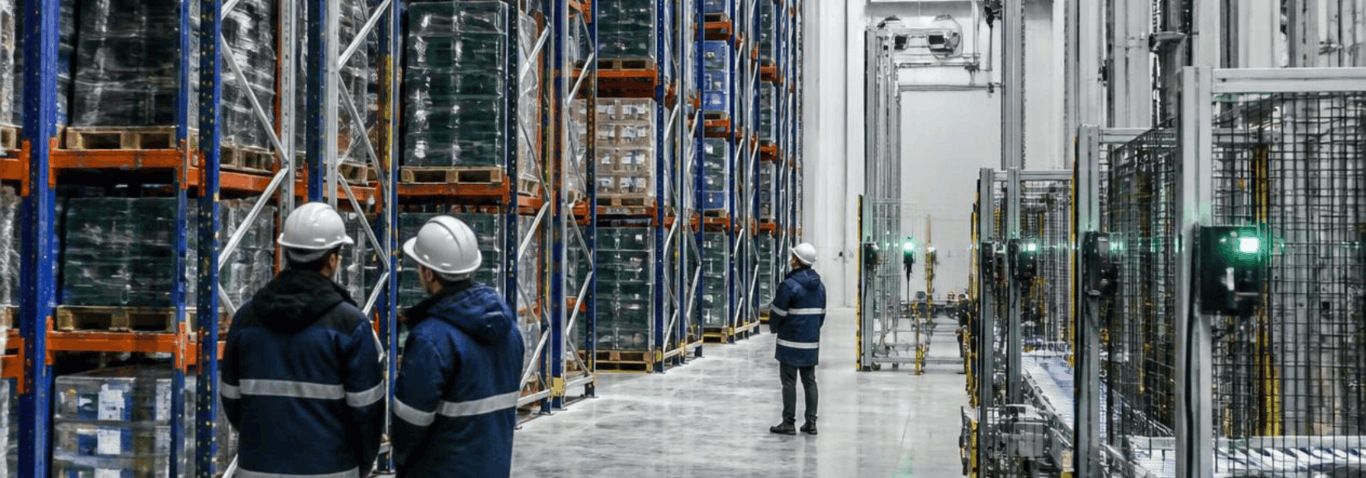
Automated Storage and Retrieval Systems, or ASRS, can change how a cold storage facility uses its available space. Instead of relying on employees to move pallets manually through refrigerated areas, automated equipment can store and retrieve inventory within a structured racking system.
However, introducing ASRS does not simply mean placing an automated system inside an existing cold room. The refrigerated environment needs to be designed around the dimensions, traffic patterns and operating requirements of the automation system.
ASRS can support high density storage while reducing manual movement within temperature controlled environments. The cold room itself still needs to be designed around the ASRS structure, machinery and refrigeration requirements. For logistics operators considering automation, this means the cold room and ASRS should be treated as one integrated project rather than two separate installations.
ASRS Changes the Way Space Is Used
One of the main reasons businesses consider ASRS is the ability to make better use of vertical storage space. Traditional cold rooms depend heavily on floor area, access aisles and manual handling routes, while an automated system can use greater storage height depending on the building and equipment configuration. This can be particularly valuable in Singapore, where land availability places pressure on businesses to maximise the space available for storage.
However, increasing storage height also changes the requirements of the cold room. Room dimensions, structural arrangements, refrigeration distribution and maintenance access all need to accommodate the automated system. The objective is therefore not simply to make the room taller. The entire refrigerated environment needs to work with the ASRS structure while maintaining suitable conditions around stored inventory.
Refrigeration Needs to Account for the ASRS Environment
A conventional cold room is designed around the heat entering the space through doors, walls, products and normal warehouse activity. An ASRS cold room introduces another consideration because automated equipment can generate heat while operating.
Motors, electrical components and control systems may contribute additional heat inside the refrigerated environment. The refrigeration system needs to account for these loads when determining the required cooling capacity. The amount of heat generated will depend on the type and scale of ASRS equipment being used, as well as how frequently it operates.
This is why refrigeration should not be sized solely according to the room volume. The design should consider the inventory, ambient conditions, traffic, equipment heat and expected operating pattern together.
Temperature Distribution Becomes More Important in Taller Rooms
ASRS can allow cold storage facilities to use significantly greater vertical space, but a taller room can create different airflow and temperature distribution considerations. Cold air needs to reach the stored inventory consistently throughout the room. The refrigeration system and evaporator arrangement therefore need to be considered in relation to the height and configuration of the ASRS structure.
If temperature distribution is not properly considered, different areas of a large cold room may respond differently to changes in load or operating conditions. The design should therefore assess how air will circulate around the storage structure and how the refrigeration system will maintain the required conditions throughout the room.
For temperature sensitive inventory, consistent conditions across the storage environment remain important even when access and product movement are automated.
ASRS Can Reduce Human Traffic Inside the Cold Room
One of the operational advantages of ASRS is that employees do not need to spend as much time inside low temperature storage areas. This can be particularly relevant for freezer environments where temperatures can fall significantly below freezing. Kiat Lay notes that industrial cold rooms can operate between 0°C and -35°C, making automated storage and retrieval useful for reducing manual exposure to harsh conditions.
Reducing personnel movement can also influence refrigeration performance. Every time a cold room door opens, warmer ambient air can enter the refrigerated space. Lower levels of human traffic can therefore help reduce unnecessary door opening and air exchange.
The benefit depends on how the ASRS is configured and how goods enter and leave the storage environment, but reduced manual access can be an important consideration when evaluating the overall system.
Traffic Patterns Still Need to Be Considered
Although ASRS reduces manual movement inside the storage area, the facility still has traffic around receiving, loading and dispatch operations. Products need to reach the automated storage system, while retrieved inventory needs to move towards the next stage of the logistics process.
The cold room design should therefore consider the relationship between:
- Receiving areas and ASRS entry points
- Automated storage locations
- Retrieval points
- Picking or staging areas
- Dispatch routes
- Maintenance access
The objective is to prevent bottlenecks outside the automated storage structure. A highly efficient ASRS can still be limited if products cannot move efficiently into or out of the cold room.
The ASRS Structure Should Be Considered Before Cold Room Construction
Unlike a conventional cold room where the internal storage arrangement may be adjusted after construction, ASRS requires a much closer relationship between the storage structure and the building itself. The dimensions of the ASRS, storage height, access points and equipment locations need to be understood before the cold room envelope is finalised.
This allows the insulated panels, doors, refrigeration equipment and other components to be developed around the actual storage system. For example, insufficient clearance around equipment can make maintenance difficult, while poorly positioned refrigeration components may affect airflow or interfere with the automated system. Early coordination can therefore reduce the risk of having to modify the cold room after the ASRS has already been installed.
Maintenance Access Should Be Planned From the Start
Automation does not remove the need for maintenance. The ASRS equipment, refrigeration system, sensors and control components all require inspection and servicing throughout the life of the facility. Maintenance access can be more complicated in a high density automated cold room because equipment may be positioned within a tall and tightly organised structure.
The cold room design should therefore provide practical routes for technicians to reach refrigeration equipment and other service points without unnecessarily disrupting warehouse operations.
The same principle applies to the ASRS structure itself. Kiat Lay works around the ASRS structure as the cold room specialist, while the ASRS equipment is supplied by the automation provider, making coordination between the two parties important from the planning stage.
Energy Efficiency Can Benefit From Reduced Air Exchange
Cold storage facilities consume significant energy because the refrigeration system needs to continuously remove heat from the refrigerated environment. ASRS can potentially support energy efficiency by reducing the amount of human traffic and frequent door opening associated with manual storage and retrieval.
Kiat Lay’s ASRS cold room service notes that reducing air exchange through traffic can lower the refrigeration load in some applications. The exact savings will depend on the facility, operating pattern and system configuration, so the refrigeration design should be based on the actual requirements rather than assuming a fixed reduction. The vertical nature of ASRS can also reduce the roof footprint required for a given storage volume, which may reduce some sources of heat gain in the Singapore climate.
When Existing Cold Rooms Are Being Automated
ASRS does not always form part of a completely new warehouse project. Some businesses may consider automation after an existing cold storage operation has already been established. Retrofitting can be more complicated because the existing room dimensions, insulation, refrigeration system and access arrangements may not have been designed around automated storage.
Before proceeding, operators should assess whether the existing structure can accommodate the proposed ASRS and whether the refrigeration system can support the revised operating environment. Depending on the condition and configuration of the existing cold room, modification or a more comprehensive redesign may be required.
Planning the Cold Room and ASRS as One Project
For logistics businesses considering ASRS, the cold room should be planned around the automation system from the beginning. Room dimensions, refrigeration, airflow, machinery heat, traffic and inventory requirements all influence how the final facility will perform.
Kiat Lay provides Cold Room for Automated Storage Retrieval Systems & Warehouse (ASRS) solutions for businesses that need temperature controlled infrastructure built around an ASRS structure. Its role is to design and construct the cold room environment while coordinating with the ASRS provider on the requirements of the automated system. Kiat Lay also provides Custom Cold Room solutions for businesses with specific storage, traffic and accessibility requirements, allowing the wider cold storage infrastructure to be developed around the operational needs of the facility.
Conclusion
Introducing ASRS into a cold storage facility changes more than the way products are stored and retrieved. The cold room itself needs to accommodate the dimensions of the automated structure, machinery heat, refrigeration requirements, airflow, traffic patterns and long term maintenance needs.
For logistics operators, planning these elements together can help create a more efficient automated cold storage environment while making better use of available vertical space. It can also reduce unnecessary manual movement inside low temperature areas and support more controlled product handling.
Contact Kiat Lay to discuss your ASRS cold room requirements or request a consultation for a solution planned around your storage system, temperature requirements and warehouse operations.