


What a Cold Room Maintenance Inspection Should Cover in Food Manufacturing Facilities
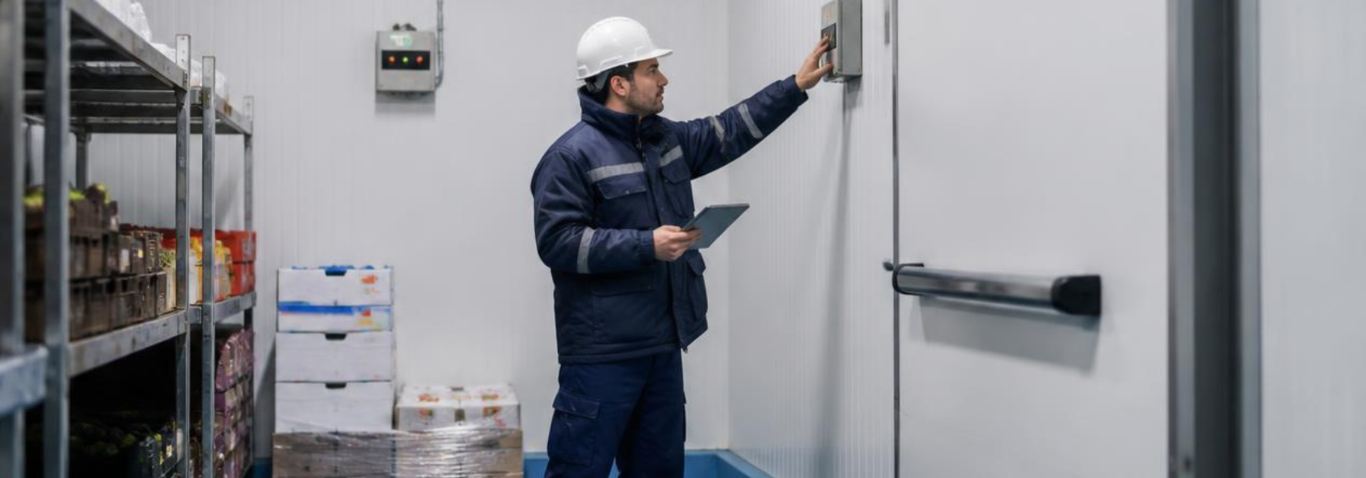
Food manufacturing facilities depend on reliable cold storage to protect raw materials, ingredients and finished products. A cold room may operate continuously for long periods, often supporting production schedules that leave little room for unexpected refrigeration problems.
Regular maintenance can help identify developing issues before they become major failures. However, a useful cold room maintenance inspection should cover more than checking whether the room is still reaching its set temperature.
Once the cold room is operational, regular inspection helps ensure that the refrigeration system, insulation, doors and other components continue supporting those requirements. For food manufacturers, the purpose of maintenance is therefore not simply to repair equipment when something fails. It is to identify changes in performance early and keep the cold room operating reliably as production demands continue.
Refrigeration Performance Should Be Checked Regularly
The refrigeration system is at the centre of cold room performance. A room may still appear to be cold while the system is already working harder than it should. During a maintenance inspection, technicians can review the condition and performance of key refrigeration components, including the compressor, condenser, evaporator, fans, refrigerant system and controls. Unusual pressure readings, restricted airflow or excessive operating time can indicate that the system is no longer performing efficiently.
For food manufacturers, identifying these issues early can be particularly valuable because refrigeration problems can affect both storage conditions and production continuity. A system that is struggling to maintain temperature may also consume more energy. Addressing the underlying problem can therefore help protect products while avoiding unnecessary operating costs.
Temperature Controls Need More Than a Quick Reading
Checking the temperature displayed on a control panel is useful, but it does not provide a complete picture of cold room performance. Temperature sensors and controls should be checked to ensure that readings remain accurate and that the system responds appropriately when conditions change. If sensors are inaccurate, the displayed temperature may not reflect the actual conditions inside the room.
Temperature distribution should also be considered, particularly in larger cold rooms where different areas may experience different airflow patterns. Product placement, door openings and refrigeration equipment can all influence conditions within the space.
A maintenance inspection can therefore help determine whether the system is maintaining the intended environment consistently rather than simply reaching the required temperature at one point in the room.
Insulation and Panel Condition Can Affect Efficiency
The insulated structure of a cold room plays an important role in maintaining the internal temperature. Damaged panels, deteriorating joints or moisture entering through the insulation system can gradually reduce performance.
During an inspection, visible damage to panels and joints should be checked, particularly in areas that experience frequent contact with equipment or products. Signs of moisture, condensation or deterioration around joints can also indicate that further investigation is required.
If insulation problems are left unresolved, the refrigeration system may need to work harder to maintain the required conditions. This can increase energy consumption and place additional load on refrigeration components. For an older food manufacturing facility, reviewing the condition of the insulation can therefore be just as important as checking the refrigeration equipment itself.
Door Seals Are Small Components With a Large Impact
Cold room doors are opened frequently in food manufacturing facilities as ingredients are received, products are moved into storage and finished goods are prepared for dispatch. Every opening allows warmer air to enter the room, while damaged seals can allow additional air leakage even when the door is closed.
Maintenance inspections should therefore include the condition of door seals, hinges, closing mechanisms and surrounding areas. Damaged or deteriorated seals may need to be replaced before they begin affecting temperature stability. Ice or condensation around a door can also indicate that warm air and moisture are entering the room more than they should.
Kiat Lay’s Cool Room Repair and Cold Room Maintenance Services covers component repairs and replacement, including door seals and gaskets, as part of its cold room maintenance and repair work.
Evaporators and Airflow Should Be Kept Clear
Evaporators need to circulate cooled air effectively throughout the cold room. Dirt, ice accumulation or problems with fans can affect how efficiently this happens. The position of stored products can also influence airflow. If pallets are placed too close to evaporators or block important circulation paths, some areas of the room may become more difficult to cool consistently.
Maintenance should therefore include both the condition of the evaporator and the surrounding operating environment. Cleaning, fan inspection and checking for excessive ice accumulation can help maintain effective cooling. Food manufacturers should also review whether changes to storage arrangements have affected airflow since the cold room was originally commissioned.
Drainage and Defrost Systems Should Not Be Ignored
Cold rooms generate moisture through normal operation, door openings and defrosting. If drainage systems become blocked or defrost systems do not operate correctly, water and ice can accumulate inside the room. This can create hygiene and operational concerns, particularly in food manufacturing environments where cleaning and sanitation are important parts of daily operations.
A maintenance inspection should therefore include drainage points, drain lines and defrost components. Any unusual ice accumulation, standing water or recurring drainage problem should be investigated rather than treated as a normal part of cold room operation. Resolving these issues early can help prevent more extensive refrigeration or structural problems later.
Electrical and Control Components Need Inspection
Refrigeration equipment depends on electrical and control components to operate correctly. Faulty sensors, loose connections or control issues can cause the system to behave unpredictably even when the mechanical components appear to be functioning normally.
An inspection should review the condition of relevant electrical connections, controls, sensors and protective components. Where appropriate, technicians can also check whether the system is drawing electricity within expected operating conditions. For food manufacturers, this can help identify problems that may otherwise appear as unexplained temperature fluctuations, frequent cycling or increasing energy consumption.
What Should Be Reviewed During Maintenance?
The exact maintenance programme will depend on the size, age and usage of the cold room, but several areas should generally be considered together.
|
Area |
What to Check |
|
Refrigeration |
Compressor, condenser, evaporator and refrigerant performance |
|
Temperature control |
Sensors, thermostats and temperature readings |
|
Insulation |
Panels, joints, seals and signs of moisture |
|
Doors |
Seals, hinges, handles and closing mechanisms |
|
Airflow |
Evaporator fans, ice build up and storage arrangement |
|
Drainage |
Drain lines, water accumulation and defrost operation |
|
Electrical |
Connections, controls and operating performance |
Reviewing these areas together can provide a better indication of the overall condition of the cold room than focusing on a single component.
Maintenance Frequency Should Reflect Facility Usage
Not every cold room operates under the same conditions. A small facility with limited daily access may have different maintenance requirements from a large food manufacturing cold room operating continuously across multiple shifts. Usage, temperature requirements, equipment age and production volume should all be considered when determining an appropriate maintenance schedule.
Kiat Lay provides Industrial Refrigeration Maintenance and Repair services for food manufacturing, logistics, cold storage and pharmaceutical facilities. Its maintenance programmes include temperature calibration, refrigerant checks, condenser and evaporator cleaning, compressor inspection and control system testing.
A maintenance programme can therefore be structured around the actual load and operating requirements of the facility rather than following the same schedule for every cold room.
When an Inspection Finds a Problem
A maintenance inspection does not always mean that a major repair is required. Some issues can be addressed through cleaning, adjustment, calibration or replacement of a relatively small component.
Other problems may require more detailed diagnostics to identify the underlying cause. For example, repeated temperature fluctuations could result from refrigeration performance, insulation problems, door leakage or airflow restrictions. Addressing the cause rather than simply correcting the visible symptom is important because the same problem may return if its underlying source remains unresolved.
Keeping a Maintenance Record Can Support Better Planning
Maintenance records can help food manufacturers identify recurring problems and understand how the cold room is performing over time. Recording service visits, component replacements, temperature issues and repairs can make it easier to identify patterns. For example, repeated door seal replacements may indicate unusually high traffic or a problem with the door itself, while recurring refrigeration faults may suggest that a larger system review is required.
These records can also help maintenance teams plan future work instead of relying entirely on reactive repairs. For facilities with demanding production schedules, having a clearer maintenance history can make it easier to coordinate servicing around quieter periods and reduce disruption to operations.
Conclusion
A useful cold room maintenance inspection should look beyond the temperature displayed on the control panel. Refrigeration equipment, temperature controls, insulation, doors, airflow, drainage and electrical components all need to work together to maintain reliable cold storage.
For food manufacturers, regular inspection can provide an opportunity to identify small changes in performance before they become larger operational problems. The right maintenance frequency should reflect the facility’s usage, equipment condition and production requirements.
Contact Kiat Lay to discuss your cold room maintenance requirements or request a consultation for a maintenance programme suited to your facility and operating conditions.