


How to Minimise Warehouse Downtime Through Preventive Cold Room Maintenance
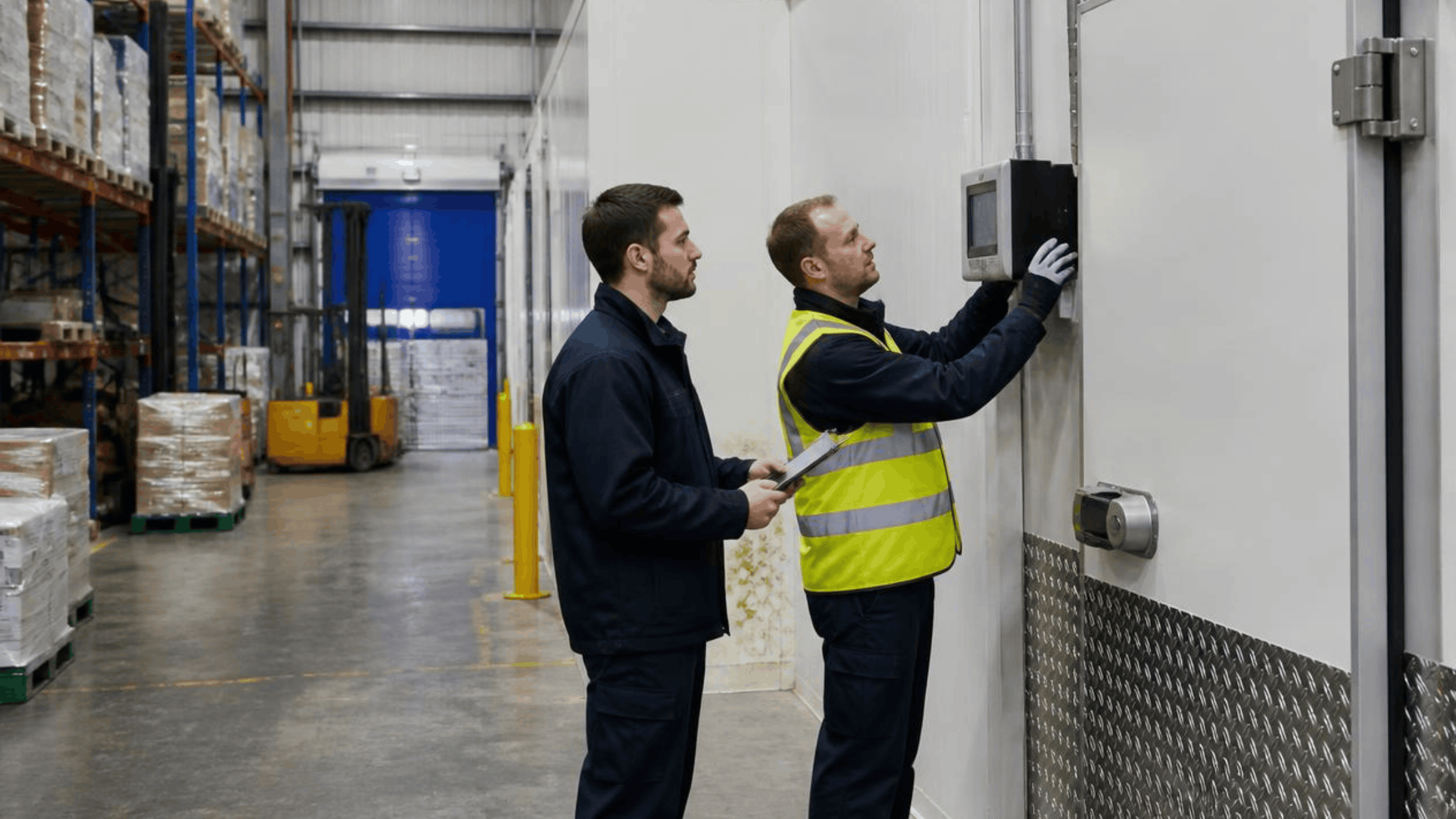
Warehouse operations depend on consistency. Products arrive according to scheduled deliveries, customer orders follow committed dispatch times and inventory moves continuously throughout the day. When refrigerated storage becomes unavailable because of unexpected equipment failure, the impact extends well beyond the cold room itself. Receiving activities may be delayed, outbound deliveries disrupted and temperature sensitive inventory placed at unnecessary risk.
Many businesses only arrange servicing after refrigeration performance begins to deteriorate or equipment stops operating altogether. While corrective repairs remain an important part of asset management, relying solely on reactive maintenance often results in higher operational costs and avoidable disruptions. Emergency repairs frequently occur during busy operating periods when warehouse teams are least prepared to manage unexpected downtime.
An effective warehouse cold room maintenance programme focuses on preventing these situations before they occur. Regular inspections, planned servicing and performance reviews help businesses identify developing issues early, allowing maintenance activities to be scheduled with minimal impact on warehouse operations.
Rather than viewing maintenance as a routine technical requirement, warehouse operators should treat it as part of a broader operational strategy that protects inventory, supports productivity and improves long term refrigeration reliability.
Maintenance Should Be Planned Around Warehouse Activities
The most effective maintenance programmes are developed around operational schedules rather than equipment availability alone. Warehouses rarely operate at the same level of activity throughout the year. Seasonal demand, promotional campaigns and customer purchasing patterns can significantly increase inventory volumes during certain periods. Carrying out major servicing immediately before these peak operating periods allows businesses to reduce the likelihood of unexpected refrigeration problems when warehouse activity is at its highest.
Maintenance planning should also consider daily operating patterns. Servicing carried out during quieter periods can minimise disruption to receiving activities, inventory replenishment and dispatch operations while providing maintenance teams with safer access to refrigeration equipment. Aligning maintenance schedules with warehouse operations helps improve equipment reliability without unnecessarily interrupting day to day business activities.
Small Performance Changes Often Indicate Larger Problems
Cold room equipment rarely fails without warning. In many cases, small changes in performance begin appearing long before major refrigeration issues develop. Warehouse personnel may notice that refrigeration systems operate for longer periods than usual, door areas develop excessive condensation or products take longer to return to their normal storage temperature after deliveries. Although these changes may appear minor, they often indicate that refrigeration components require inspection or adjustment.
Consider a distribution warehouse storing chilled food products during a period of increased inventory turnover. Frequent door openings may initially appear to be the only reason for slightly higher internal temperatures. However, a maintenance inspection may reveal worn door seals that allow additional warm air to enter the cold room, increasing compressor workload throughout the day. Recognising these early indicators allows businesses to arrange maintenance before equipment performance deteriorates further or product quality becomes affected.
Maintenance Records Support Better Operational Decisions
Preventive maintenance involves more than completing routine inspections. Accurate maintenance records provide valuable operational information that helps businesses understand how refrigeration equipment performs over time.
Tracking servicing history, repair frequency and equipment performance allows warehouse operators to identify recurring issues before they become major operational concerns. A refrigeration unit that repeatedly requires the same repair may indicate the need for component replacement or a broader review of system performance.
Maintenance records also help businesses plan future budgets and replacement programmes more effectively. Rather than waiting for equipment failure, warehouse operators can make informed decisions based on long term performance trends, reducing the likelihood of unexpected capital expenditure. Keeping well organised maintenance records therefore supports both operational reliability and long term asset management.
Warehouse Maintenance Checklist Before Peak Operating Periods
Rather than waiting for refrigeration problems to occur, warehouse operators should complete a structured maintenance review before periods of increased inventory activity. Preparing refrigeration systems in advance reduces the likelihood of unexpected failures while improving confidence that the facility can continue operating reliably during busy seasons.
The following checklist highlights several areas that should be reviewed as part of a preventive maintenance programme. Completing these activities before seasonal demand increases allows warehouse operators to address developing issues under planned conditions rather than responding to emergency equipment failures during critical business periods.
|
Maintenance Checklist |
Purpose |
|
Inspect door seals for wear or air leakage |
Prevents unnecessary temperature fluctuations and reduces compressor workload |
|
Verify refrigeration system performance |
Confirms equipment is maintaining the required storage temperature |
|
Clean evaporator and condenser components |
Improves cooling efficiency and supports stable operation |
|
Test alarm and monitoring systems |
Ensures faults can be identified and addressed promptly |
|
Check drainage and defrost systems |
Reduces ice accumulation and potential operational disruptions |
|
Review maintenance records for recurring issues |
Identifies trends that may require corrective action before peak demand |
Preventive Maintenance Costs Less Than Operational Disruption
The cost of preventive maintenance is often evaluated against the immediate expense of scheduled servicing. However, this comparison does not reflect the wider operational consequences of unexpected refrigeration failures. A cold room breakdown may interrupt receiving activities, delay customer deliveries and require warehouse teams to reorganise inventory at short notice. Temperature sensitive products may also require additional quality assessments before they can be released for distribution, increasing both labour requirements and operational uncertainty.
Preventive maintenance reduces these risks by identifying equipment wear before failures occur. Planned servicing also provides greater flexibility because maintenance activities can be scheduled during quieter operating periods, allowing businesses to minimise disruption while maintaining refrigeration reliability.
For warehouses handling high value or temperature sensitive inventory, maintaining consistent refrigeration performance is often far more valuable than delaying routine servicing in an attempt to reduce short term operating costs.
Building a Preventive Maintenance Culture Across Warehouse Operations
Preventive maintenance is most effective when it becomes part of daily warehouse operations rather than a task carried out only by maintenance contractors. Warehouse supervisors, operations personnel and facility managers all play an important role in identifying changes that may indicate developing refrigeration issues. For example, employees responsible for receiving deliveries may notice that cold room doors are taking longer to close, while warehouse teams replenishing inventory could observe unusual ice formation or changes in internal temperatures during normal operations. Reporting these observations promptly allows maintenance teams to investigate potential issues before they affect refrigeration performance.
Encouraging regular communication between warehouse operations and maintenance personnel also improves maintenance planning. Instead of responding only after equipment performance has declined, businesses can schedule inspections based on operational observations, helping reduce unexpected downtime while supporting more reliable cold room performance throughout the year.
Reliable Maintenance Supports Long Term Warehouse Performance
Cold room maintenance should be viewed as an ongoing operational strategy rather than an isolated technical task. Regular servicing, systematic inspections and timely repairs all contribute to maintaining reliable warehouse performance while extending the operational life of refrigeration equipment.
Kiat Lay provides Cool Room Repair and Cold Room Maintenance Services in Singapore, helping businesses maintain refrigeration reliability through scheduled servicing, inspections and responsive repair support. For warehouses planning equipment upgrades or operational improvements, Kiat Lay also provides Cold Room For Automated Storage Retrieval Systems & Warehouse (ASRS) and Custom Cold Room solutions that support long term operational efficiency alongside dependable refrigeration performance.
Conclusion
An effective warehouse cold room maintenance programme protects much more than refrigeration equipment. It helps warehouses maintain reliable daily operations, reduce the risk of unexpected downtime and support consistent product quality throughout the supply chain.
By planning maintenance around warehouse activities, monitoring equipment performance and addressing minor issues before they develop into major failures, businesses can improve operational resilience while reducing long term repair costs.
Contact Kiat Lay today to discuss your cold room maintenance requirements or request a consultation to develop a servicing programme that supports reliable warehouse operations and long term refrigeration performance.