


How Often Should a Commercial Cold Room Be Serviced?
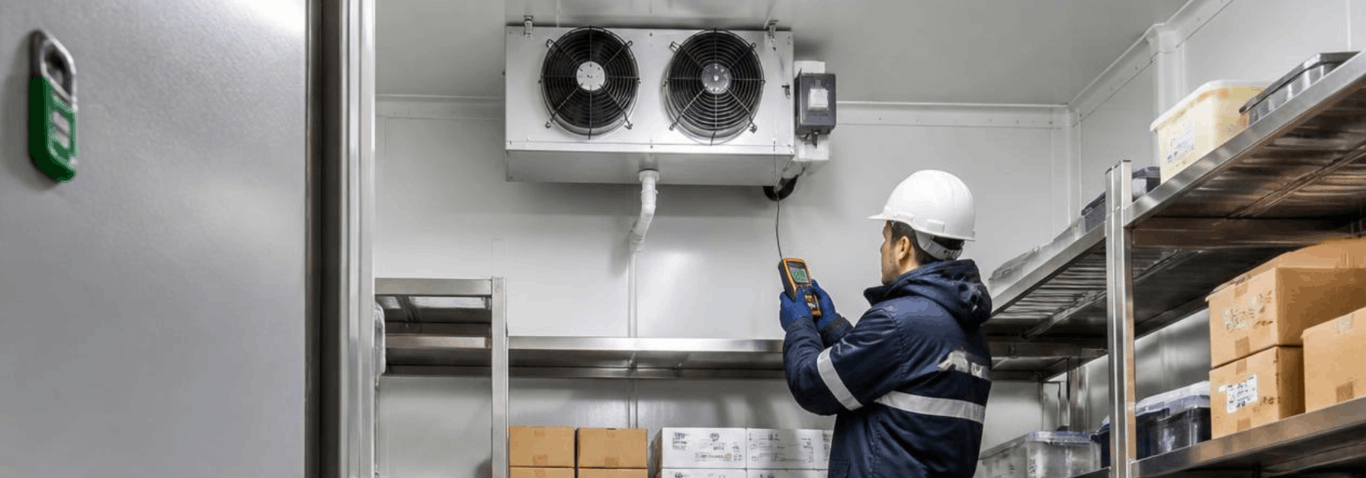
A commercial cold room is a critical part of daily operations across many industries, including food manufacturing, pharmaceutical production, hospitality and logistics. Businesses rely on consistent refrigeration performance to protect temperature sensitive products while keeping operations running efficiently.
Unlike equipment that only requires attention when a fault occurs, commercial cold rooms benefit from routine servicing throughout their operational life. Preventive maintenance helps identify potential issues before they develop into unexpected breakdowns, allowing businesses to maintain reliable refrigeration performance and reduce operational disruptions.
One of the most common questions facility managers ask is how often a commercial cold room should be serviced. While there is no single maintenance schedule suitable for every facility, servicing frequency should be planned around how the cold room is used, the operating environment and the condition of the refrigeration system.
This article explains the factors that influence servicing frequency and why preventive maintenance plays an important role in protecting long term system performance.
Preventive Servicing Is Not the Same as Repairs
Many businesses arrange servicing only after a refrigeration problem becomes obvious. However, maintenance and repairs serve different purposes.
Repairs are carried out after a fault has already affected system performance. Preventive servicing, on the other hand, focuses on identifying wear, checking critical components and maintaining reliable operation before failures occur.
Cold rooms operating continuously often experience gradual changes that may not be immediately noticeable. Minor temperature variations, worn door seals or declining refrigeration efficiency can develop over time without causing an immediate breakdown. Regular servicing helps identify these issues early, reducing the likelihood of more extensive repairs later.
Facilities that have already noticed temperature fluctuations, ice build up or slower cooling performance should arrange an inspection promptly rather than waiting for the problem to become more serious.
What Influences Servicing Frequency?
There is no universal maintenance schedule because every cold room operates under different conditions. Instead of following a fixed timeline, businesses should consider several operational factors when planning preventive servicing.
Some of the most important considerations include:
- Daily operating hours
- Number of door openings throughout the day
- Types of products being stored
- Ambient operating environment
- Age of the refrigeration system
- Manufacturer recommendations
- Previous maintenance history
A cold room supporting continuous production or high volume distribution is likely to require more frequent inspections than one operating under lighter daily workloads.
Reviewing how the cold room is used throughout the year can also help businesses refine their maintenance programme. Seasonal changes in demand, production schedules or storage volumes may influence how frequently inspections should be carried out to support reliable refrigeration performance.
Factors That Increase Maintenance Requirements
Although servicing schedules differ from one facility to another, certain operating conditions place greater demands on refrigeration systems. Understanding these factors helps facility managers plan maintenance more effectively.
-
Operating Hours
Cold rooms operating continuously throughout the day generally experience greater wear than systems used only during specific operating hours.
Facilities supporting food manufacturing, logistics and hospitality often have frequent door openings and constant product movement, increasing the workload on refrigeration equipment. More intensive usage typically requires closer monitoring and more regular inspections.
-
Product Movement
Frequent loading and unloading can affect cold room performance over time.
Every time the door is opened, warm air enters the storage area, forcing the refrigeration system to restore the required temperature. Facilities with high inventory turnover should pay particular attention to door seals, evaporator performance and overall system efficiency during routine servicing.
Where cold rooms support warehouse operations with continuous stock movement, careful planning and regular maintenance help maintain reliable refrigeration performance over the long term.
-
Operating Environment
The surrounding environment also influences servicing requirements.
Facilities located in warmer environments, kitchens with high ambient temperatures or production areas exposed to dust and moisture may place additional strain on refrigeration equipment.
Routine inspections allow technicians to identify issues caused by environmental conditions before they affect cooling performance or increase energy consumption.
-
Equipment Age
As refrigeration systems become older, components naturally experience wear through daily operation.
Older systems do not always require replacement, but they may benefit from more frequent inspections to maintain reliable performance. Preventive servicing helps identify components that require adjustment or replacement before they result in unexpected breakdowns.
Maintaining service records also provides a clearer understanding of equipment condition over time, allowing maintenance activities to be planned more efficiently.
A Practical Maintenance Checklist
Rather than waiting for a problem to occur, facility managers should regularly review the overall condition of the cold room.
The following checklist provides a useful starting point during routine inspections.
- Internal temperature remains consistent
- Door seals are clean and undamaged
- No unusual noise from refrigeration equipment
- Evaporator and condenser units are free from excessive dirt or debris
- Drainage systems are functioning properly
- Interior lighting and temperature monitoring systems are operating normally
- Products are organised to allow good airflow throughout the cold room
If any of these areas require attention, arranging professional servicing early can help prevent more significant issues later.
Regular inspections also complement a well designed cold room. Facilities that have been planned with appropriate layouts, equipment access and refrigeration capacity are generally easier to maintain throughout their operational life.
Planning Maintenance as Part of Daily Operations
Preventive maintenance is most effective when it becomes part of normal facility management rather than an activity performed only after equipment failures occur.
Many organisations include scheduled servicing within their broader maintenance programme to reduce operational interruptions and maintain consistent refrigeration performance throughout the year.
A structured maintenance approach also provides greater visibility into equipment condition, making it easier to plan future repairs, equipment upgrades and operational budgets.
Choosing a Cold Room Maintenance Partner
Preventive maintenance is most effective when carried out by technicians who understand both refrigeration systems and the operational requirements of commercial cold rooms.
Beyond routine servicing, an experienced maintenance provider can identify developing issues, recommend practical improvements and help extend the service life of refrigeration equipment. This allows businesses to address potential problems before they affect daily operations or result in unexpected downtime.
When evaluating a maintenance provider, consider whether they offer:
- Preventive maintenance programmes
- Troubleshooting and repair services
- Routine system inspections
- Technical support for ageing refrigeration systems
- Experience across different industries and applications
Choosing a maintenance partner with relevant experience helps ensure servicing activities are aligned with the operational demands of the facility.
Conclusion
There is no single maintenance schedule suitable for every commercial cold room. Servicing frequency should be determined by how the facility operates, the products being stored, daily usage patterns and the condition of the refrigeration system.
Rather than waiting for equipment failures, regular inspections and preventive servicing allow businesses to maintain reliable refrigeration performance while reducing the risk of costly disruptions. A planned maintenance programme also helps improve energy efficiency, extend equipment lifespan and provide greater confidence in day to day operations.
Whether your cold room supports food manufacturing, pharmaceutical production, hospitality or logistics operations, investing in routine servicing is an important step towards maintaining long term system reliability, improving operational efficiency, reducing downtime and protecting valuable temperature-sensitive products.
If you are reviewing your current maintenance programme or planning preventive servicing for a commercial cold room, request a consultant with Kiat Lay about a maintenance solution tailored to your operational requirements. Our team provides inspection, servicing and repair support for commercial cold rooms across a wide range of industries.