


How to Build an Effective Cold Room Maintenance Schedule
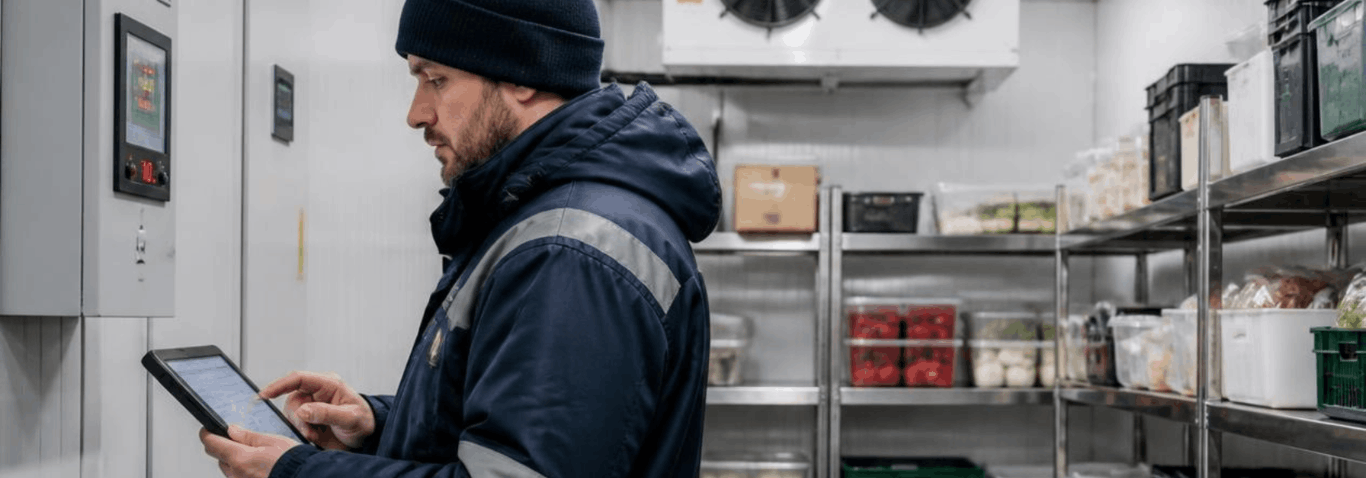
Many businesses understand the importance of maintaining their cold rooms, yet far fewer have a structured plan that defines when inspections should take place and what should be checked during each service visit. Maintenance often becomes reactive, carried out only after equipment begins showing signs of poor performance or an unexpected breakdown disrupts daily operations.
A well organised cold room maintenance schedule helps businesses move away from this reactive approach. Instead of waiting for faults to appear, routine inspections identify gradual wear, declining performance and minor issues before they affect refrigeration reliability. Recognising the early warning signs of equipment issues is equally important, as many problems develop long before they result in a complete system failure.
Whether a cold room supports food manufacturing, pharmaceutical storage, hospitality operations or warehouse logistics, a planned maintenance schedule provides greater confidence that refrigeration equipment will continue performing consistently throughout the year.
Why Maintenance Schedules Often Fail
One of the biggest misconceptions about cold room maintenance is that servicing should only be arranged when equipment appears to have a problem. While this approach may reduce maintenance visits in the short term, it often increases repair costs over time because developing faults remain unnoticed until they become more serious.
Another common issue is relying on generic servicing intervals without considering how the cold room is actually used. Two facilities may have identical refrigeration systems but completely different maintenance requirements. A cold room operating around the clock with constant door openings will experience significantly different levels of wear compared with one that is accessed only a few times each day.
An effective maintenance schedule reflects real operating conditions rather than following a fixed calendar alone. It should consider equipment workload, storage temperatures, environmental conditions and the critical nature of the products being stored.
Building a Schedule Around Operational Requirements
The most effective maintenance programmes begin by understanding how the cold room supports the business. Facilities storing fresh food, frozen products or temperature sensitive pharmaceuticals often have very different operational priorities. Some businesses require uninterrupted refrigeration throughout the year, while others experience seasonal peaks that place additional demands on cooling equipment.
Before deciding how frequently servicing should take place, businesses should evaluate several operational factors:
- Daily operating hours of the refrigeration system
- Frequency of door openings
- Volume of products moving through the cold room
- Required storage temperature
- Age of the refrigeration equipment
- Previous maintenance history
- Manufacturer recommendations
Looking at these factors together allows maintenance schedules to reflect actual business needs instead of relying on assumptions.
Different Components Require Different Inspection Frequencies
Not every part of a refrigeration system requires attention during every service visit. Some components benefit from routine monthly inspections, while others only need to be checked quarterly or annually. Understanding these differences allows maintenance resources to be allocated more efficiently without compromising system reliability.
For example, door seals and temperature readings should be monitored regularly because they directly affect cooling performance. Electrical systems, refrigerant levels and compressor performance may require more comprehensive inspections at longer intervals depending on equipment condition and operating intensity.
A balanced maintenance schedule focuses on both high frequency visual inspections and more detailed technical servicing, ensuring the entire refrigeration system continues operating safely and efficiently.
A Practical Maintenance Timeline
Rather than treating every maintenance visit the same, businesses can organise servicing activities according to priority and frequency. This structured approach helps ensure essential maintenance tasks are completed consistently while reducing the likelihood of important inspections being overlooked.
|
Maintenance Frequency |
Typical Activities |
|
Monthly |
Visual inspection, door seal checks, temperature verification, cleaning accessible surfaces |
|
Quarterly |
Refrigeration performance testing, evaporator cleaning, electrical inspections, drainage checks |
|
Every 6 Months |
Refrigerant system inspection, fan motor assessment, control system testing |
|
Annually |
Comprehensive system servicing, performance evaluation and long term maintenance planning |
Staff Awareness Is Part of an Effective Maintenance Schedule
Even the most comprehensive maintenance schedule can be undermined if day to day operational practices are overlooked. Employees who use the cold room regularly are often the first to notice changes in equipment performance, such as unusual noises, condensation around doors or inconsistent temperatures. Encouraging staff to report these observations promptly allows maintenance teams to investigate potential issues before they escalate into costly repairs.
Simple operational habits also contribute to the success of a maintenance programme. Ensuring doors are not left open unnecessarily, avoiding blocked air circulation and following correct loading practices can reduce strain on the refrigeration system between scheduled service visits. When routine maintenance is supported by good operational discipline, businesses are more likely to achieve reliable cooling performance and extend the lifespan of their cold room equipment.
Monitoring Performance Helps Prevent Unnecessary Repairs
Creating a maintenance schedule is only the first step. To ensure it remains effective, businesses should regularly monitor how the cold room performs between scheduled service visits. Changes in cooling efficiency, longer compressor running times or unexplained increases in energy consumption may indicate that the maintenance plan needs to be adjusted.
Keeping simple maintenance records also makes it easier to identify recurring issues. If the same component repeatedly requires repairs, it may be more cost effective to replace it instead of continuing with temporary fixes. Reviewing maintenance history helps businesses make informed decisions based on equipment performance rather than reacting only when problems become urgent.
Maintenance Schedules Should Evolve with Business Operations
A maintenance schedule should not remain unchanged throughout the lifespan of a cold room. As businesses expand, introduce new products or increase production capacity, refrigeration systems are often subjected to heavier workloads than originally planned.
For example, a cold room that previously supported a single production shift may later operate almost continuously to accommodate higher demand. Increased door openings, greater product movement and longer operating hours can all accelerate component wear. Reviewing the maintenance schedule periodically ensures servicing intervals continue to reflect actual operating conditions instead of relying on outdated assumptions.
This proactive approach helps businesses maintain consistent refrigeration performance while reducing the likelihood of unexpected equipment failures during busy periods.
What Makes a Maintenance Schedule Effective?
An effective maintenance schedule is more than a calendar of service dates. It should establish clear responsibilities, define inspection priorities and ensure maintenance activities are completed consistently throughout the year.
Some practical elements that businesses should include are:
- A servicing calendar with planned inspection dates
- Routine temperature monitoring and record keeping
- Regular checks of door seals, evaporator coils and drainage systems
- Scheduled testing of electrical and control components
- Maintenance reports documenting completed work and recommended follow up actions
By combining routine inspections with accurate documentation, businesses can better anticipate maintenance requirements and avoid unnecessary operational disruptions.
Supporting Long Term Reliability with Professional Maintenance
Even the most carefully planned maintenance schedule depends on consistent execution. Working with experienced refrigeration specialists helps ensure inspections are carried out thoroughly, potential issues are identified early and servicing is completed according to industry best practices.
Kiat Lay’s Cool Room Repair and Cold Room Maintenance Services in Singapore support businesses with structured maintenance programmes tailored to different operational environments, from food manufacturing facilities to pharmaceutical storage and commercial warehouses. For businesses planning new refrigeration facilities or upgrading existing ones, Custom Cold Room solutions can also be integrated with long term maintenance planning to maximise equipment reliability and operational efficiency.
Conclusion
A well planned cold room maintenance schedule helps businesses protect one of their most important operational assets. Rather than waiting for equipment failures, scheduled maintenance allows potential issues to be identified early, improves refrigeration efficiency and supports consistent temperature control throughout the year.
By reviewing maintenance requirements regularly and adapting servicing intervals to operational demands, businesses can reduce unexpected downtime, extend equipment lifespan and achieve more predictable long term operating costs.
Whether you require routine servicing for an existing cold room or are planning a maintenance programme for a new refrigeration facility, contact Kiat Lay to discuss solutions that help keep your cold room operating safely, efficiently and reliably throughout the year.