


Maintaining Hotel Cold Rooms During High Occupancy Periods
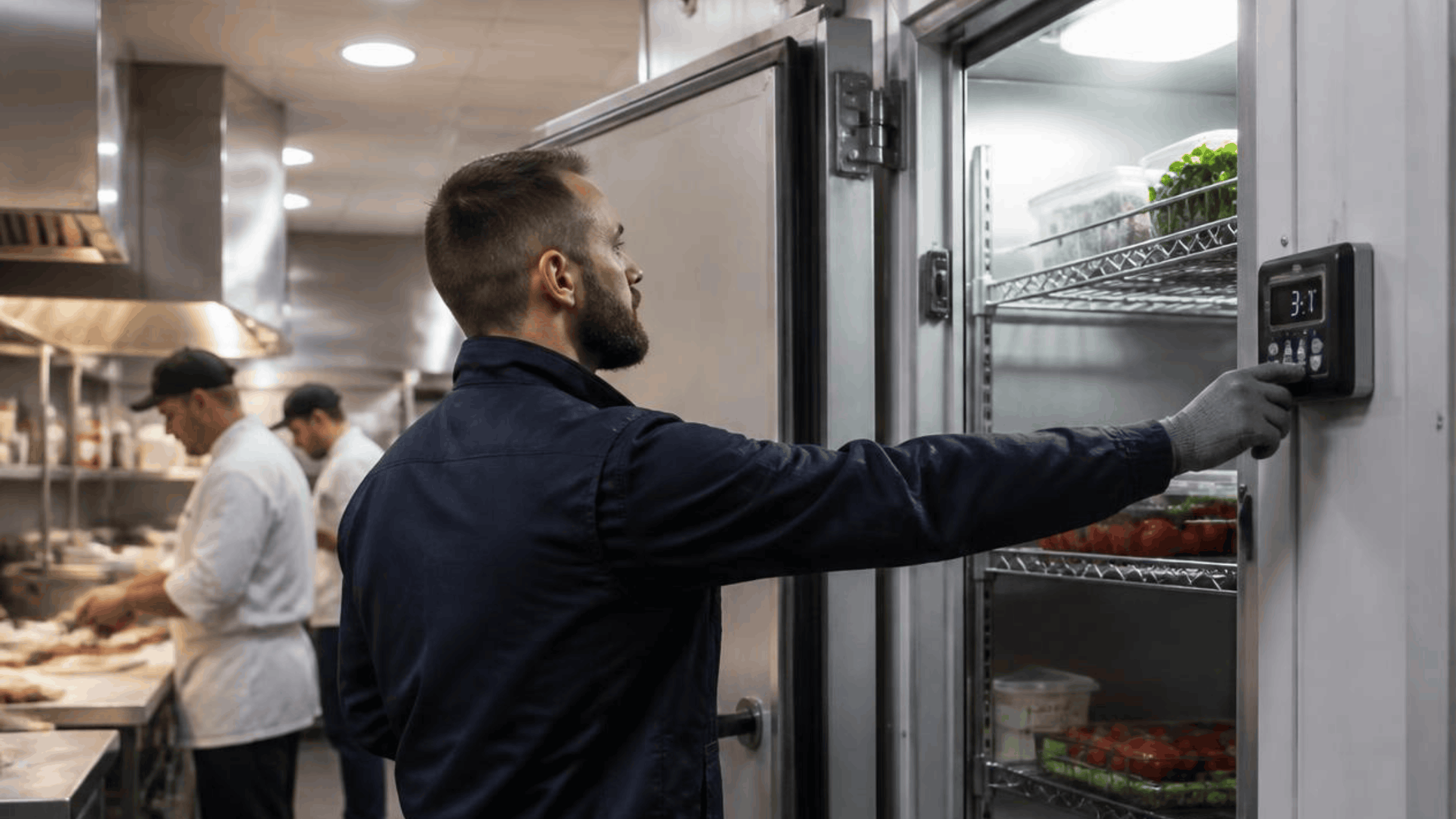
Hotel cold rooms can experience significantly higher usage when occupancy increases. More guests often mean more meals, more ingredients and more frequent movement between the kitchen and refrigerated storage areas. During festive periods, conferences, weddings and other large events, the additional demand can continue for several days or even weeks.
This increased activity places greater pressure on refrigeration equipment and the cold room itself. Doors may be opened more frequently, larger quantities of products may be loaded at once and kitchen teams may spend more time retrieving ingredients throughout the day.
Hotel operators can therefore benefit from reviewing cold room maintenance before a busy period begins rather than waiting for a refrigeration problem to appear during peak operations.
Why High Occupancy Can Put More Pressure on a Cold Room
A hotel cold room may operate normally during quieter periods but face very different conditions when guest numbers increase. More ingredients need to be stored, kitchen staff may enter the room more often and larger deliveries may arrive at the same time. These activities can increase the refrigeration load and make temperature recovery more important.
The additional demand does not necessarily mean the cold room is unsuitable. However, it does mean that equipment condition, storage arrangement and operating practices become more important. Hotels should understand their expected peak activity before major events or high occupancy periods so that potential weaknesses can be addressed early.
Frequent Door Opening Can Affect Temperature Stability
One of the most common changes during busy hotel operations is increased door traffic. Kitchen staff may enter the cold room repeatedly to retrieve meat, seafood, produce, dairy products and prepared ingredients. Each opening allows warmer air to enter the room, while longer opening times can increase the amount of heat introduced.
The effect can become more noticeable when several kitchen teams are working simultaneously. The solution is not to prevent staff from accessing the cold room. Instead, hotels can review how products are arranged and whether frequently used ingredients are easy to access. A practical storage layout can reduce unnecessary searching and shorten the time the door remains open.
Refrigeration Equipment Should Be Checked Before Peak Periods
A refrigeration system operating under normal conditions may have enough capacity for daily demand, but weaknesses can become more obvious when the load increases. Compressors, condenser units, evaporators, fans and temperature controls should be reviewed as part of planned maintenance. Unusual operating sounds, longer cooling cycles or inconsistent temperature readings can indicate that a component requires attention.
Addressing these issues before a high occupancy period can be preferable to discovering a fault when the kitchen is already operating at full capacity. Regular maintenance can also help identify components that may require replacement before they cause an unexpected breakdown.
Storage Arrangement Matters During Busy Periods
High occupancy does not only increase the quantity of food stored. It can also change how products are arranged inside the cold room. Hotels may temporarily store larger quantities of ingredients for banquets, festive menus or special events. If products are placed without considering airflow and access, the additional stock can make the room more difficult to operate.
A practical arrangement should maintain sufficient clearance around refrigeration equipment while keeping frequently accessed products reasonably easy to reach.
|
Area to Review |
Why It Matters During Peak Periods |
|
Door access |
Higher traffic can increase heat entering the room |
|
Storage layout |
Poor arrangement can restrict access and airflow |
|
Refrigeration |
Higher loads can expose existing equipment issues |
|
Door seals |
Damaged seals can increase air leakage |
|
Temperature controls |
Accurate readings help identify changes quickly |
|
Drainage |
Higher usage and cleaning activity can increase drainage demand |
The aim is to accommodate higher inventory without compromising the basic conditions needed for effective refrigeration.
Door Seals Should Not Be Overlooked
Door seals are relatively small components, but their condition can influence how well a cold room maintains its internal temperature. A damaged or deteriorated seal can allow cold air to escape and warm air to enter even when the door is closed. During a busy period, the effect can become more noticeable because the door is already being opened frequently.
Hotels can include door seals and closing mechanisms in routine inspections before periods of high occupancy. Signs such as condensation, frost or visible gaps around the door may indicate that further attention is required. Replacing a worn seal can be a relatively simple intervention compared with dealing with a larger refrigeration problem later.
Condenser and Evaporator Performance Also Matters
The condenser and evaporator play different but equally important roles in the refrigeration system. The condenser needs to release heat effectively, while the evaporator absorbs heat from the cold room. Dirt, restricted airflow or component issues can reduce their efficiency.
In a hotel environment, refrigeration equipment may operate for long periods with limited opportunity for downtime. Regular cleaning and inspection can therefore help maintain performance when the cold room is under heavier use.
The surrounding environment should also be considered. Equipment areas need sufficient airflow and practical access for servicing so that technicians can carry out inspections without unnecessary disruption.
Temperature Records Can Help Identify Changes
Temperature monitoring provides useful information beyond simply confirming that the room is cold enough. Hotels can compare temperature records from normal periods with those from high occupancy periods to identify whether recovery takes longer or fluctuations become more frequent.
For example, if temperature changes consistently occur during breakfast preparation or evening service, the pattern may suggest that traffic and operating activity are contributing to the increased load.
This information can help maintenance teams investigate the cause instead of responding only when a temperature alarm occurs. It can also help hotel operators determine whether the current cold room continues to provide enough capacity for the property’s changing operation.
Maintenance Should Be Planned Around Hotel Operations
Hotel kitchens cannot always stop operating for maintenance. Servicing therefore needs to be coordinated around occupancy, meal periods and scheduled events. Where possible, maintenance can be arranged during quieter periods when fewer products are being moved and kitchen activity is lower.
Hotels should also avoid scheduling major maintenance immediately before an important event unless the work is necessary. Giving technicians sufficient time to inspect, repair and test the system can reduce the likelihood of entering a peak period with unresolved issues.
Planned maintenance is particularly useful when the property operates several cold rooms because servicing can be scheduled across different areas rather than disrupting all refrigerated storage at once.
What Should Be Checked Before a Busy Period?
A pre peak inspection does not need to involve unnecessary work. The objective is to identify components or conditions that could affect reliability when usage increases.
A practical review can include:
- Refrigeration performance and operating condition
- Temperature sensors and controls
- Door seals and closing mechanisms
- Evaporator and condenser condition
- Drainage and defrost systems
- Insulation panels and joints
- Electrical connections
- General cleanliness around refrigeration equipment
The exact scope should depend on the age, condition and usage of the cold room. For older systems or rooms that have experienced repeated faults, a more detailed diagnostic assessment may be appropriate before the busy period begins.
When Increased Demand Reveals an Existing Problem
Peak occupancy can sometimes expose problems that are already developing. A cold room may appear to perform adequately during quieter periods because the refrigeration system has enough recovery time between periods of activity. When usage increases, the same system may struggle to maintain stable conditions. This does not automatically mean the entire cold room needs replacement.
The underlying issue may involve a door seal, refrigeration component, airflow restriction, insulation problem or storage arrangement. Identifying the actual cause allows the hotel to determine whether a repair or wider improvement is appropriate.
This is one reason why reviewing maintenance records and temperature patterns before peak periods can be useful.
Planning for Repeated High Occupancy
Some hotels experience predictable periods of high demand every year. Festive seasons, wedding periods, conferences and holiday peaks may create recurring pressure on cold storage.
If the same cold room repeatedly reaches capacity or experiences operational difficulties during these periods, the hotel may need to consider whether the existing design still matches its requirements. The solution could involve reorganising storage, improving refrigeration performance or increasing cold storage capacity.
Kiat Lay’s Custom Cold Room service can be relevant when a hotel needs refrigerated storage designed or modified around its available space, storage requirements and operational workflow. For some properties, a Walk In Cold Room may provide the additional storage capacity required for larger inventory volumes.
Maintaining Reliability Beyond Peak Season
The end of a busy period does not mean maintenance should stop. Peak usage can place additional wear on equipment, doors and other cold room components, making a post peak review useful.
Hotels can compare the condition of the system before and after a high occupancy period and record any recurring issues. This provides a clearer maintenance history and can help identify whether a larger repair or upgrade should be planned during a quieter period. A proactive approach also gives the hotel more time to address structural or refrigeration issues before the next major event.
Kiat Lay provides Cool Room Repair and Cold Room Maintenance Services for businesses that need scheduled maintenance, component servicing, diagnostics and repairs for temperature controlled storage. The service covers areas including refrigeration equipment, temperature controls, door seals, drainage and other cold room components.
Conclusion
High occupancy periods can place additional pressure on hotel cold rooms through increased inventory, more frequent door access and longer refrigeration operating times. Reviewing equipment condition, storage layout, temperature records and maintenance requirements before these periods can help hotels prepare for higher demand.
The goal is not simply to prevent breakdowns. A well maintained cold room should continue supporting kitchen operations, food storage and guest services when the property is operating at its busiest.
Contact Kiat Lay to discuss your hotel cold room maintenance or repair requirements.