


Planning Cold Storage for Finished Product Staging Before Dispatch
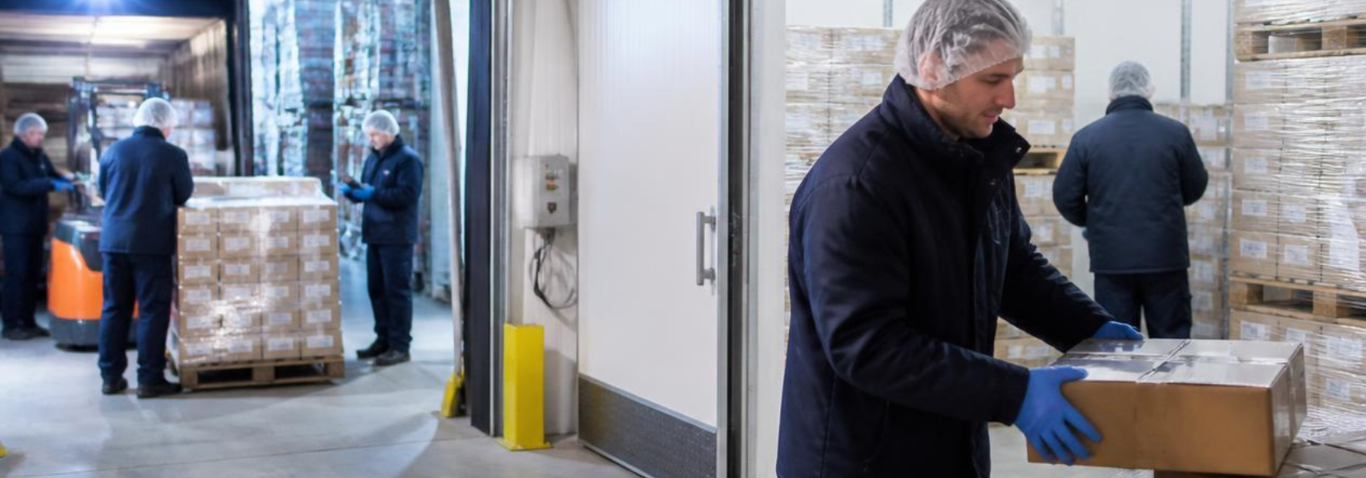
For food manufacturers, cold storage does not always begin with raw materials. Finished products may also need to remain under controlled conditions after production and packaging while they wait for collection or distribution.
This stage can be easy to overlook when planning a manufacturing facility. Production teams may focus on processing capacity, while logistics teams concentrate on dispatch schedules. However, finished products still require sufficient temperature controlled space between these two activities.
A batch may leave production in the morning but not be collected until later in the day. Another shipment may remain in storage overnight because of delivery schedules. During peak periods, several completed batches may also reach the cold room at the same time. This makes finished product storage an important part of the overall cold chain.
For manufacturers, the question is therefore not simply how much finished product needs to be stored. It is how the cold room can support the movement of completed products from production and packing through to dispatch without creating unnecessary delays or temperature exposure.
Finished Products May Need More Storage Time Than Expected
A finished product may be ready for dispatch, but that does not always mean it leaves the facility immediately. Collection schedules can change, delivery routes may be consolidated and customers may have specific receiving windows. During busy periods, products can also remain in storage while other orders are being prepared. This means manufacturers should consider storage duration when determining finished product cold storage requirements.
A facility producing 500 pallets a day does not necessarily need enough cold storage for 500 pallets if products are dispatched continuously throughout the day. Conversely, a manufacturer producing the same volume may require considerably more capacity if products are collected in larger batches at fixed times. The storage requirement therefore depends on how quickly finished products move through the facility.
Manufacturers should review:
- Daily production volume
- Dispatch frequency
- Average holding time
- Peak inventory levels
- Customer collection schedules
- Product temperature requirements
Looking at these factors together provides a more realistic picture of the cold storage capacity required after production.
Packaging Can Influence Cold Room Requirements
Finished products often enter cold storage after packaging, and the packaging process itself can affect how products move into the room. Products may be packed into cartons, cases, trays or pallets depending on the distribution model. The size and weight of these units can influence racking requirements, access routes and the amount of space needed for handling.
For example, products packed into full pallets can generally move directly from the production or packing area into storage. Smaller cartons may require additional handling or staging before they are consolidated for dispatch. The cold room therefore needs to accommodate the actual unit of storage rather than simply the production output.
Packaging can also influence how quickly products can be transferred into refrigeration. If finished goods need to wait in a staging area while packing is completed, that area may need appropriate temperature control depending on the product and process.
Production and Dispatch Do Not Always Follow the Same Schedule
One of the main challenges in finished product storage is that production and dispatch may operate according to different schedules. A production line may run continuously or in large batches, while deliveries may leave at specific times. This can result in finished products accumulating temporarily inside the cold room.
For example, a manufacturer may complete several production batches during the afternoon but have outbound deliveries scheduled for the following morning. The finished goods therefore need to remain in controlled storage overnight. During this period, the cold room is not simply storing inventory. It is acting as a buffer between two operational stages. Planning this buffer correctly can help prevent production from being slowed down simply because there is not enough space for completed products.
Peak Production Can Change Finished Product Capacity
Average production volume should not be the only figure used when planning cold storage. Food manufacturers may experience higher output during festive periods, promotional campaigns or seasonal demand. A production facility may also run additional shifts when large orders need to be completed.
These periods can create a temporary increase in finished goods waiting for dispatch.
|
Planning Factor |
Impact on Finished Product Storage |
|
Production volume |
Determines how quickly products enter storage |
|
Dispatch frequency |
Influences how long products remain inside |
|
Holding time |
Determines the amount of buffer capacity required |
|
Peak production |
Creates temporary increases in inventory |
|
Packaging format |
Influences pallet, rack and access requirements |
|
Delivery schedule |
Determines when storage capacity is released |
A cold room designed around average production may therefore become congested during peak periods. The objective is not necessarily to build enough capacity for the highest possible production level. Instead, manufacturers should understand how often peaks occur and how long additional inventory is likely to remain in storage.
The Cold Room Should Connect Production to Dispatch
Finished product storage works best when the movement from packing to cold storage and then to dispatch is straightforward. If finished goods have to travel through several unrelated areas before reaching the cold room, unnecessary handling can increase. Products may also spend more time outside controlled temperatures during busy production periods. The location of the cold room should therefore be considered alongside the production and dispatch layout.
A practical arrangement may include:
- Finished product leaving the production or packing area
- Controlled transfer into cold storage
- Dedicated storage or staging zones
- Picking and order preparation
- Dispatch staging
- Loading and collection
The exact arrangement will depend on the facility, but the objective remains the same: reduce unnecessary movement while keeping products within the required conditions.
Staging Space Is Different From Permanent Storage
Finished products waiting for dispatch do not always need to occupy the same type of space as products being held for longer periods. Some inventory may be scheduled for collection within hours, while other products may remain in storage for several days. Treating all finished goods in exactly the same way can reduce flexibility.
A dedicated staging area can help separate products that are ready to leave from inventory that still needs to remain in storage. This can make picking easier and reduce the amount of time staff spend searching for orders. It can also prevent products scheduled for immediate dispatch from being mixed with inventory that is not yet ready to leave. Where products require continuous temperature control, staging may also need to remain within a suitable refrigerated environment.
Temperature Stability Still Matters During Dispatch
The cold room may maintain the required temperature while products are stored, but temperature exposure can occur during movement towards dispatch. Frequent door openings, prolonged loading activities and products waiting outside the cold room can all affect temperature control. This is particularly important when several outbound orders are prepared at the same time.
The cold room design should therefore consider door location, access frequency and the distance between storage and loading areas. Where traffic is high, the refrigeration system needs to be capable of handling the additional heat gain created by repeated access. Door arrangements should also support efficient product movement without requiring staff to leave cold room doors open for extended periods.
Designing a Cold Room Around Finished Product Requirements
Finished product storage should be considered during the initial cold room planning process rather than added as an afterthought. The required room size, temperature range, access arrangements, racking and refrigeration capacity all depend on how finished products move through the manufacturing facility.
Kiat Lay provides Custom Cold Room solutions for businesses that need refrigerated storage developed around their specific inventory, traffic and accessibility requirements. For food manufacturers, this allows the cold room to be planned around production output, finished product storage and dispatch requirements rather than using a standard configuration.
For facilities requiring larger dedicated storage areas, Walk In Cold Rooms can provide the space needed for palletised or high volume temperature controlled inventory. This approach allows manufacturers to consider the entire movement of finished products before finalising the cold room design.
Reviewing Existing Finished Product Storage
Existing facilities can also benefit from reviewing how finished products are handled after production. Signs that the current arrangement may no longer be suitable can include:
- Finished products regularly waiting outside the cold room
- Congestion during peak production periods
- Difficulty finding space for completed batches
- Frequent product movement between storage areas
- Long picking routes before dispatch
- Increasing pressure on cold room capacity
These issues do not automatically mean that a completely new facility is required. A review may identify opportunities to improve storage configuration, staging arrangements or product flow. If additional refrigerated space is required, a custom solution can then be developed around the actual operational gap.
Conclusion
Finished product staging is an important part of cold storage planning for food manufacturers. Products may remain in the facility for hours or days after production, making the cold room an important link between manufacturing, packaging and dispatch.
The right solution depends on production volume, dispatch schedules, holding time, packaging format, peak demand and product temperature requirements. Planning these factors together can help manufacturers reduce unnecessary handling while making better use of refrigerated storage capacity.
Contact Kiat Lay to discuss your food manufacturing cold storage requirements or request a consultation for a solution planned around your production, finished goods and dispatch workflow.