


Preparing Hotel Cold Rooms for Peak Occupancy Periods
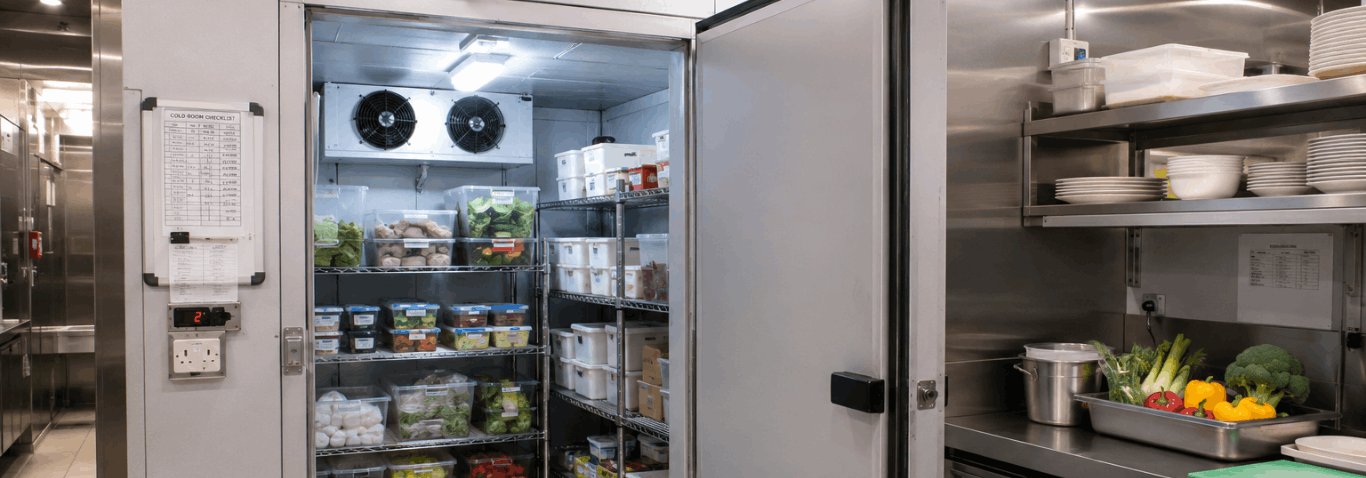
Hotels often experience predictable periods of increased demand. School holidays, festive celebrations, major conferences and tourist seasons can all result in significantly higher occupancy rates. While these periods create valuable business opportunities, they also place additional pressure on food and beverage operations.
Restaurants serve more guests, banquet facilities host larger events, room service receives more orders and kitchens handle greater volumes of ingredients throughout the day. Behind these operations, the hotel cold room plays a vital role in ensuring food remains properly stored and readily available whenever it is needed.
Preparing a hotel cold room before occupancy levels increase allows hotels to manage higher inventory volumes more efficiently while reducing the risk of operational disruptions during busy periods.
Why Peak Occupancy Creates Additional Demands on Hotel Cold Rooms
As guest numbers increase, so does the demand for food storage. Hotels often receive more frequent deliveries to replenish fresh ingredients, beverages and frozen products. At the same time, kitchen staff access refrigerated storage more regularly to support breakfast service, restaurants, cafés, banquets and room service.
These changes can affect daily operations in several ways:
- Higher inventory levels require better storage organisation.
- Cold room doors are opened more frequently throughout the day.
- Products move in and out of storage at a faster rate.
- Multiple kitchen teams may access the same cold room simultaneously.
Without proper planning, these additional demands can reduce operational efficiency and make inventory management more challenging during the busiest periods.
Rather than reacting once occupancy increases, hotels benefit from preparing their cold rooms well in advance.
Start Planning Before Peak Season Begins
Preparing a hotel cold room should begin several weeks before occupancy is expected to increase.
Early planning gives facility managers and kitchen teams sufficient time to identify maintenance issues, review storage capacity and make operational improvements before higher workloads begin.
Some practical preparation activities include:
- Inspecting refrigeration equipment.
- Verifying operating temperatures.
- Cleaning shelving and storage areas.
- Reviewing lighting and door seals.
- Confirming temperature monitoring systems are functioning correctly.
Completing these checks early allows any necessary repairs or servicing to be scheduled without disrupting hotel operations during peak periods. Routine inspections also provide greater confidence that refrigeration equipment will continue operating reliably when demand is at its highest.
Review Storage Capacity Before Deliveries Increase
Peak occupancy often requires hotels to increase inventory levels to support higher food production.
Rather than simply filling every available space inside the cold room, businesses should evaluate whether the existing storage layout remains practical as inventory volumes grow.
Questions worth considering include:
|
Planning Consideration |
Why It Matters |
|
Available storage capacity |
Prevents overcrowding during busy periods |
|
Product zoning |
Makes ingredients easier to locate |
|
Shelving condition |
Supports safe and organised storage |
|
Temperature monitoring |
Maintains consistent storage conditions |
|
Stock rotation procedures |
Reduces unnecessary food waste |
Reviewing these areas before additional deliveries arrive helps kitchen teams maintain efficient operations throughout busy service periods.
Organise Products for Faster Access
During peak occupancy, kitchen staff have limited time to search for ingredients. A well organised cold room allows products to be located quickly, reducing unnecessary movement while supporting faster food preparation.
Grouping similar products together is one practical way to improve efficiency. For example, fresh produce, dairy products, seafood, meat and beverages can each be assigned designated storage areas. Frequently used ingredients should remain easily accessible, while products used less often can be stored further inside the cold room.
Hotels with multiple food and beverage outlets may also consider allocating storage areas based on operational requirements. Ingredients used by banquet kitchens, restaurants and room service can be organised separately where appropriate to minimise congestion during busy periods. Clear organisation not only improves workflow but also makes stock replenishment easier throughout the day.
Maintain Good Stock Rotation Practices
Managing larger inventory volumes during peak occupancy increases the importance of proper stock rotation.
Without a clear system, ingredients delivered earlier may remain in storage while newer deliveries are placed in front. Over time, this can increase food waste and affect inventory accuracy. Hotels should establish clear procedures for receiving, storing and issuing products. Kitchen teams should also review stock regularly to ensure ingredients are used within their intended storage period.
Clear product labels, designated storage zones and consistent inventory checks make it easier for staff to locate items quickly while maintaining organised storage throughout busy service periods.
Although stock rotation is a routine process, it becomes significantly more important when delivery frequency and food production increase.
Do Not Wait Until Equipment Fails
One of the most common mistakes hotels make is delaying maintenance until refrigeration equipment begins showing signs of failure. Unexpected downtime during peak occupancy can disrupt food preparation, delay restaurant service and create unnecessary operational challenges. In some cases, product losses may also occur if temperatures cannot be maintained. Scheduling preventive maintenance before busy periods allows potential issues to be identified early.
Facility managers should consider inspecting:
- Refrigeration system performance.
- Door seals and hinges.
- Evaporator and condenser cleanliness.
- Temperature monitoring devices.
- Interior lighting.
- Drainage systems.
Addressing small issues before they become larger problems reduces the likelihood of unexpected interruptions when occupancy is at its highest.
Hotels that treat preventive maintenance as part of their seasonal preparation are generally better positioned to maintain consistent food and beverage operations throughout peak periods.
Improve Coordination Between Departments
Preparing a hotel cold room is not solely the responsibility of the engineering team. Kitchen managers, purchasing departments, food and beverage supervisors and facility managers all play a role in ensuring refrigerated storage operates efficiently during busy periods.
For example, purchasing teams should coordinate delivery schedules to avoid unnecessary congestion around receiving areas. Kitchen managers can review menu planning and ingredient requirements to estimate storage needs more accurately. Facility managers can ensure refrigeration systems are inspected and operating within the required temperature range before demand increases.
When these departments work together, hotels are better prepared to manage higher occupancy without placing unnecessary pressure on refrigerated storage.
Consider Whether Your Existing Cold Room Still Meets Operational Needs
As hotels expand their food and beverage offerings, existing cold room facilities may no longer provide sufficient storage capacity or an efficient layout. Additional restaurants, larger banquet operations and increased room service demand can all change the way refrigerated storage is used.
If staff regularly experience overcrowded storage areas, difficulty locating products or limited space during peak periods, it may be time to review whether the current cold room continues to meet operational requirements.
Rather than making temporary adjustments each busy season, evaluating the overall design may provide a more practical long term solution.
Businesses considering a cold room upgrade may also find it useful to learn more about designing refrigerated storage for sustainable food and beverage operations.
Work with an Experienced Cold Room Specialist
Every hotel operates differently. A boutique hotel with a single restaurant has different storage requirements from a large integrated resort managing multiple kitchens, banquet facilities and bars.
For this reason, cold room planning should always reflect the hotel’s daily operations rather than relying on a standard design.
Working with an experienced cold room specialist allows hotels to assess storage capacity, workflow, refrigeration requirements and future expansion plans before beginning a new project or refurbishment. If you are planning to build, upgrade or maintain a hotel cold room, consult an experienced specialist to develop a solution that matches your operational requirements and supports reliable food and beverage operations throughout the year.
Conclusion
Preparing a hotel cold room before peak occupancy is an important part of maintaining efficient food and beverage operations. Reviewing storage capacity, organising inventory, carrying out preventive maintenance and coordinating operational planning all contribute to smoother kitchen operations during periods of increased demand.
Hotels that prepare early are better equipped to manage larger inventory volumes while maintaining consistent service standards for guests. If you are planning to upgrade an existing hotel cold room or develop a new refrigerated storage solution, contact Kiat Lay or request a consultant to discuss a solution tailored to your hotel’s operational requirements.