


What Should Be Included in a Commercial Cold Room Maintenance Inspection?
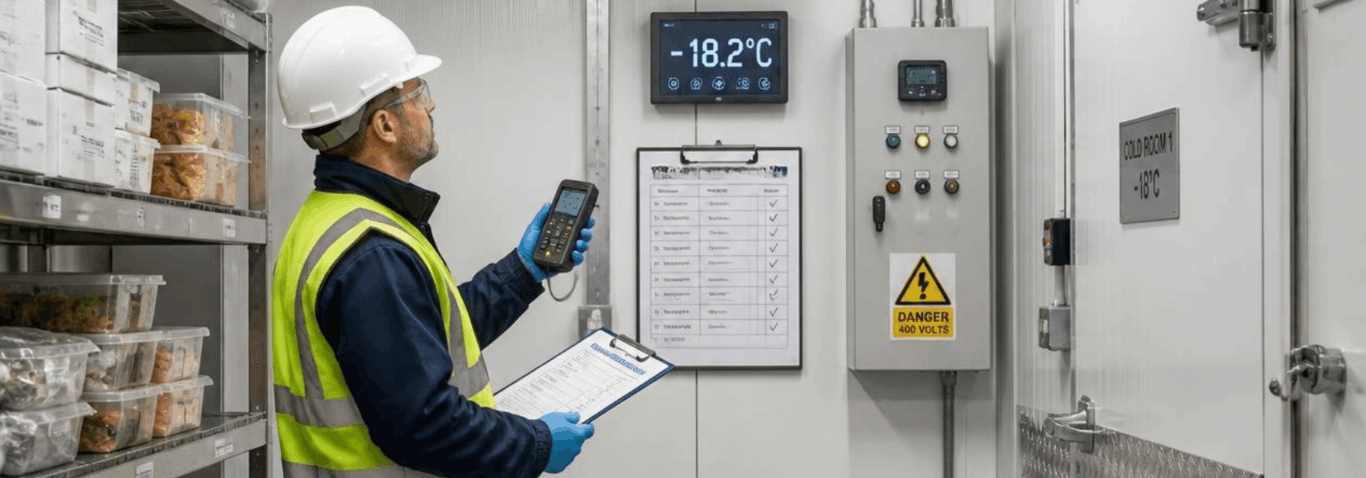
Commercial cold rooms play an important role in protecting temperature sensitive products across industries such as food manufacturing, hospitality, logistics and pharmaceuticals. While refrigeration equipment is designed to operate continuously, its performance can gradually decline if routine maintenance is overlooked.
Many businesses only arrange servicing after they notice temperature fluctuations or equipment problems. By that stage, the issue may already have affected daily operations or resulted in unexpected repair costs.
A structured commercial cold room maintenance inspection allows businesses to identify potential issues before they develop into major problems. Regular inspections also provide an opportunity to review equipment performance, improve operational reliability and reduce the likelihood of unplanned downtime.
Why Routine Maintenance Inspections Matter
Cold rooms operate continuously, often twenty four hours a day. Components such as compressors, evaporators, condensers and door seals are subjected to constant use, particularly in facilities with frequent product movement.
Without regular inspections, minor wear and tear may go unnoticed until equipment performance begins to decline.
Routine maintenance inspections provide several operational benefits, including:
- Reducing the risk of unexpected equipment failures.
- Maintaining consistent refrigeration performance.
- Improving energy efficiency.
- Extending the service life of refrigeration equipment.
- Supporting uninterrupted business operations.
Rather than waiting for equipment to fail, businesses can schedule inspections at regular intervals to maintain reliable performance throughout the year.
Refrigeration System Performance
One of the first priorities during a maintenance inspection is assessing the overall performance of the refrigeration system. Technicians typically review whether major components are operating as expected and whether the system is maintaining stable cooling performance.
The inspection may include:
- Compressor operation.
- Evaporator condition.
- Condenser performance.
- Refrigerant line inspection.
- General system performance.
The objective is not only to identify existing faults but also to detect early signs of wear that may require attention before they affect daily operations.
Door Seals and Cold Room Doors
Cold room doors are opened repeatedly throughout the day. Over time, door seals may wear, become damaged or lose their effectiveness. Even small gaps around the door can allow warm air to enter the cold room, making refrigeration equipment work harder to maintain the required storage conditions.
During a maintenance inspection, technicians typically examine:
|
Inspection Item |
Why It Matters |
|
Door seals |
Maintain efficient temperature control |
|
Door alignment |
Ensure proper closing |
|
Hinges and hardware |
Support smooth daily operation |
|
Door closers |
Reduce unnecessary temperature loss |
|
Door surface |
Identify visible damage |
Inspecting these components regularly can improve refrigeration efficiency while reducing unnecessary strain on the system.
Evaporator and Condenser Cleaning
Dust, grease and debris can gradually accumulate on refrigeration components, particularly condensers located in plant rooms or external service areas. If these components are not cleaned regularly, heat transfer efficiency may decline, causing refrigeration equipment to work harder than necessary.
Routine cleaning allows the system to operate more efficiently while helping maintain consistent cooling performance. Cleaning schedules vary depending on the operating environment, but regular inspections help determine when servicing is required.
Temperature Monitoring Systems
Reliable temperature monitoring is an essential part of any commercial cold room maintenance programme.
During an inspection, technicians should verify that monitoring devices are functioning correctly and that temperature readings remain consistent. Any unusual fluctuations should be investigated promptly to determine whether they are caused by equipment performance, sensor issues or other operational factors. It is also a good opportunity to review alarm systems and notification settings to ensure they continue operating as intended. Early detection of temperature changes allows businesses to respond quickly before products are affected.
Electrical Components
Cold room performance depends on more than refrigeration equipment alone. Electrical components should also be inspected regularly to maintain safe and reliable operation.
A maintenance inspection may include checking:
- Electrical wiring
- Control panels
- Switches and connections
- Interior lighting
- Safety devices
These inspections help identify loose connections, signs of wear or other issues that may affect equipment performance over time. Addressing minor electrical issues early is often far less disruptive than dealing with unexpected equipment failures during normal business operations.
Drainage and Housekeeping
Drainage systems are often overlooked during routine maintenance, yet they play an important role in keeping a cold room clean and operating efficiently.
Blocked drains can result in water accumulation, which may create hygiene concerns or affect day to day operations. During an inspection, technicians should check that drainage systems remain clear and that water flows away properly. General housekeeping should also form part of every maintenance inspection.
Items worth reviewing include:
|
Inspection Area |
Why It Matters |
|
Drainage system |
Prevents water accumulation |
|
Floor condition |
Supports safe working conditions |
|
Shelving |
Maintains organised storage |
|
Interior surfaces |
Makes cleaning easier |
|
Lighting |
Improves visibility during daily operations |
A clean and well organised cold room makes routine inspections easier while creating a better working environment for employees.
Keep Accurate Maintenance Records
Every maintenance inspection should be properly documented. Keeping detailed service records allows businesses to monitor equipment performance over time and identify recurring issues before they become more serious.
Maintenance records may include:
- Inspection dates
- Components inspected
- Servicing carried out
- Parts replaced
- Recommendations for future maintenance.
These records also make it easier to plan future servicing schedules and provide useful information when evaluating the overall condition of refrigeration equipment.
Rather than relying on memory or informal notes, maintaining organised documentation creates a more structured maintenance programme.
How Often Should a Commercial Cold Room Be Inspected?
The frequency of maintenance inspections depends on several factors, including how the cold room is used, the operating environment and the level of daily activity.
Facilities that experience frequent deliveries, continuous product movement or extended operating hours may benefit from more regular inspections than facilities with lower usage. Instead of waiting for equipment problems to appear, businesses should establish a preventive maintenance schedule based on their operational requirements.
Routine inspections not only reduce the likelihood of unexpected breakdowns but also allow maintenance work to be planned at convenient times, minimising disruption to daily operations. Businesses looking to strengthen their maintenance strategy may also find it useful to learn more about common signs that indicate a commercial cold room requires immediate attention.
Work with an Experienced Cold Room Maintenance Partner
Preventive maintenance is most effective when inspections are carried out consistently and by experienced professionals who understand commercial refrigeration systems. An experienced maintenance partner can identify early signs of wear, recommend practical solutions and develop a servicing schedule that reflects how the facility operates. This proactive approach allows businesses to maintain reliable refrigeration performance while reducing the likelihood of costly emergency repairs.
If you are looking to improve the reliability of your commercial cold room, schedule a preventive maintenance inspection with an experienced cold room specialist. Regular servicing can help maintain consistent performance while reducing the risk of unexpected downtime.
Conclusion
A commercial cold room maintenance inspection involves much more than checking whether refrigeration equipment is still operating. It provides an opportunity to assess system performance, inspect critical components and identify potential issues before they affect daily operations. By carrying out routine inspections, maintaining accurate service records and addressing minor issues early, businesses can improve equipment reliability, extend the lifespan of their cold room and reduce the risk of costly operational disruptions.
If your business relies on refrigerated storage, contact Kiat Lay or request a consultant to discuss a preventive maintenance programme tailored to your operational requirements.