


Walk-In Chiller Planning for High-Turnover Restaurant Operations
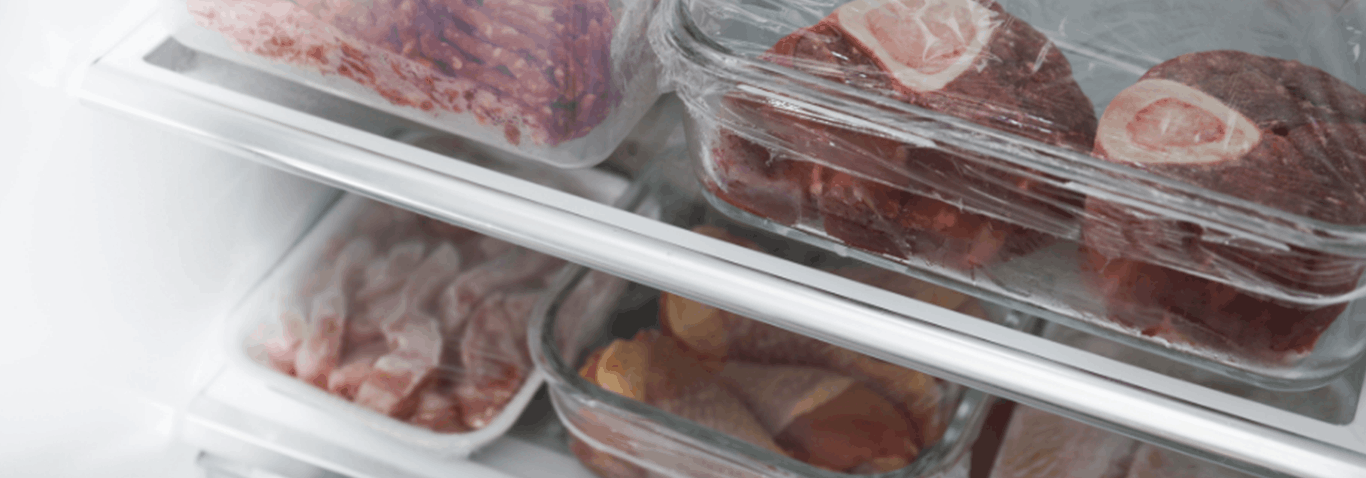
In a busy restaurant, whether it is a city hotspot, hotel dining outlet, or fine dining concept, walk-in chillers play a central role in both storage and daily kitchen operations. For high-turnover environments, chiller design needs to do more than maintain temperature. It must support constant restocking, recover quickly during peak service, and help reduce food waste through practical planning.
A well-designed walk-in chiller improves kitchen workflow, keeps ingredients in better condition, and supports food safety standards. This article looks at how restaurants can plan chiller systems that handle demand surges, maintain stable temperatures, and minimise spoilage, supported by real examples.
Supporting Frequent Restocking and Peak Dining Hours
High-turnover kitchens deal with constant deliveries and fast-paced service. Walk-in chillers must handle frequent access without compromising internal conditions.
1. Chiller Location and Kitchen Workflow
The placement of a walk-in chiller directly affects efficiency. Good planning includes:
- Close proximity to receiving areas to reduce the distance for incoming goods
- Clear pathways so deliveries do not disrupt kitchen movement during service
- Door orientation that limits unnecessary exposure to warmer air
For example, a popular brunch restaurant in Kuala Lumpur repositioned its walk-in chiller between the receiving area and prep stations. This reduced delivery handling time by 20 percent and improved kitchen readiness for peak hours.
2. Staging Areas for Frequent Restocks
Including a staging area just inside the chiller helps manage incoming goods before they are fully stored. This approach:
- Keeps product flow organised
- Reduces how long doors stay open
- Protects stable storage zones
In a hotel F&B operation serving multiple outlets, a staging zone near the entrance allowed faster sorting of deliveries. Door-open time dropped by around 40 seconds per delivery, which made a noticeable difference across daily operations.
3. Scalable Storage Solutions
Restaurants often see shifts in demand due to seasons, promotions, or menu changes. Flexible shelving systems make it easier to adapt:
- Adjustable racks for different storage needs
- Mobile shelving for reconfiguration without downtime
A high-volume seafood restaurant adjusted its layout to prioritise shellfish during peak seasons and switched back to general storage when needed, all without major changes to the space.
Temperature Recovery Strategies for Walk-In Chillers
Maintaining stable temperatures is a challenge when doors are opened frequently. A well-planned chiller reduces temperature spikes and restores conditions quickly.
1. Door Design and Insulation
Door systems play a key role in temperature control:
- Strip curtains or air curtains reduce heat entering the space
- Well-insulated doors with proper seals prevent cold air loss
- Rapid-closing doors limit exposure time
Restaurants with heavy usage often install strip curtains behind the main door to reduce airflow exchange with the kitchen.
2. Zoned Airflow and Circulation
Airflow design ensures even cooling and faster recovery:
- Evaporators positioned for balanced air distribution
- Air deflectors directing airflow into shelving aisles
- Fans configured to eliminate warm spots
At a banquet venue, adding air deflectors improved recovery time by nearly 25 percent during busy preparation periods.
3. Sensor-Driven Monitoring and Response
Modern systems use sensors to track and respond to temperature changes:
- Real-time monitoring
- Alerts when temperatures exceed limits
- Automated adjustments to cooling output
A restaurant chain introduced cloud-based monitoring across all outlets. Staff received immediate alerts when doors were left open, allowing quick action and preventing prolonged temperature issues.
Reducing Food Spoilage Through Better Cold Room Design
Food waste is a significant cost for restaurants. Consistent chiller performance helps extend the life of ingredients and reduce losses.
1. Temperature Uniformity Across Storage Zones
Temperature differences can occur due to layout and airflow:
- Areas near fans may be colder
- Zones near doors may be warmer
- Higher shelves may not cool as evenly
Thermal mapping during setup helps identify and correct these issues.
A banquet kitchen identified a warmer zone near the entrance and adjusted airflow and shelving placement. This improved consistency and reduced spoilage of sensitive ingredients.
2. Organised Storage and Inventory Practices
Clear organisation supports both efficiency and food safety:
- FIFO systems ensure older stock is used first
- Clear labelling improves visibility of expiry dates
- Separate zones for sensitive items such as dairy or herbs
A fine dining restaurant reduced daily prep waste by 18 percent after reorganising its chiller with clearly defined zones.
3. Maintenance and Calibration
Regular upkeep is essential for reliable performance:
- Cleaning coils improves cooling efficiency
- Sealed gaskets prevent air leaks
- Calibration ensures accurate temperature readings
In a hotel kitchen, routine maintenance prevented a drop in compressor performance that could have led to spoilage during a busy holiday period.
Case Studies: Walk-In Chiller Design in High-Turnover Kitchens
Case Study 1: City Centre Bistro with Frequent Deliveries
A busy urban bistro located in a central business district relied on frequent fresh deliveries to maintain its seasonal menu. By incorporating a strategically placed walk-in chiller with internal staging and door curtains, the restaurant reduced the impact of frequent door use on internal temperature. Results included:
Faster temperature recovery between deliveries
Fewer inventory losses due to spoilage
Quicker restocking during peak lunch hours
Case Study 2: Banquet Venue with Seasonal Peaks
A banquet venue that hosted multiple weddings and corporate events each month faced intense chiller usage during peak service times. By implementing zoned airflow with auxiliary fans and automated temperature controls, the kitchen achieved:
More consistent cooling during peak access
Reduced recovery time after large door openings
Better preservation of staged prepped items
The result was smoother service execution without compromising chilled food quality.
Case Study 3: Hotel Restaurant Chain with Smart Monitoring
An upscale hotel restaurant chain installed smart sensors in each property’s walk-in chillers. With real-time monitoring and alerts, kitchen managers could ensure temperature compliance across shifts and rapidly respond to performance dips.
Benefits included:
- Reduction in emergency chiller failures
- Enhanced food safety documentation
- Lower long-term food waste
Conclusion
Planning walk-in chillers for high-turnover restaurant operations is a practical investment that improves efficiency, food safety, and cost control. Supporting frequent restocking, maintaining stable temperatures, and reducing spoilage all contribute to smoother kitchen operations.
From layout planning to airflow design and monitoring systems, the right approach allows kitchens to perform consistently even during peak service periods. A well-designed walk-in chiller becomes a reliable part of daily operations rather than just a storage space.
Kiat Lay provides walk-in chiller solutions tailored for commercial kitchens, helping restaurants maintain performance, reduce waste, and meet operational demands. Speak to Kiat Lay to plan a system that fits your kitchen workflow and service demands.