


Why Raw Material Receiving Should Influence Cold Room Planning in Food Manufacturing
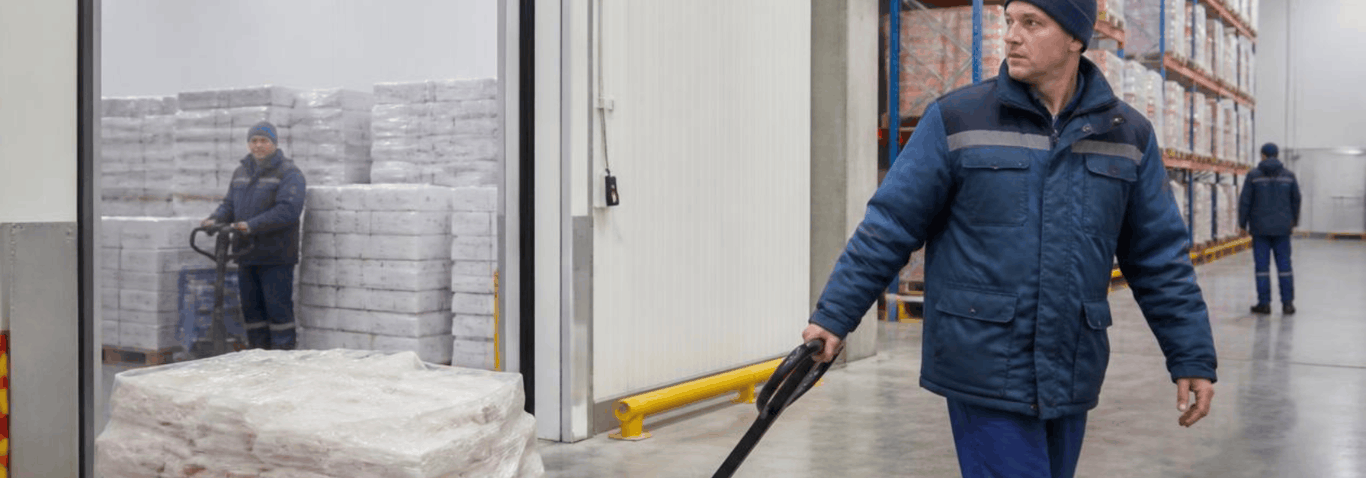
Food manufacturers often think about cold storage in terms of how much raw material the facility needs to hold. However, what happens immediately before products enter the cold room can be just as important.
Raw materials arrive in batches, need to be checked and moved into the correct storage conditions, and may arrive at different times from different suppliers. If receiving activities are not considered when planning the cold room, production teams can face delays even when there appears to be enough storage capacity.
Incoming materials may wait longer than expected before being stored, staff may need to move products more than once, and receiving areas can become congested during busy delivery periods.
For food manufacturing facilities, cold room planning should therefore consider the relationship between receiving, storage and production. The objective is not simply to create more refrigerated space, but to make sure raw materials can move from delivery to temperature controlled storage and then into production with minimal unnecessary handling.
Receiving Conditions Can Affect Cold Room Planning
Raw materials do not always arrive in the same quantity or at the same frequency. A manufacturer may receive several large deliveries on one day and much smaller deliveries on another. Seasonal production can also change the volume and type of ingredients entering the facility.
These patterns should be considered when determining the size and layout of the cold room. For facilities handling raw proteins such as meat and seafood, freezer room construction for meat and seafood plants also needs to consider the relationship between receiving, processing, storage and dispatch. A facility that stores large quantities of meat, seafood or dairy products, for example, may need enough space to receive and put away substantial volumes without blocking access to existing inventory. The storage requirement may be based on pallet positions, but the receiving requirement is based on how quickly those pallets need to move through the facility. This distinction is important because receiving can create temporary pressure on the cold room even when average inventory levels remain stable.
Raw Materials Need a Clear Path Into Refrigerated Storage
Once a temperature sensitive delivery arrives, unnecessary delays between unloading and cold storage should be avoided. The longer products remain outside their required conditions, the more difficult it becomes to maintain a consistent handling process.
The route from receiving to the cold room should therefore be considered as part of the overall facility layout. Door positions, access routes and the distance between unloading points and refrigerated storage can all influence how efficiently products are transferred.
For example, if incoming pallets have to travel through a busy production area before reaching the cold room, the movement of raw materials may interfere with other activities. A more direct route can reduce handling and make it easier for teams to manage deliveries during peak periods.
The cold room itself should also provide sufficient access for the equipment used to move incoming products. Forklifts, pallet trucks and other material handling equipment need appropriate clearance to enter, turn and position goods safely.
Storage Capacity Should Match Production Deman
The amount of raw material a manufacturer needs to store depends partly on its production schedule. Some businesses may receive ingredients frequently and keep relatively small quantities on site, while others may purchase in bulk and hold larger stocks before production. This affects both the required storage capacity and the way inventory should be organised.
If raw materials are held for several days or weeks, the cold room may need enough capacity to accommodate stock that is waiting for production. If materials move quickly into processing, access and replenishment may be more important than maximum storage density.
Capacity planning should therefore consider:
- Expected raw material volumes
- Delivery frequency
- Storage duration
- Production demand
- Product turnover
- Required temperature conditions
This gives the manufacturer a clearer picture of how the cold room will actually be used rather than sizing it only around a maximum inventory figure.
Different Raw Materials May Require Different Storage Conditions
Food manufacturing facilities can handle a wide range of raw materials, and not every product necessarily requires the same storage conditions. Meat, seafood, dairy products, fresh produce and frozen ingredients may require different temperatures or storage arrangements. Some materials may also require greater accessibility because they are used more frequently in production.
Where different temperature conditions are required, separate cold room zones can help manufacturers organise inventory according to product requirements. This can also make it easier for staff to identify where materials should be stored after receiving.
The important consideration is not simply the number of temperature zones. The size, access and expected inventory volume of each zone should reflect the manufacturing process. A zone that is frequently replenished may need easier access than an area used for longer term storage. Planning these differences early can help prevent unnecessary movement between storage areas.
Receiving and Production Should Work Together
Raw material receiving does not operate independently from production. The timing of deliveries can affect when ingredients become available for processing, while production schedules determine which materials need to be accessible at different times.
For this reason, the cold room should support a logical movement from receiving to storage and then towards the relevant production area. If frequently used ingredients are stored at the back of a large cold room, staff may need to move other pallets before reaching them. This can create additional handling and slow down production preparation.
A layout that considers product turnover can make frequently used materials easier to access without sacrificing the overall storage function of the room. This is particularly useful for manufacturers operating multiple production lines, where different ingredients may be required at different times throughout the day.
Door Access Can Influence Temperature Stability
Frequent movement between the receiving area and cold room can increase door opening activity. Each opening allows warmer air to enter the refrigerated space, increasing the work required from the refrigeration system to restore the required internal temperature.
This does not mean that every receiving operation requires a separate cold room entrance. Instead, the frequency and pattern of movement should be considered when determining door location and access arrangements.
High traffic cold rooms may require a layout and refrigeration system designed around more frequent access. Kiat Lay’s cold room planning guidance also highlights inventory and traffic in and out of the room as factors that should be considered when developing the dimensions and cooling system. For food manufacturers, this is another reason to consider receiving activity before finalising the cold room design.
Planning for Peak Receiving Periods
A cold room may operate comfortably during normal production but face pressure when several raw material deliveries arrive close together. Peak receiving periods can occur before large production runs, seasonal demand or scheduled manufacturing campaigns. If incoming products are all expected to enter storage within a short period, the facility needs enough space and access to handle the temporary increase.
One practical approach is to review delivery schedules alongside production plans. This can identify periods when receiving volumes are likely to increase and whether the cold room has sufficient flexibility.
It can also highlight opportunities to improve coordination with suppliers. Where delivery timing can be managed, spreading large inbound volumes across suitable periods may reduce congestion and make better use of available storage.
Designing Cold Storage Around the Manufacturing Process
The cold room should ultimately support the way the food manufacturing facility operates. Storage capacity, temperature requirements, access, racking and product movement should be considered together rather than as separate decisions.
Kiat Lay provides Custom Cold Room solutions for businesses that need refrigerated storage adapted to their operational requirements. Its custom cold room service covers consultation, planning, installation and testing, while racking and other supporting works can also be incorporated into the project. For food manufacturers reviewing a new facility or upgrading existing storage, this approach can help connect raw material receiving with the wider production workflow.
Conclusion
Raw material receiving is an important part of cold room planning for food manufacturing facilities. Delivery volumes, receiving frequency, storage duration and production requirements can all influence how refrigerated storage should be sized and arranged.
A cold room that provides sufficient pallet capacity may still create operational problems if incoming materials have no efficient route into storage or if access arrangements do not support the frequency of deliveries. Planning the relationship between receiving, storage and production can reduce unnecessary handling while helping maintain reliable temperature controlled storage.
Kiat Lay coldroom specialist provides cold room solutions for food manufacturing businesses, including Custom Cold Room systems designed around specific storage and operational requirements. Contact Kiat Lay to discuss your food manufacturing cold room requirements or request a consultation for a solution planned around your receiving process, storage needs and production workflow.